Biography
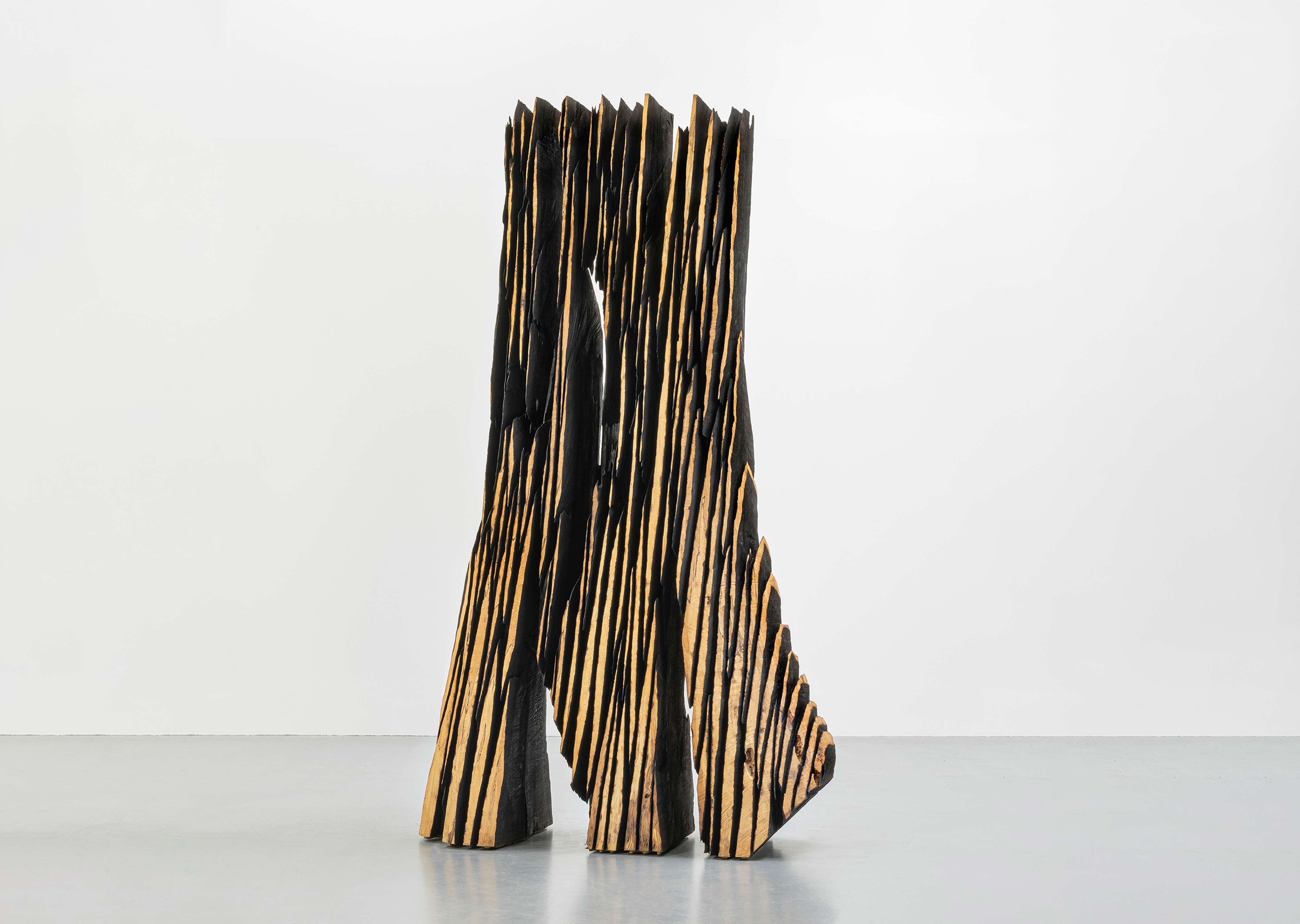
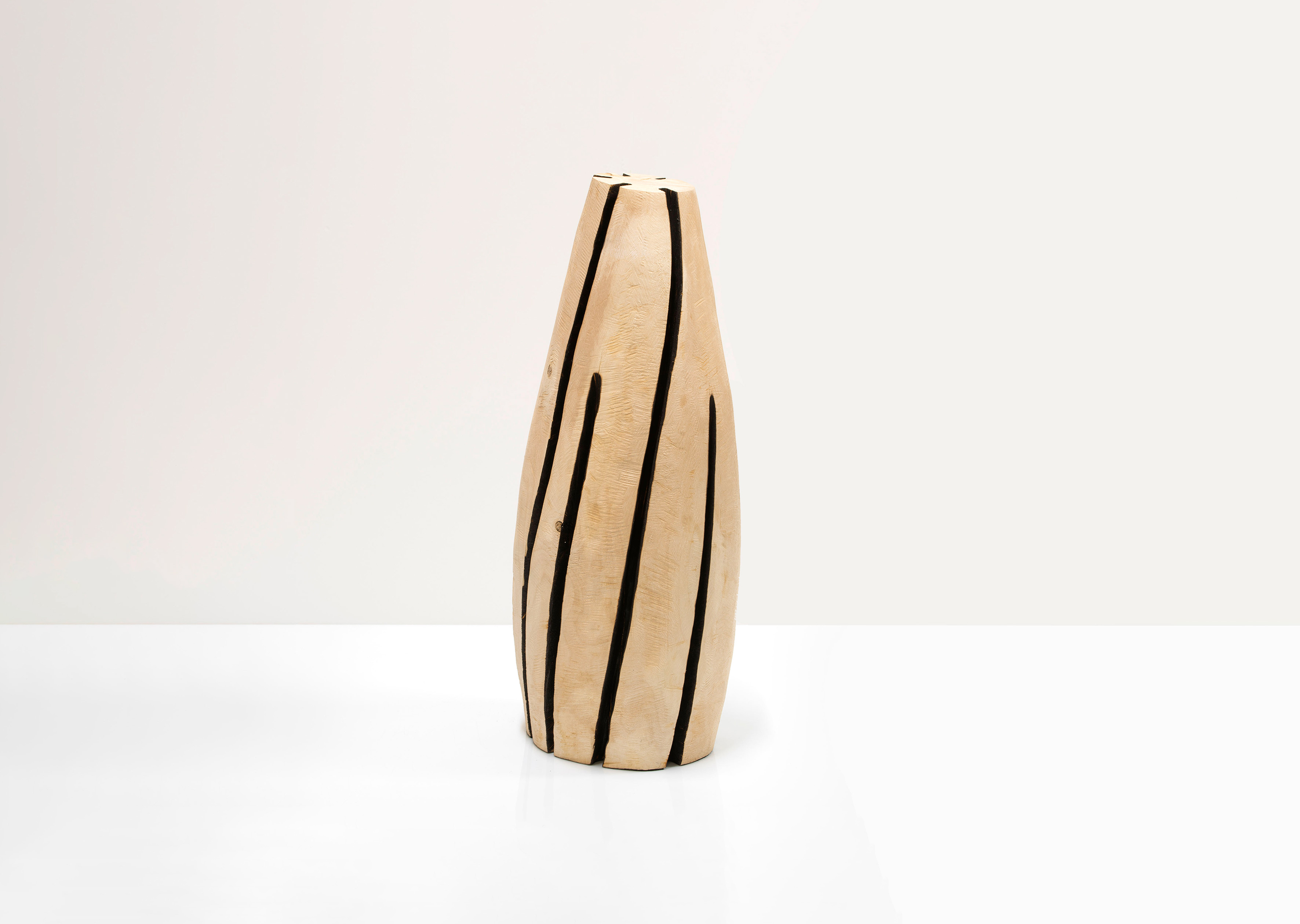
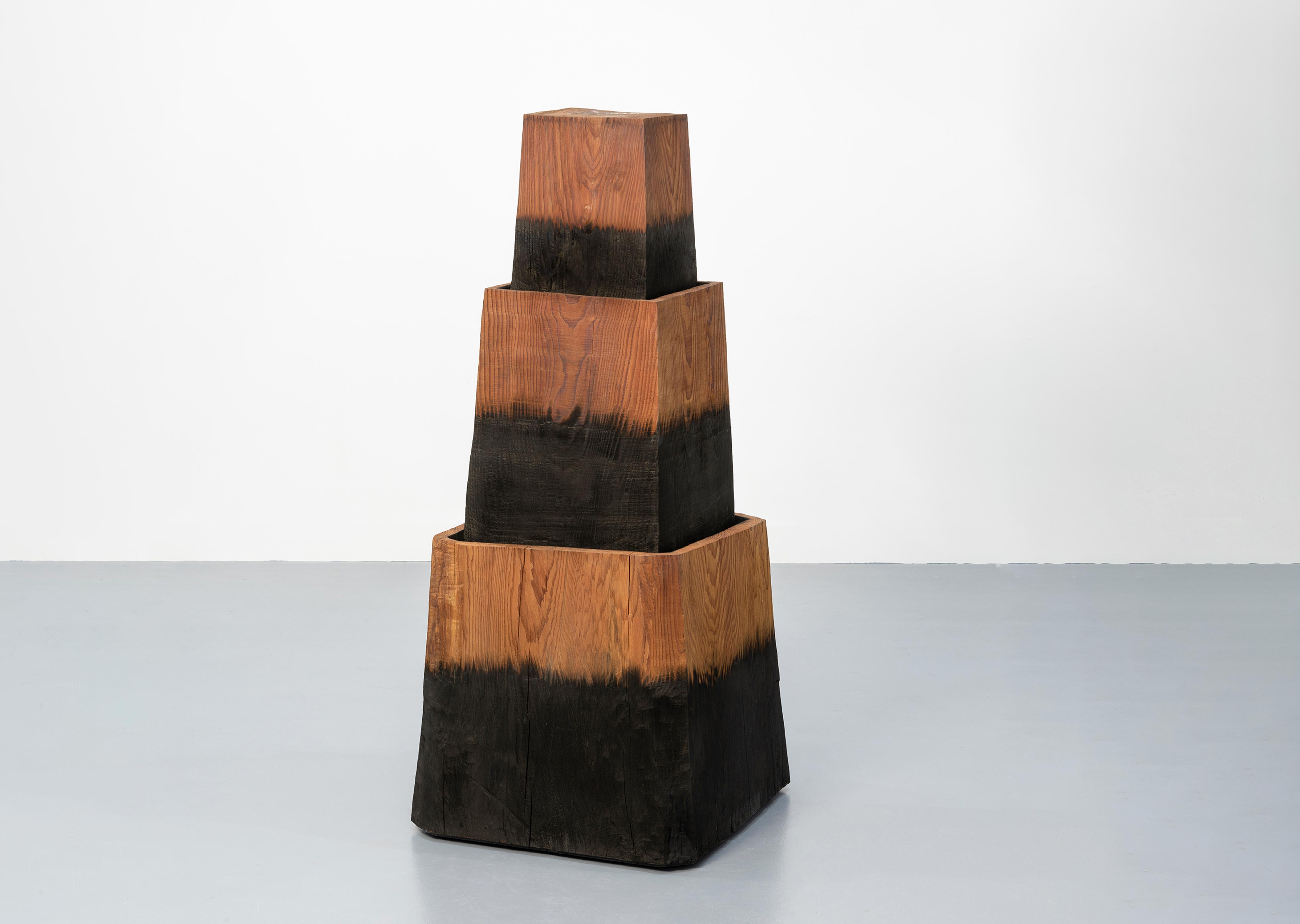
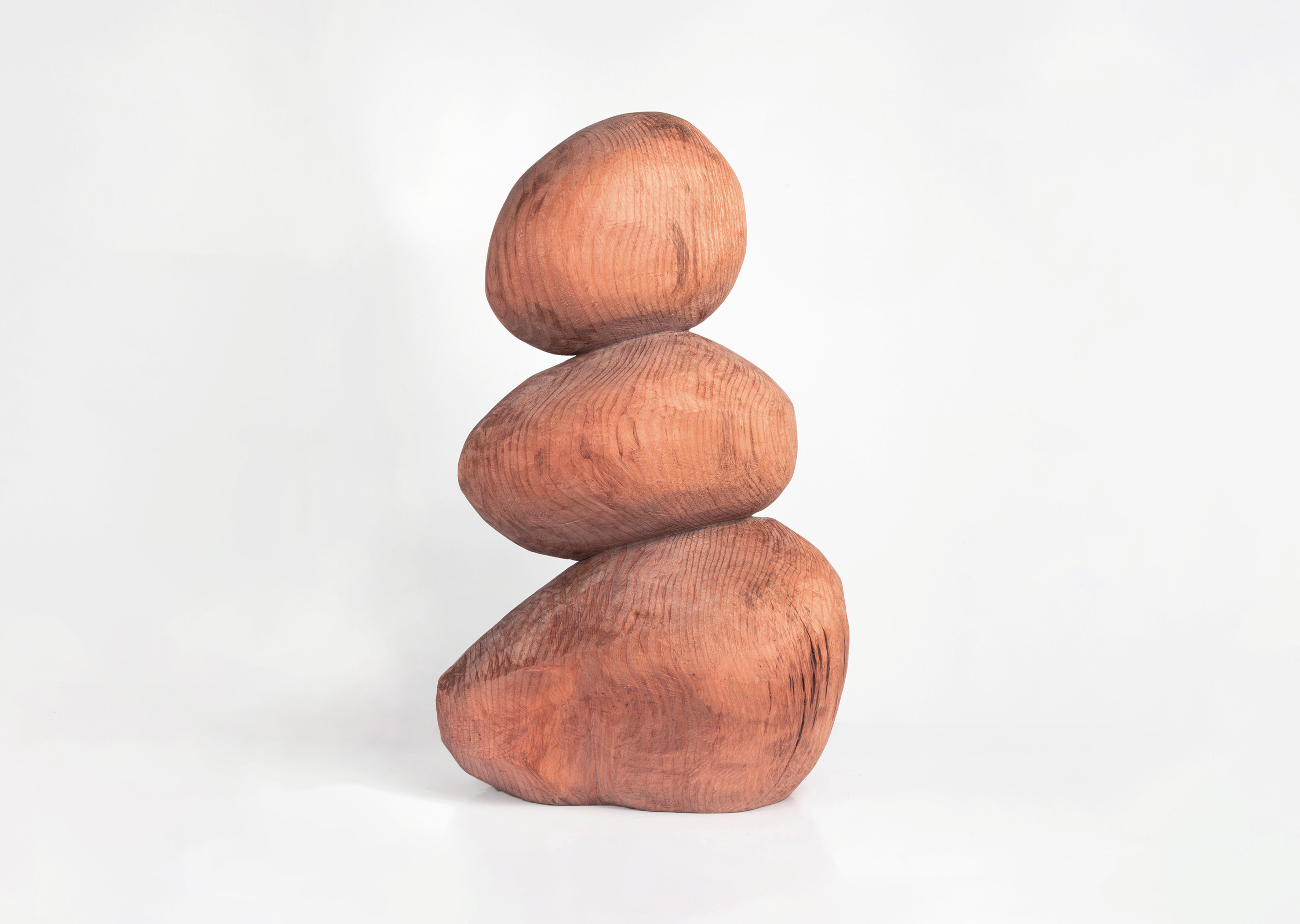
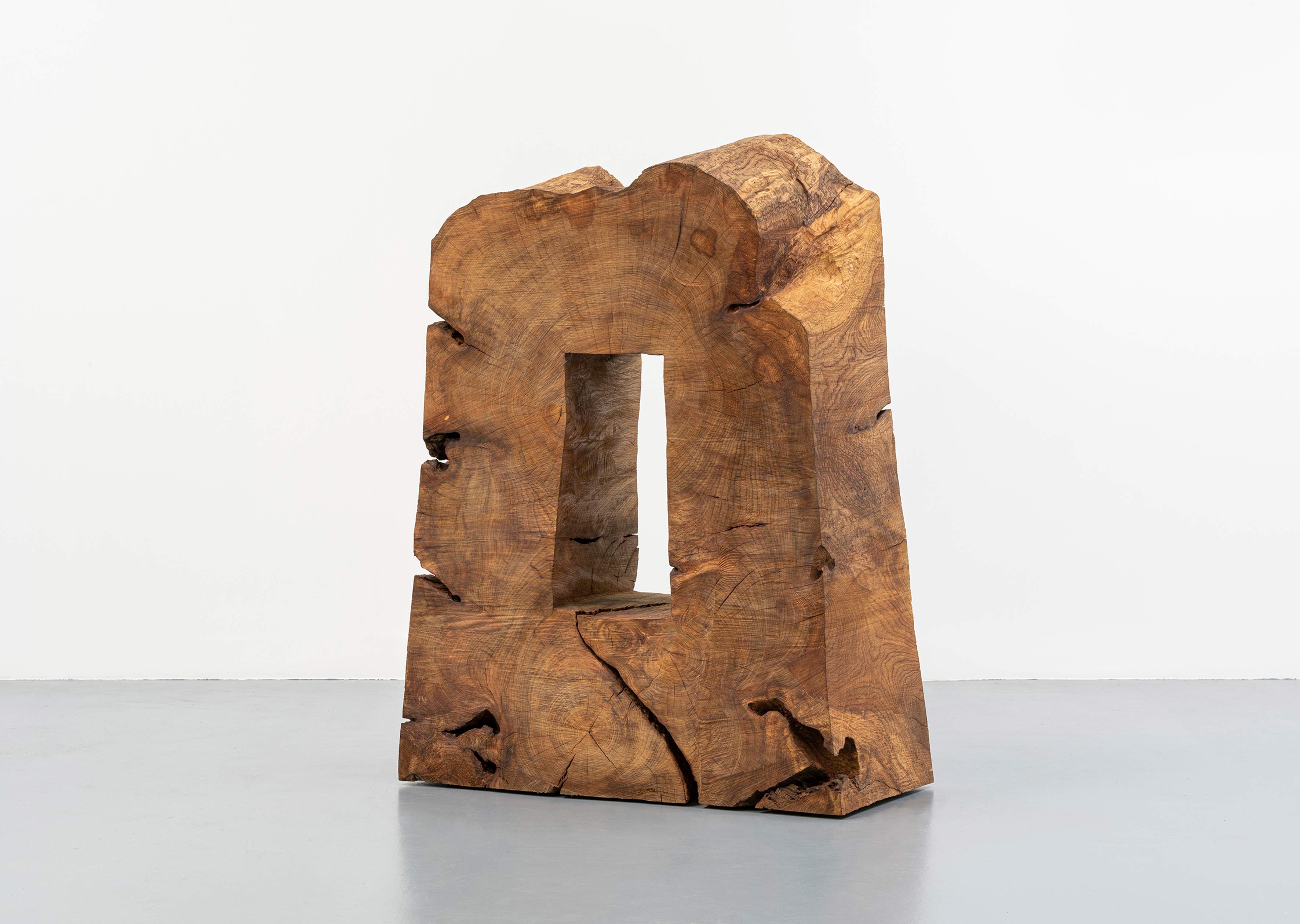
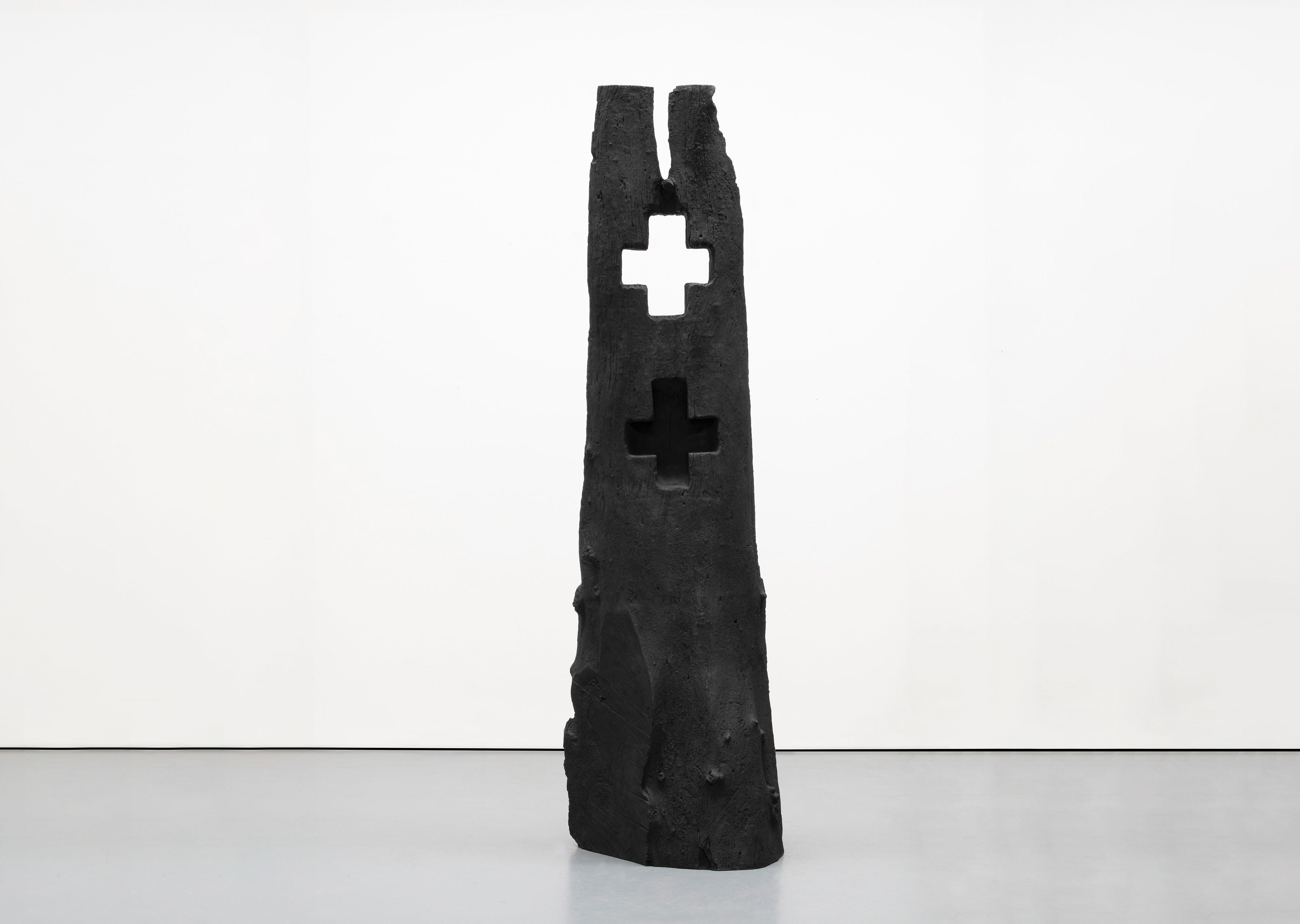
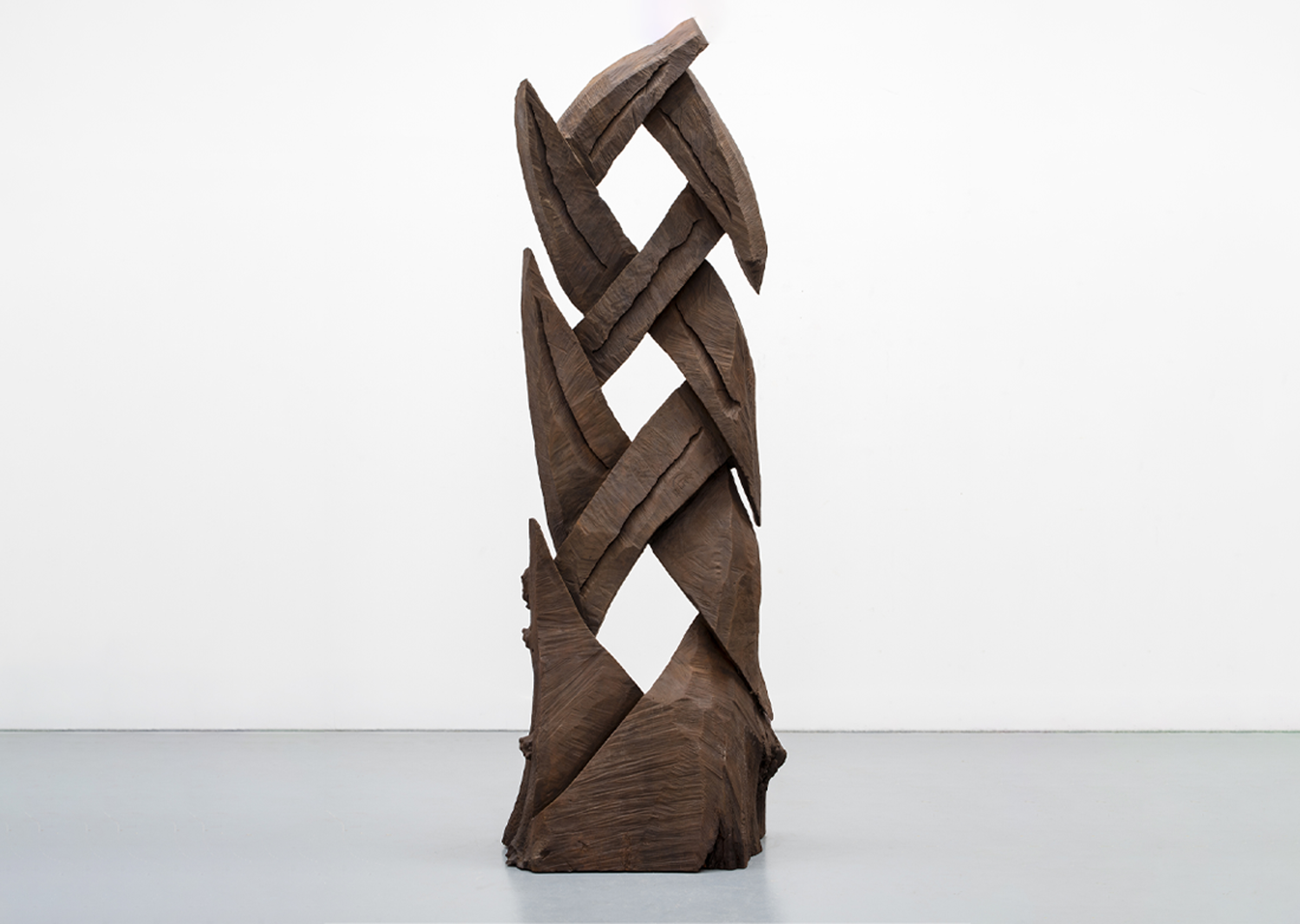
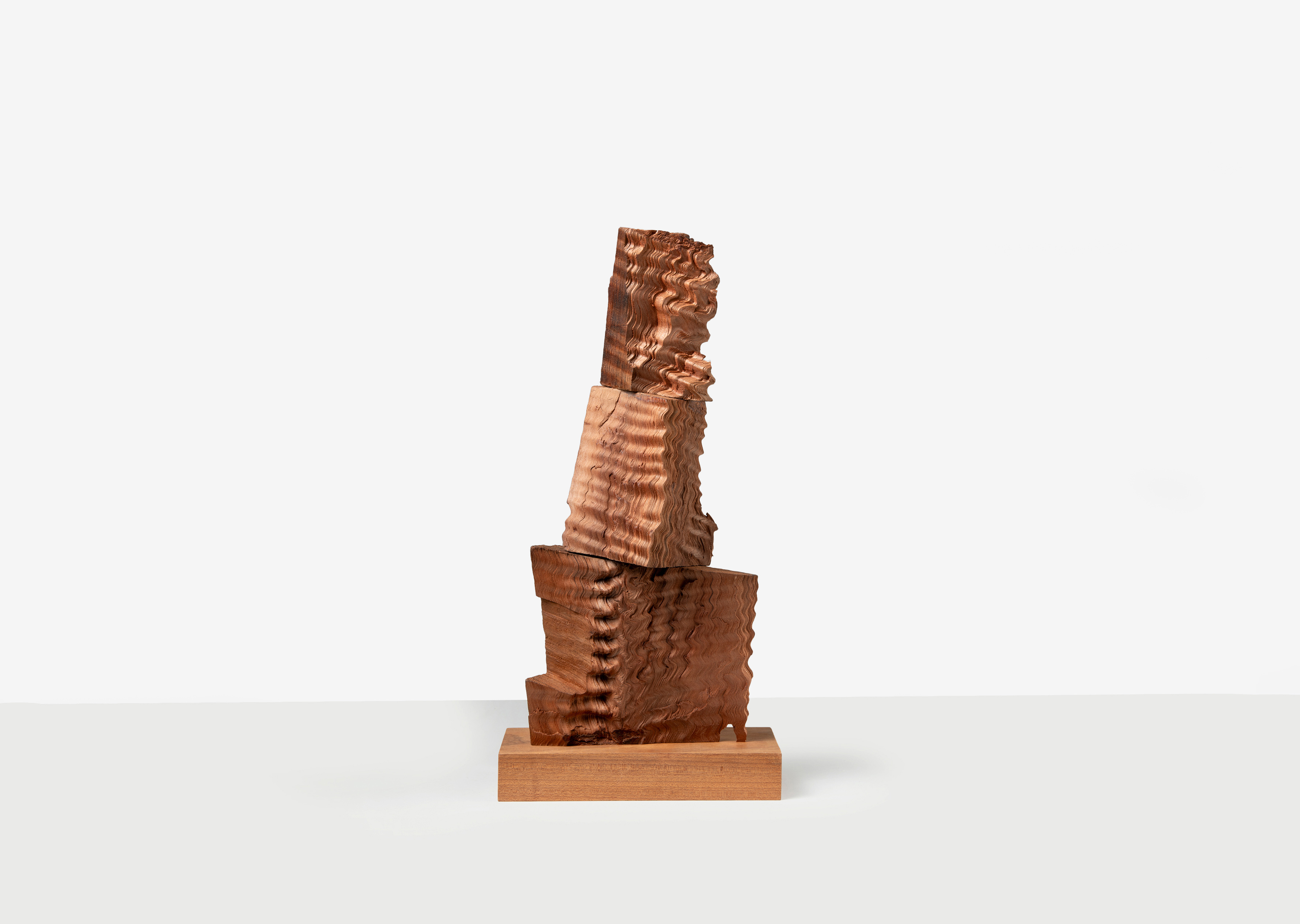
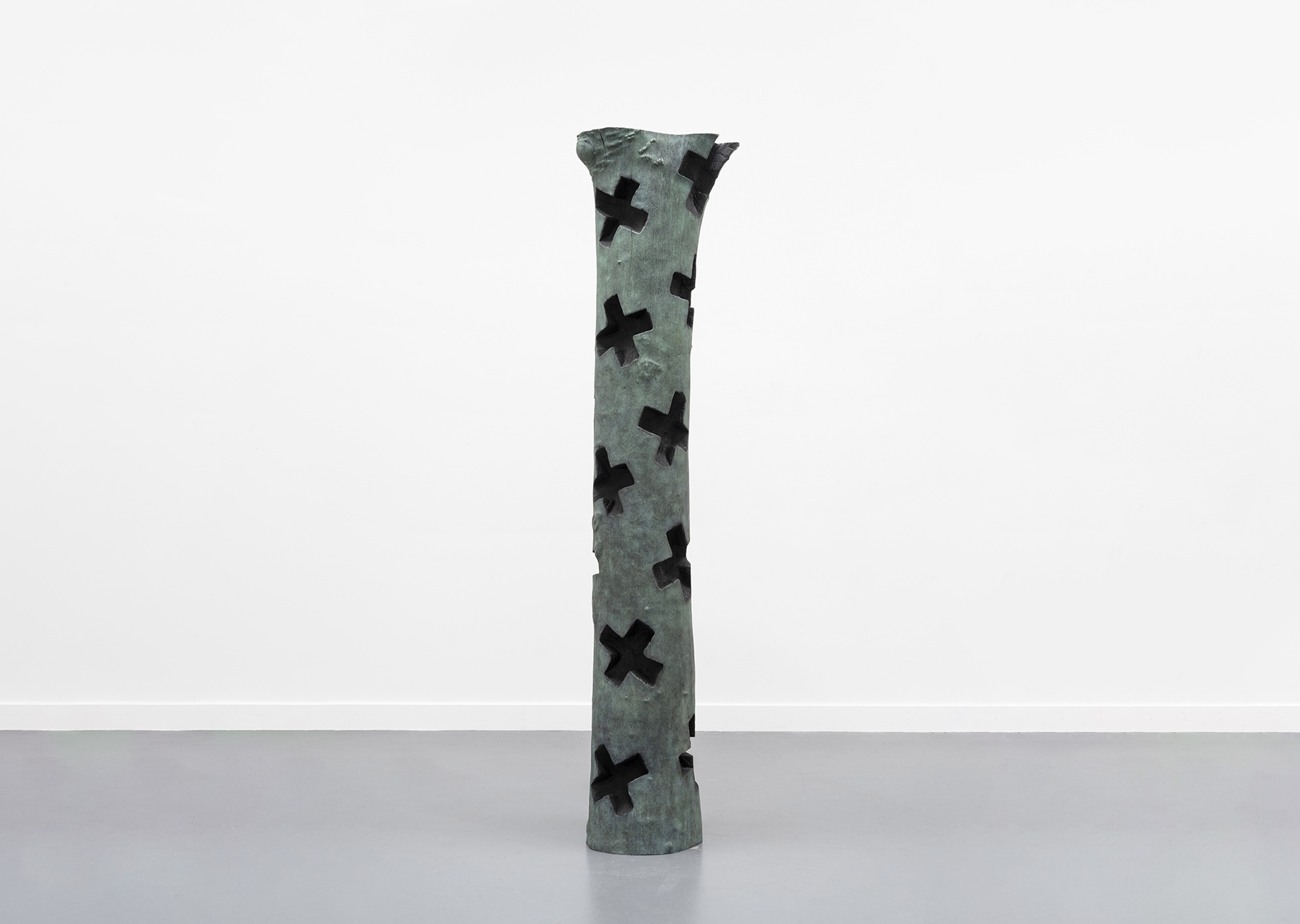
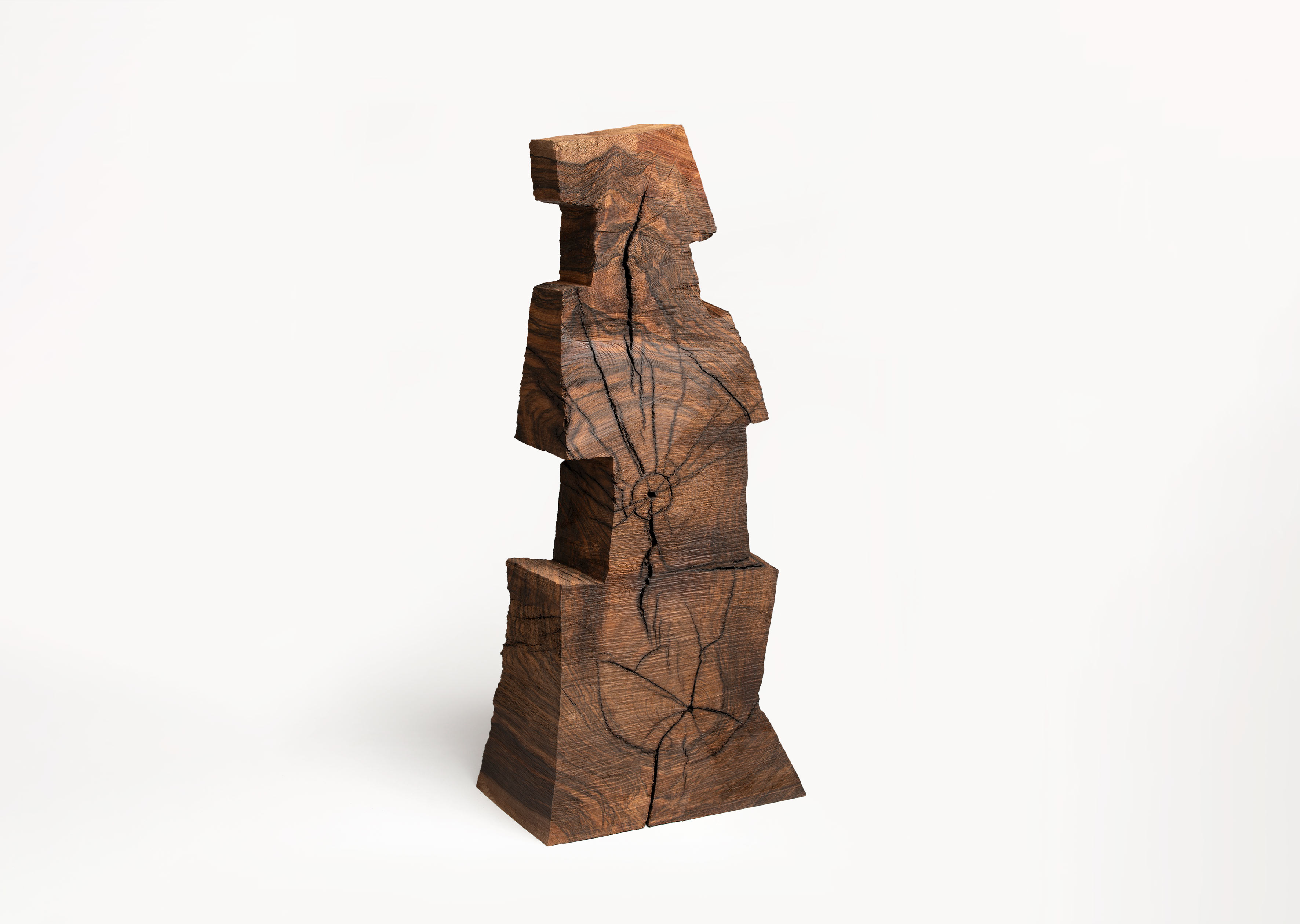
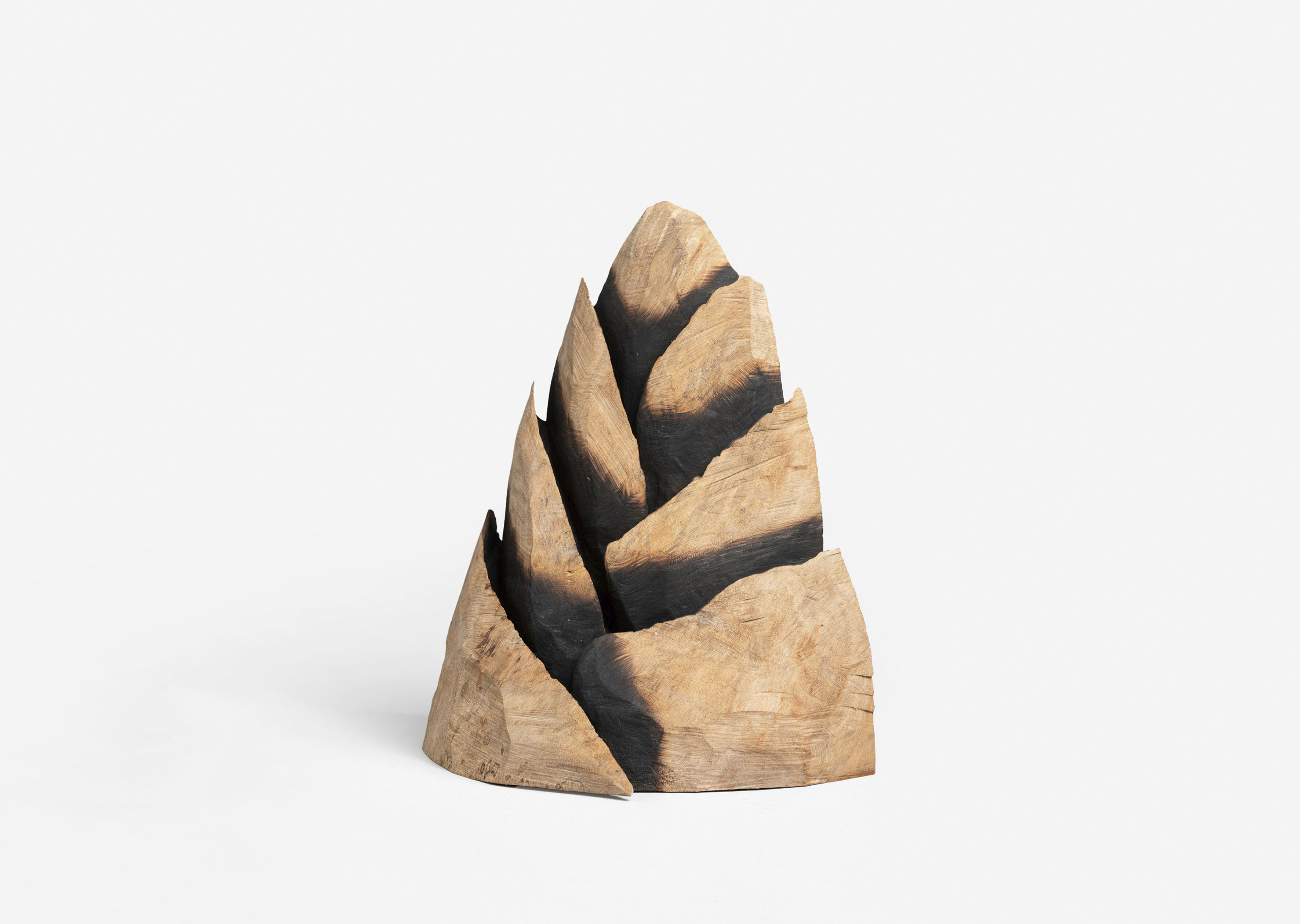
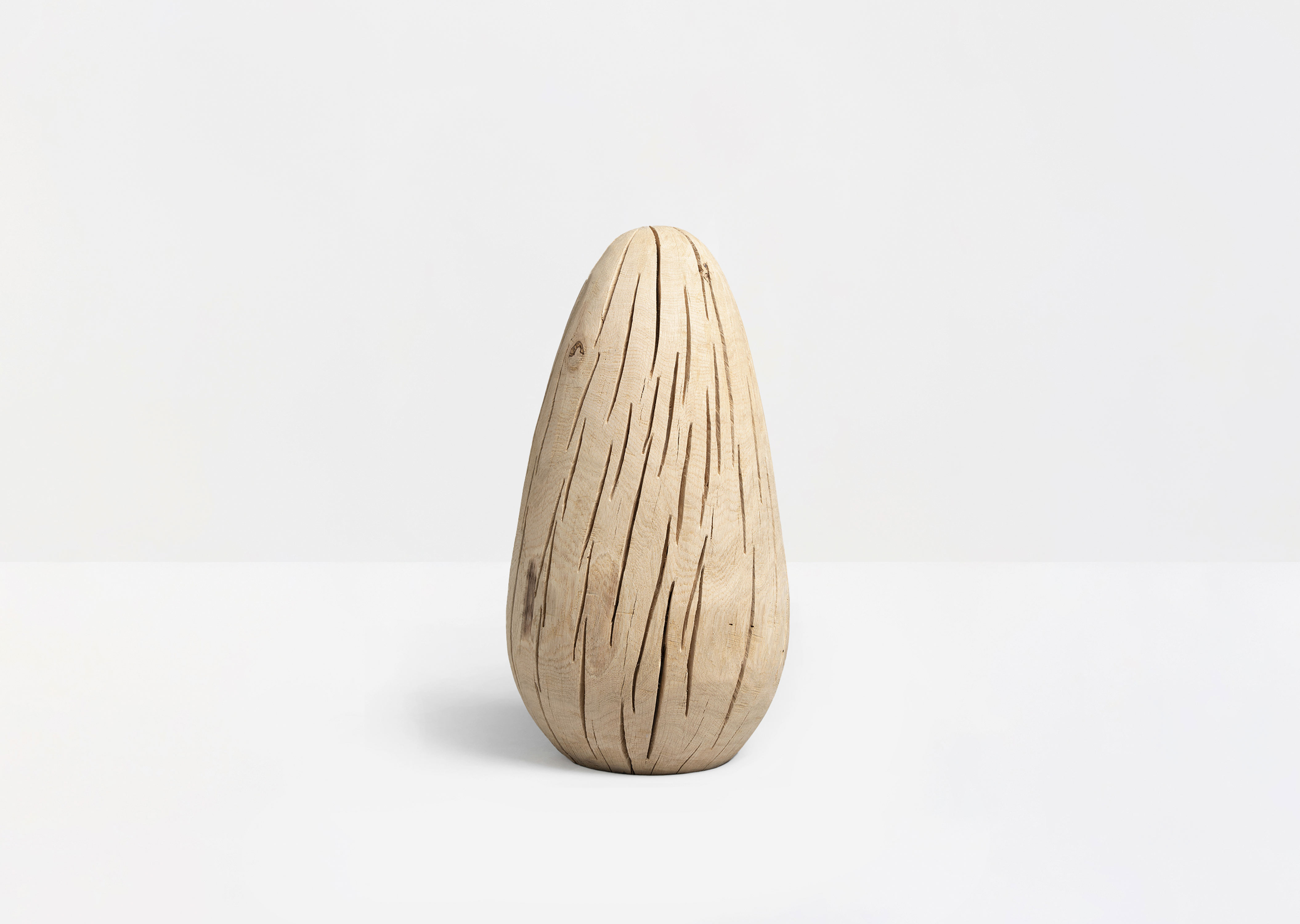
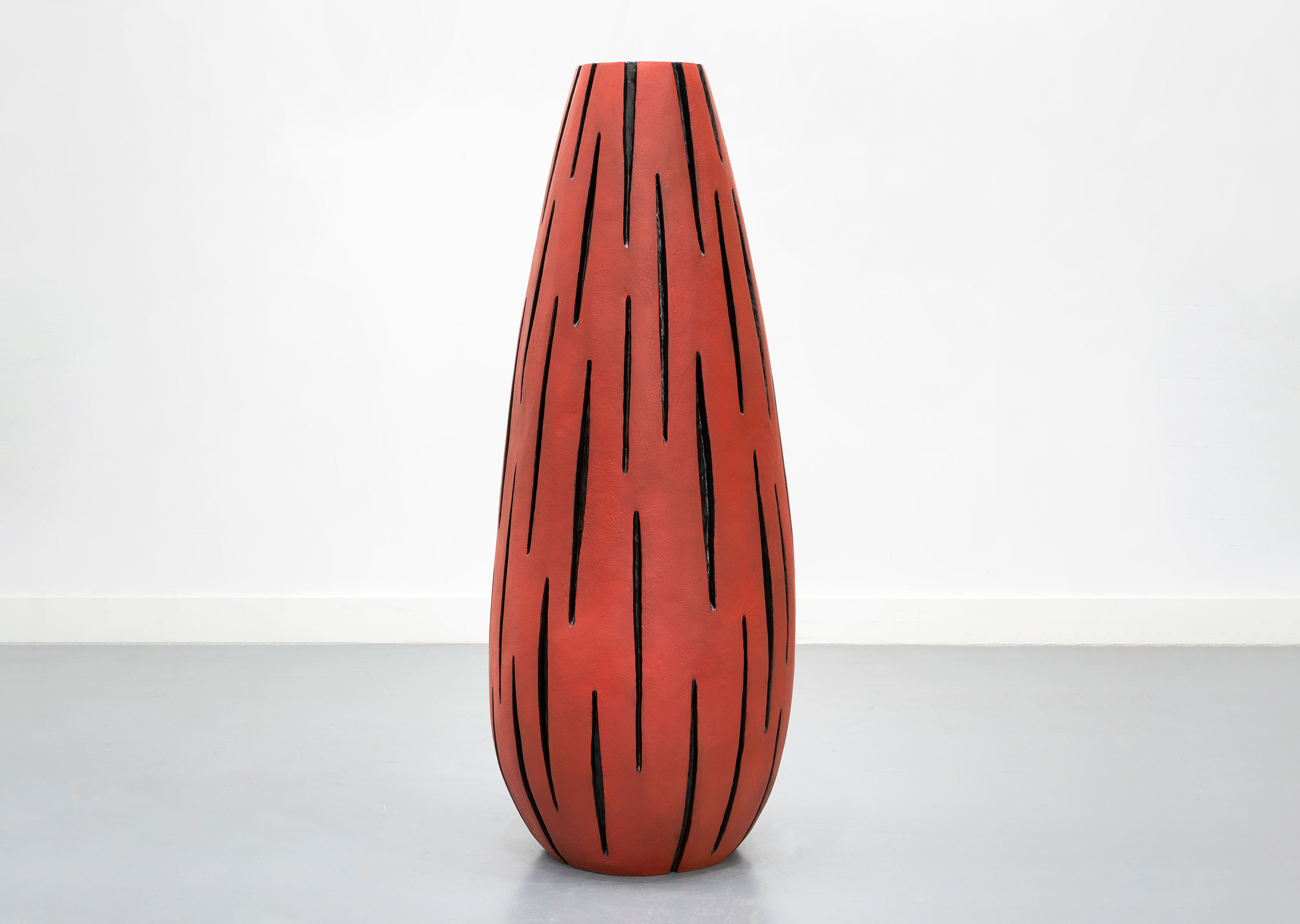
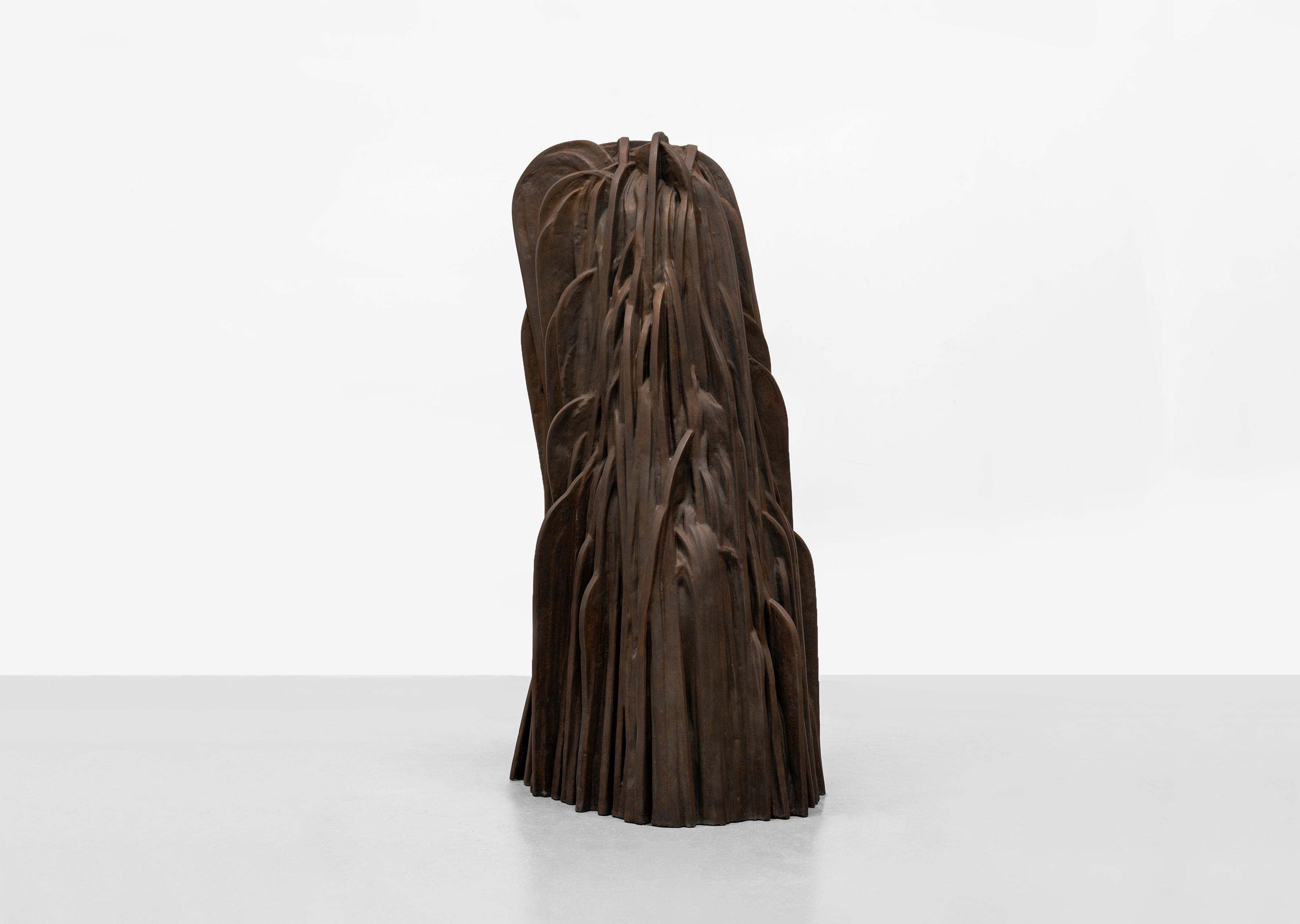
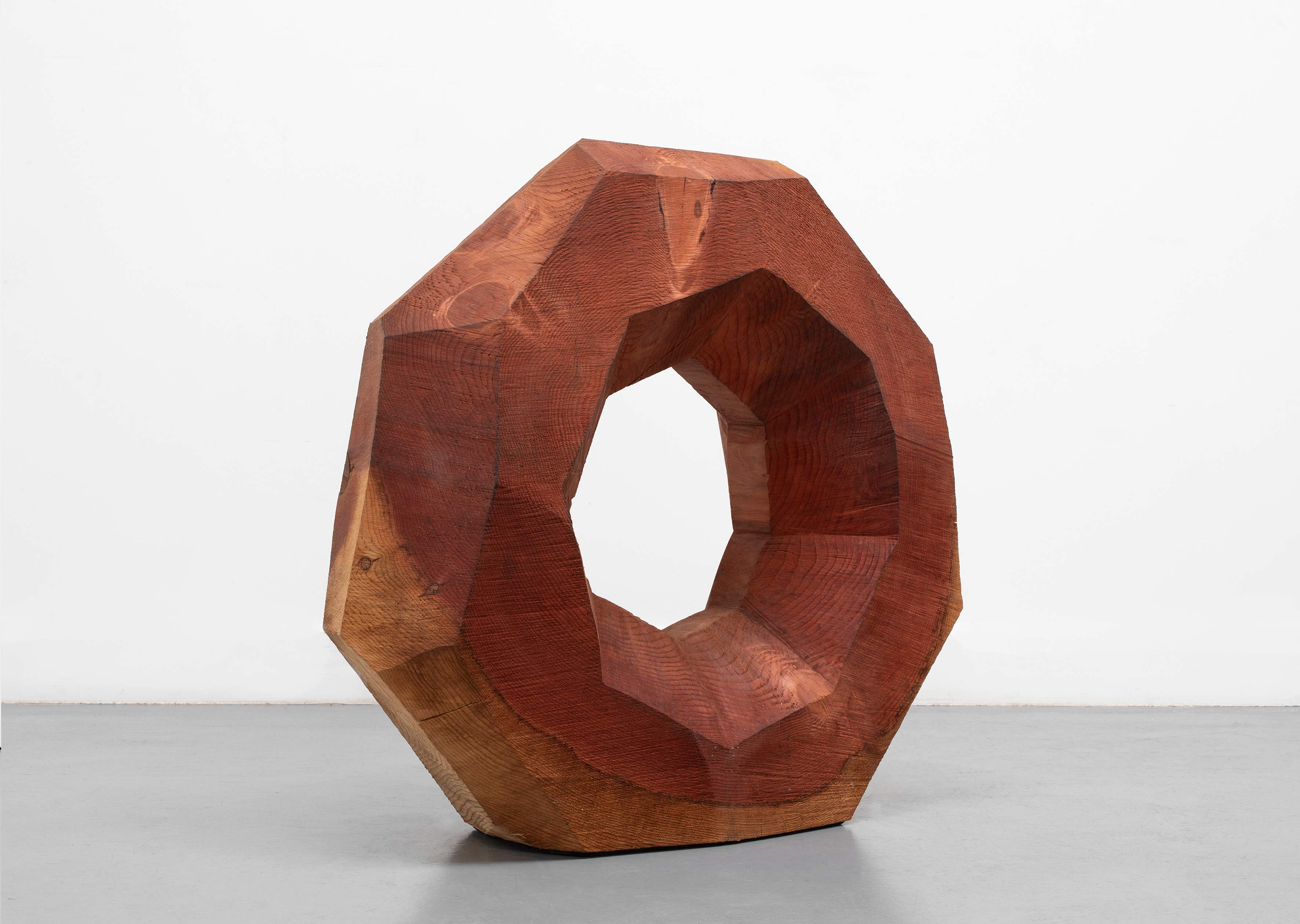
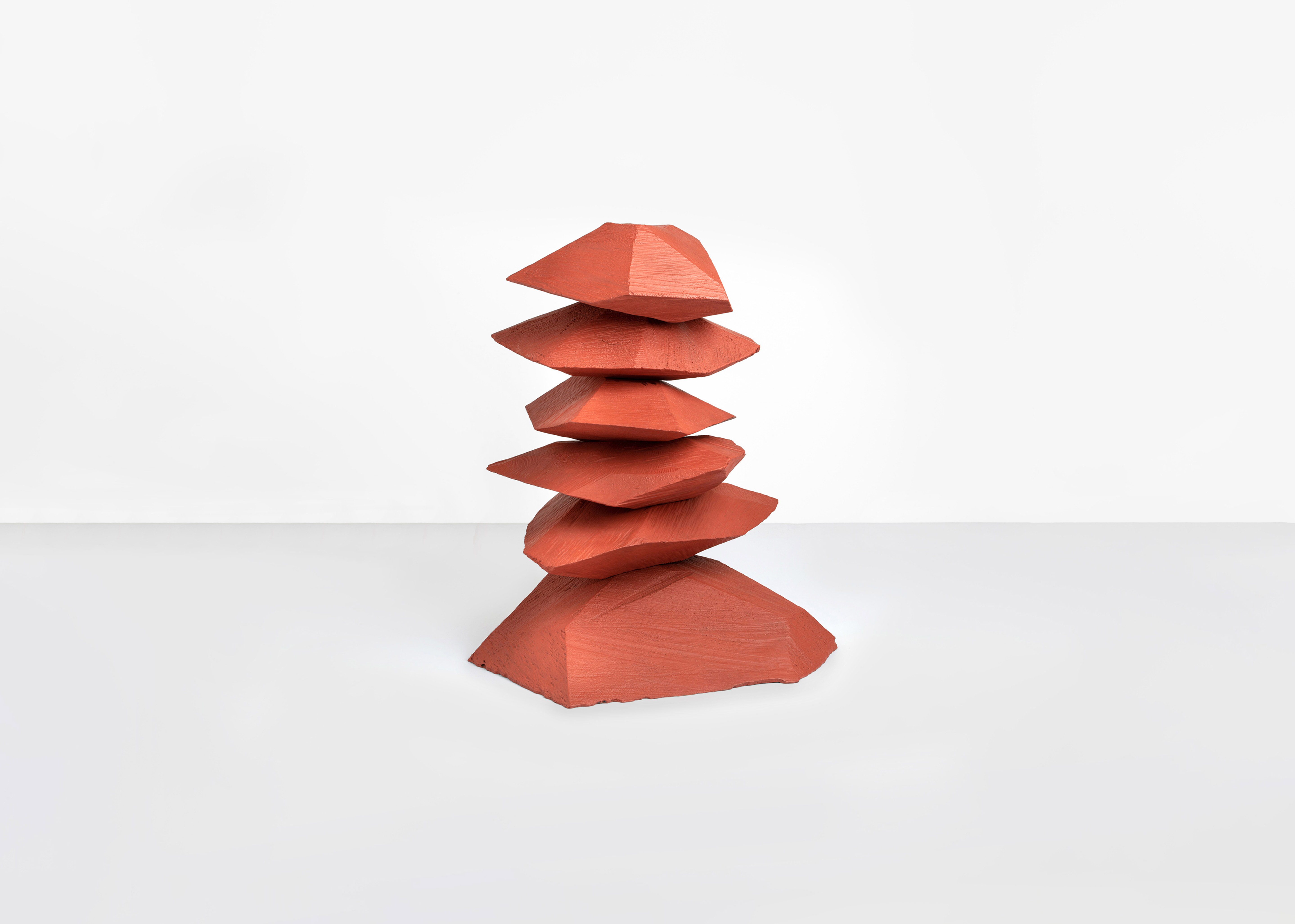
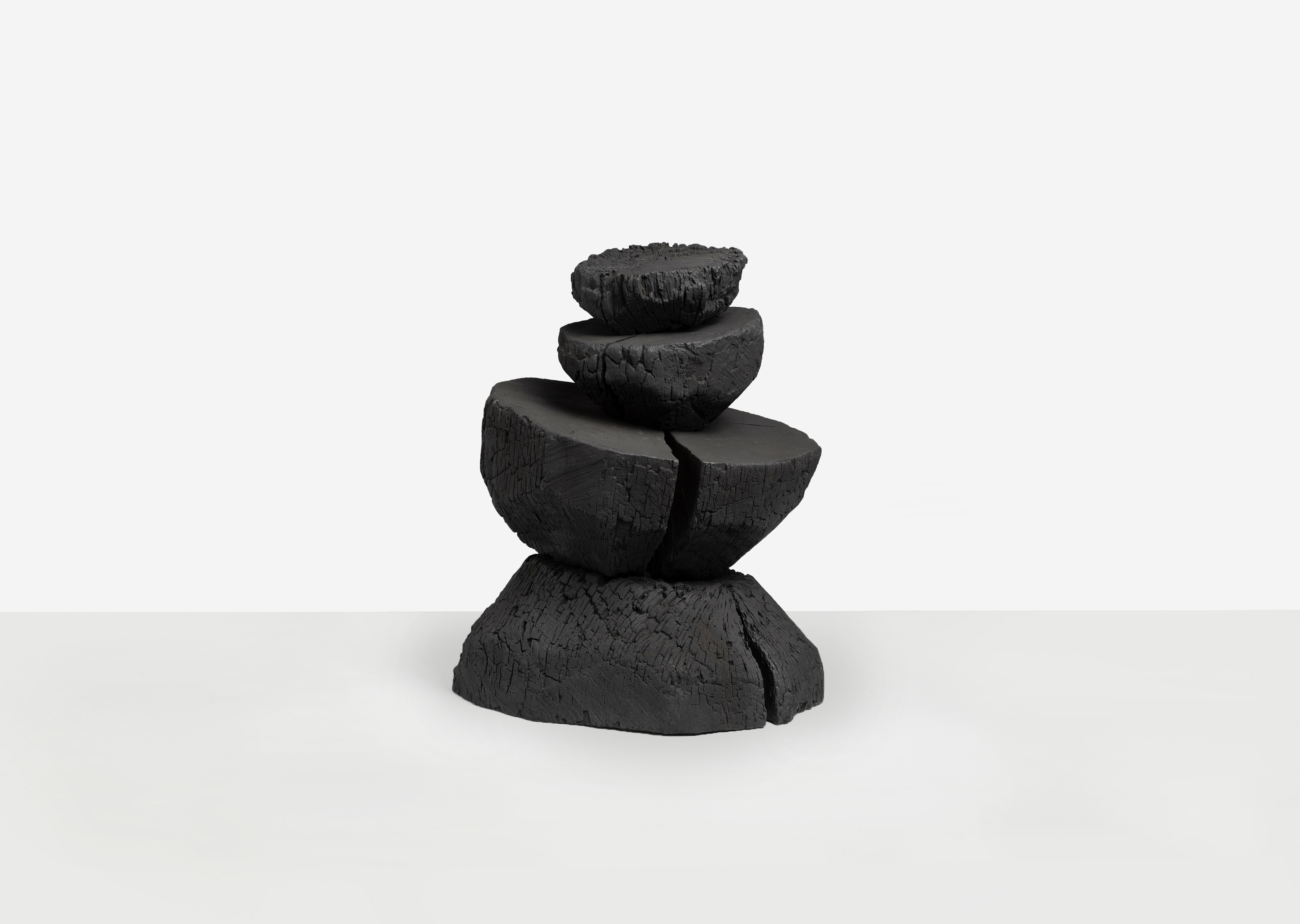
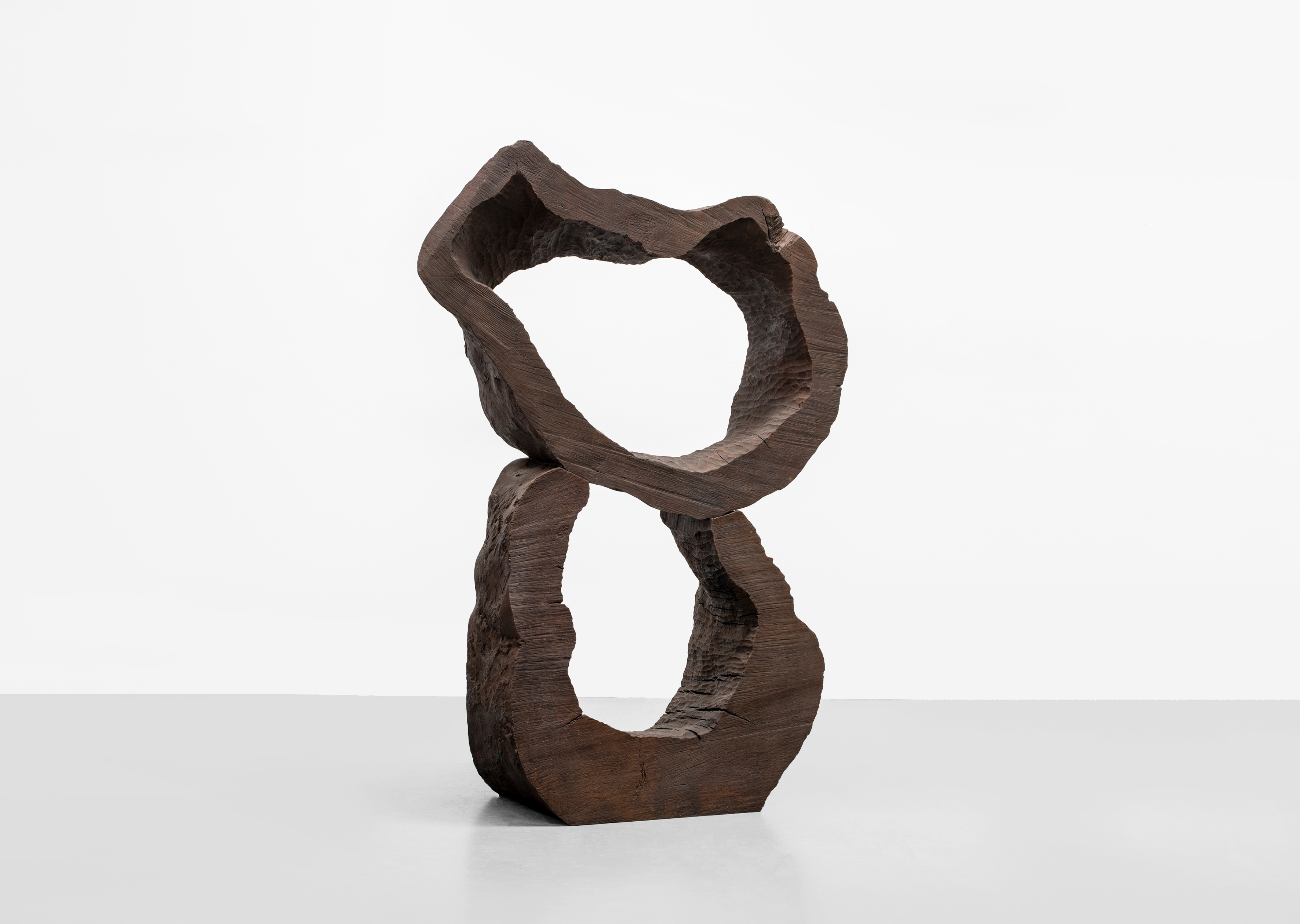
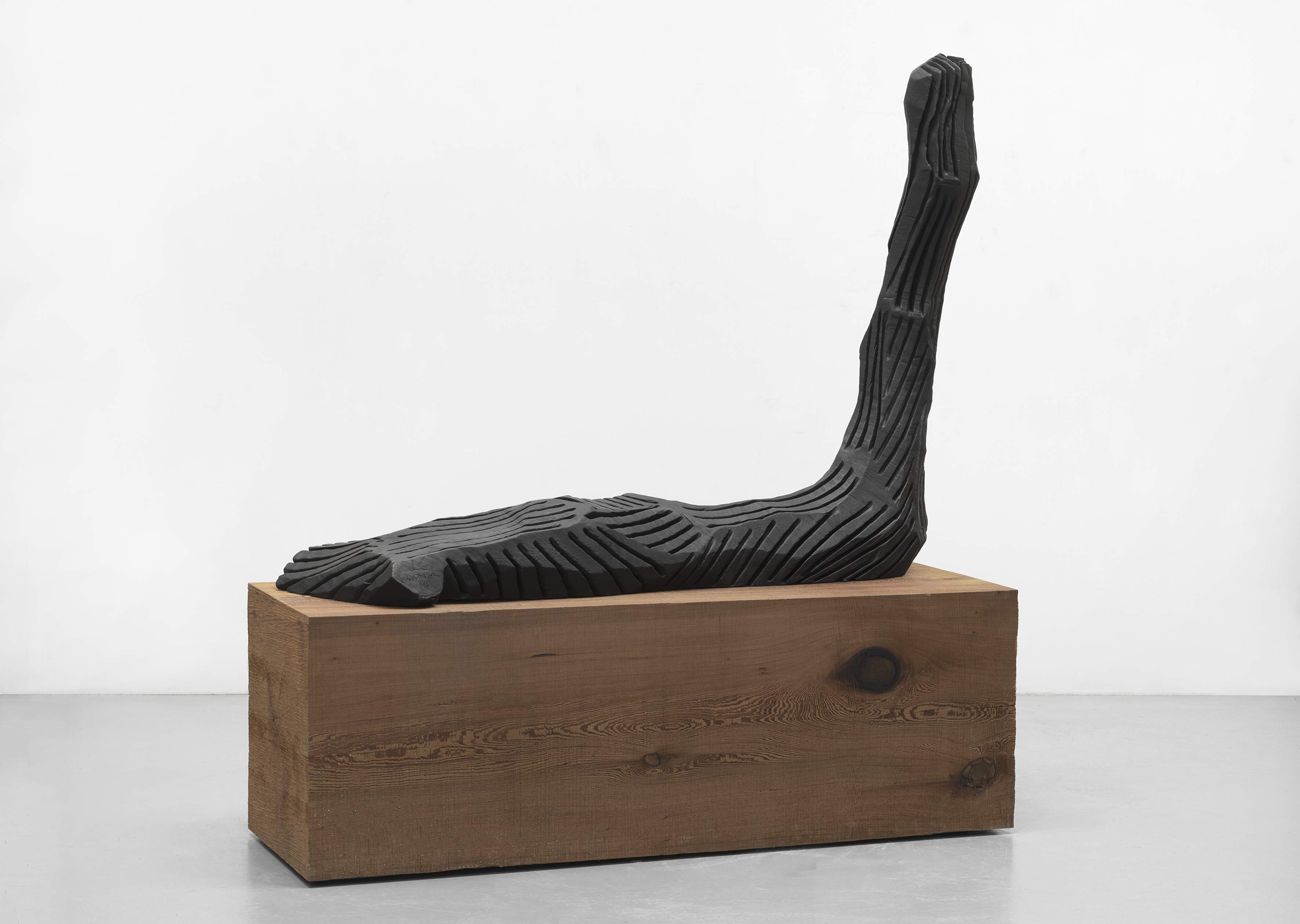
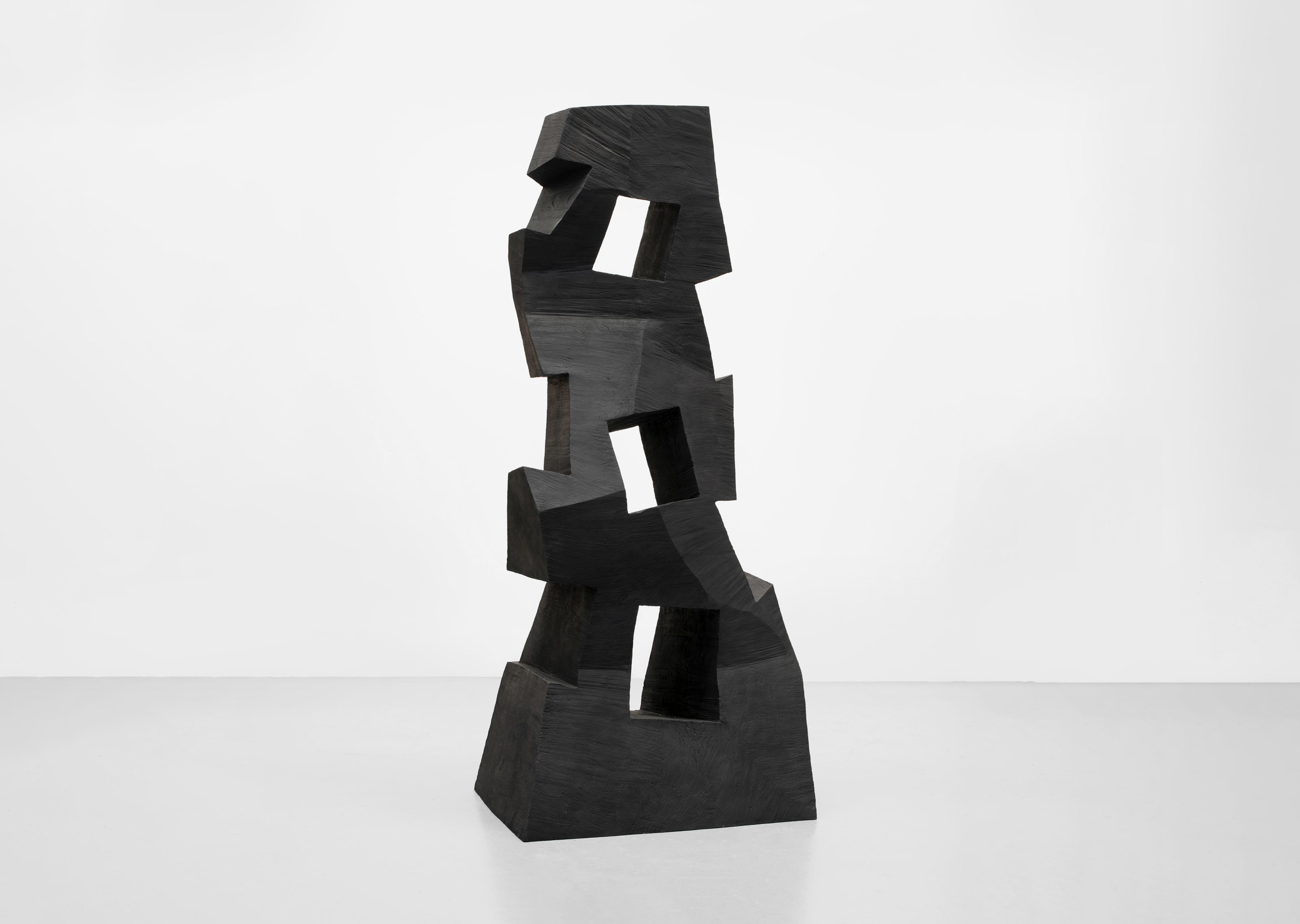
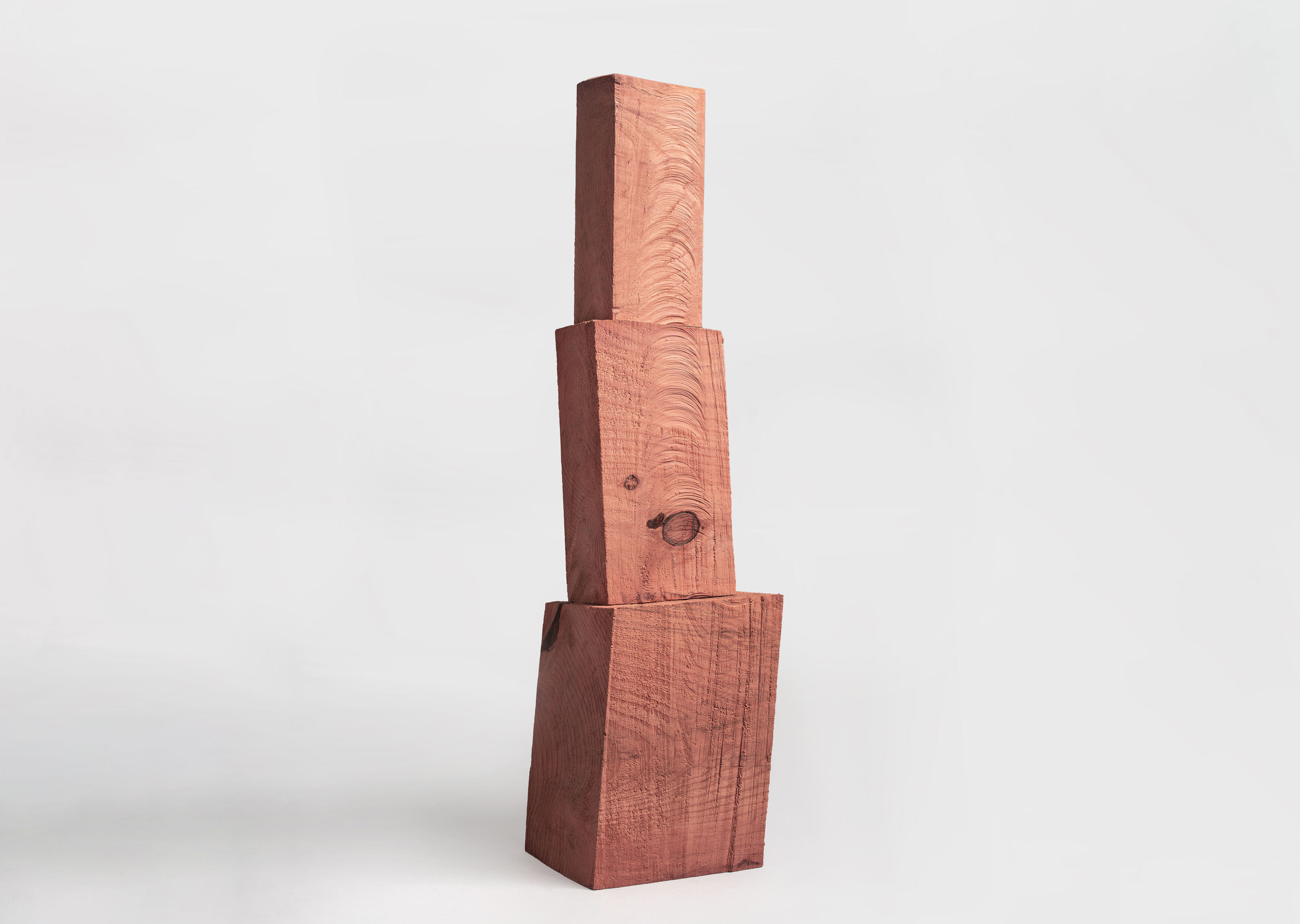
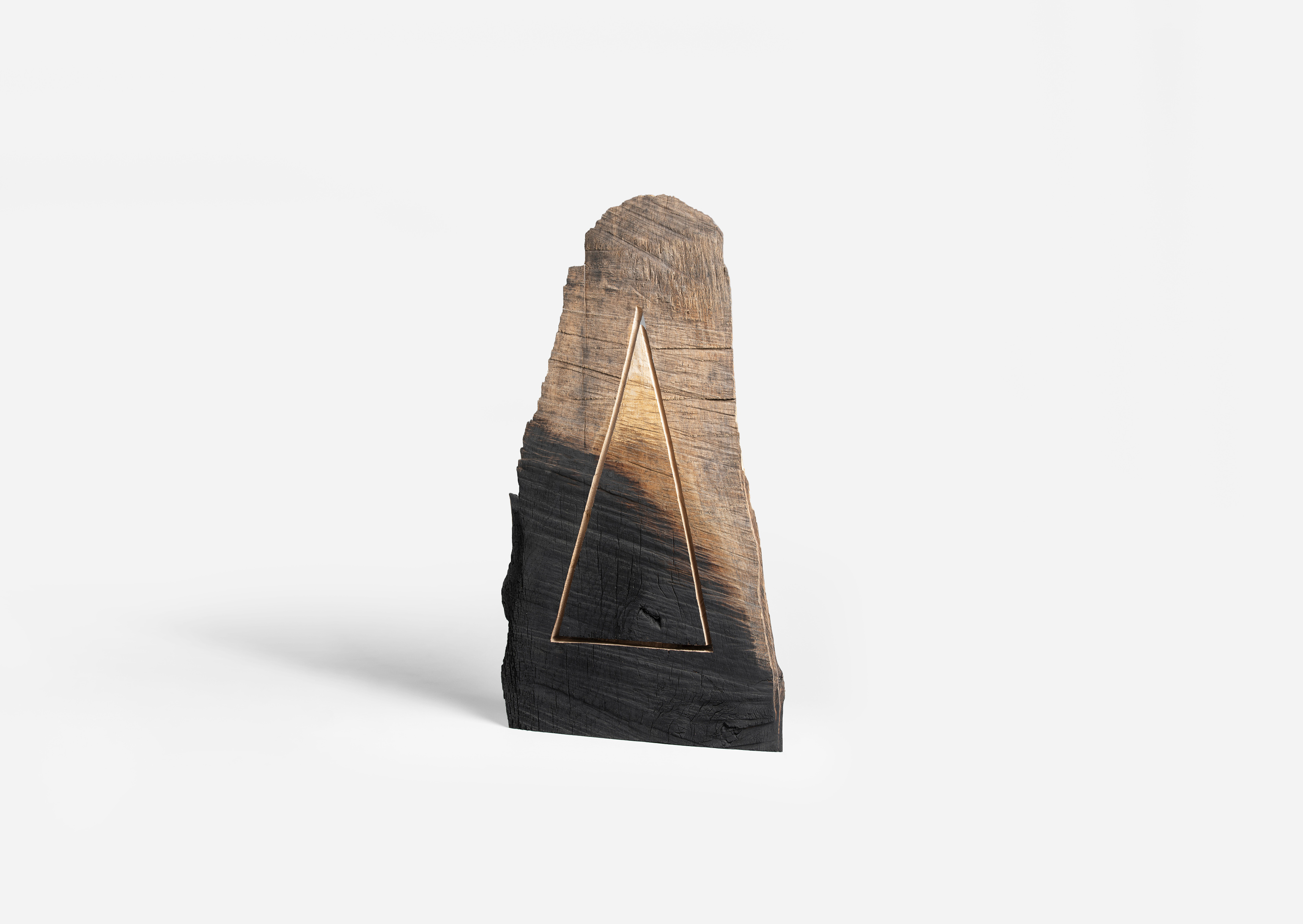
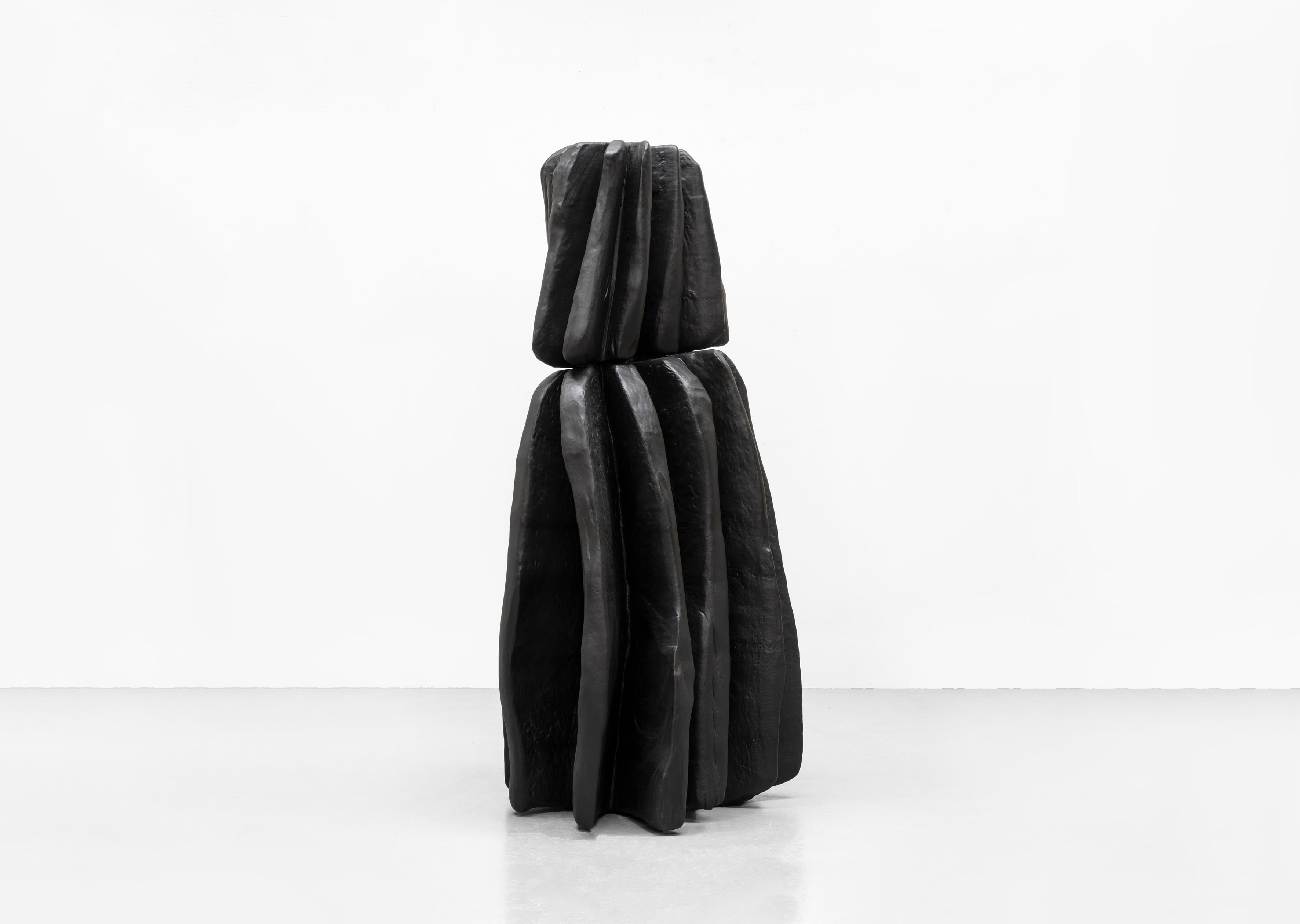
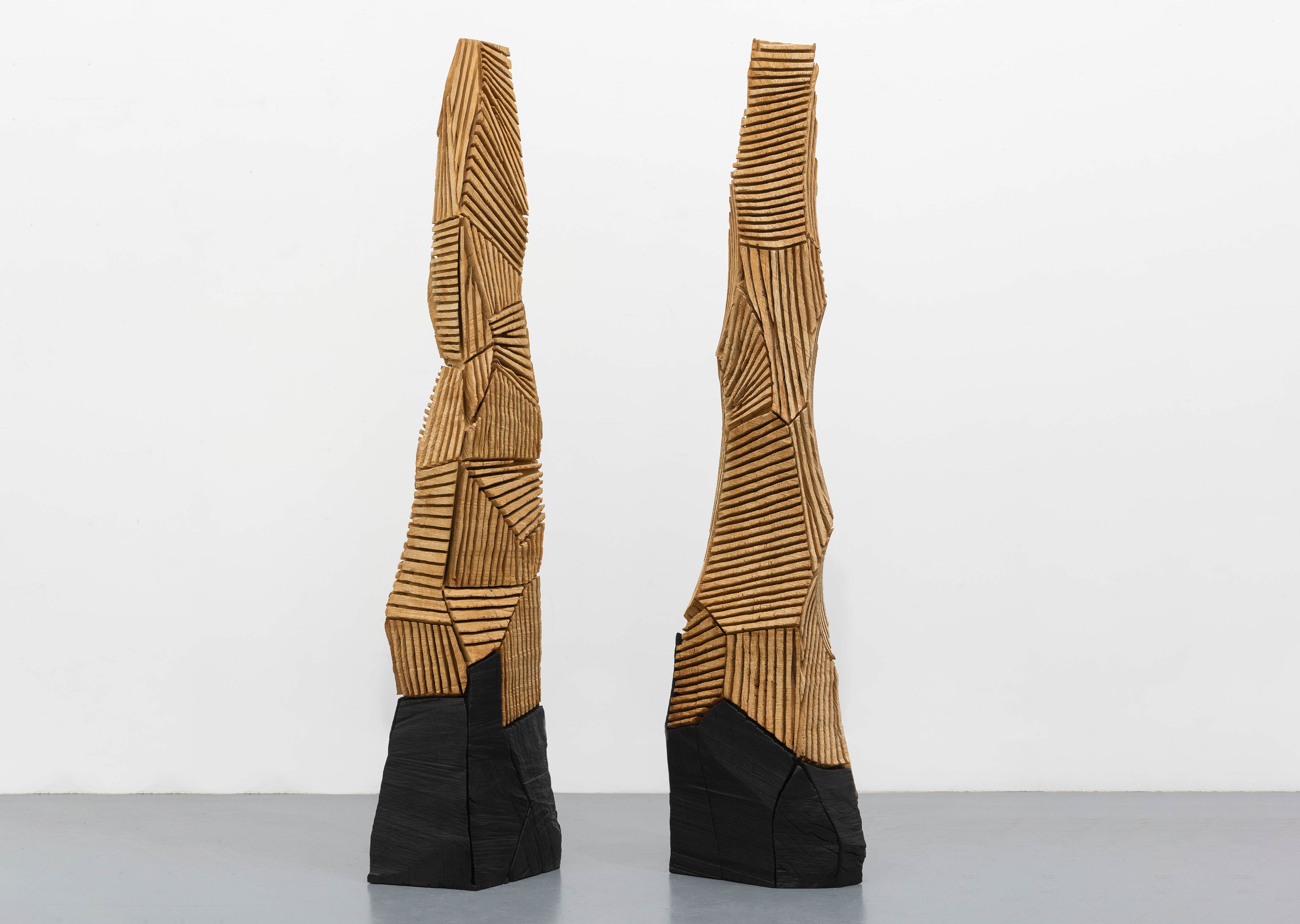
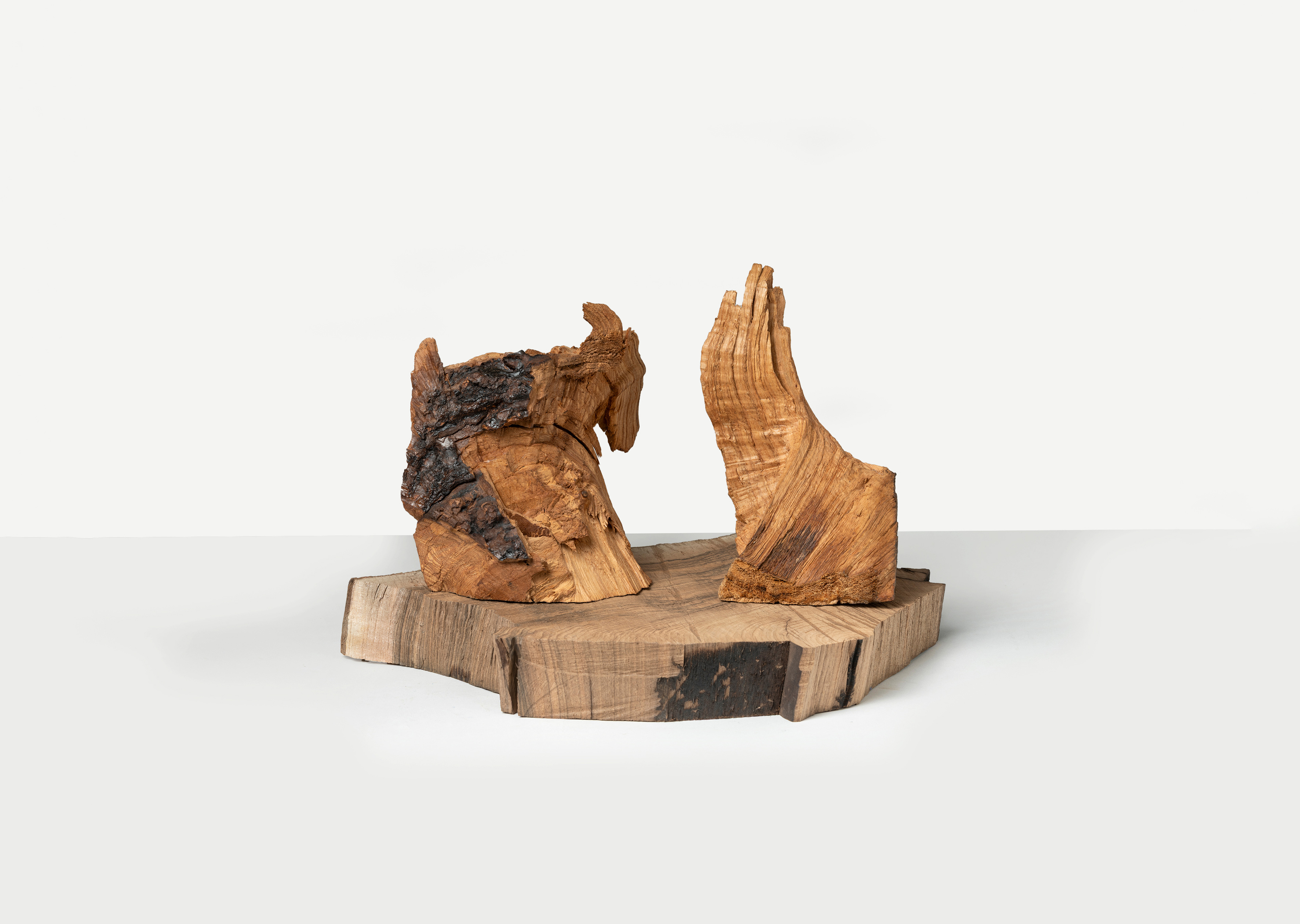
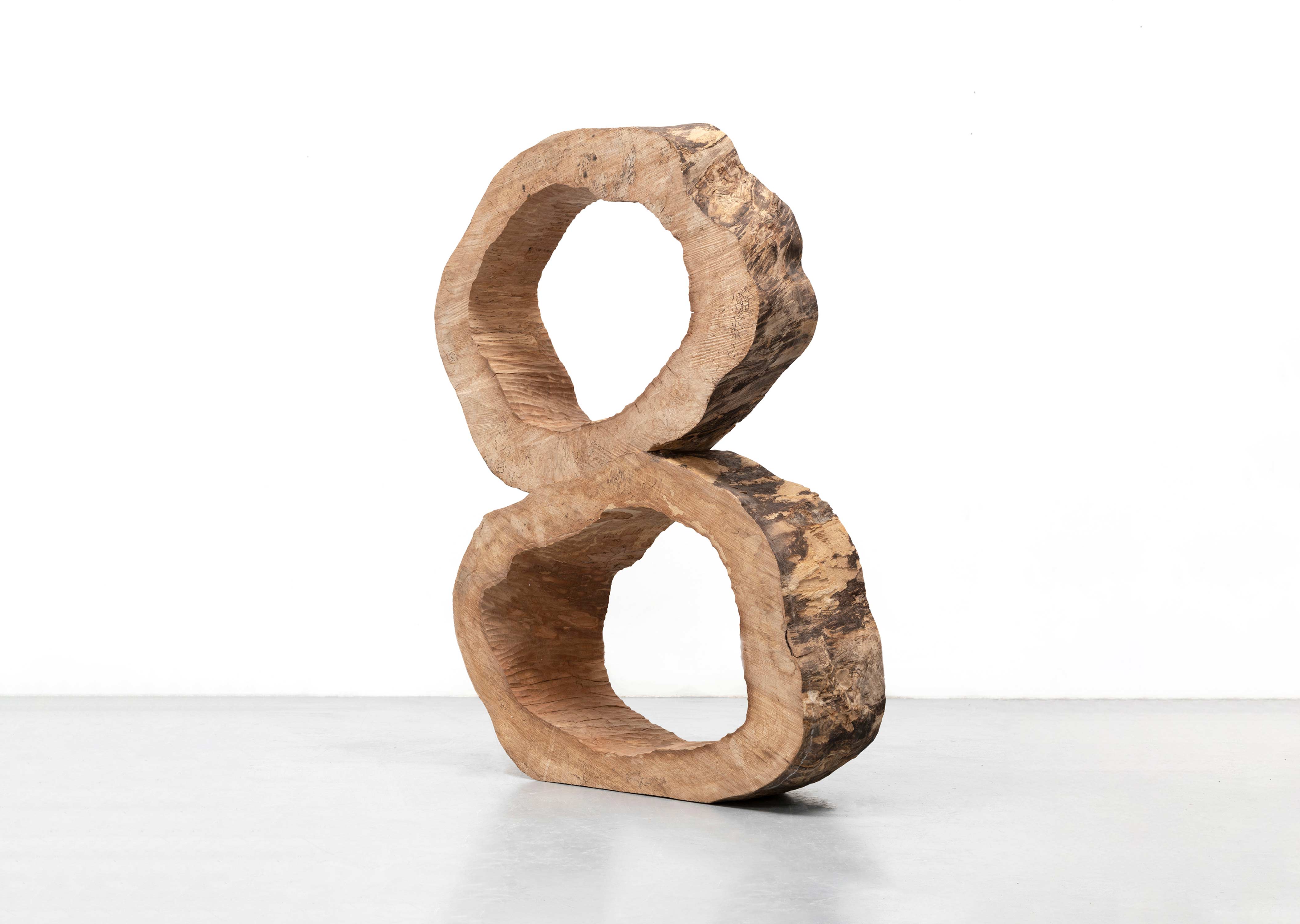
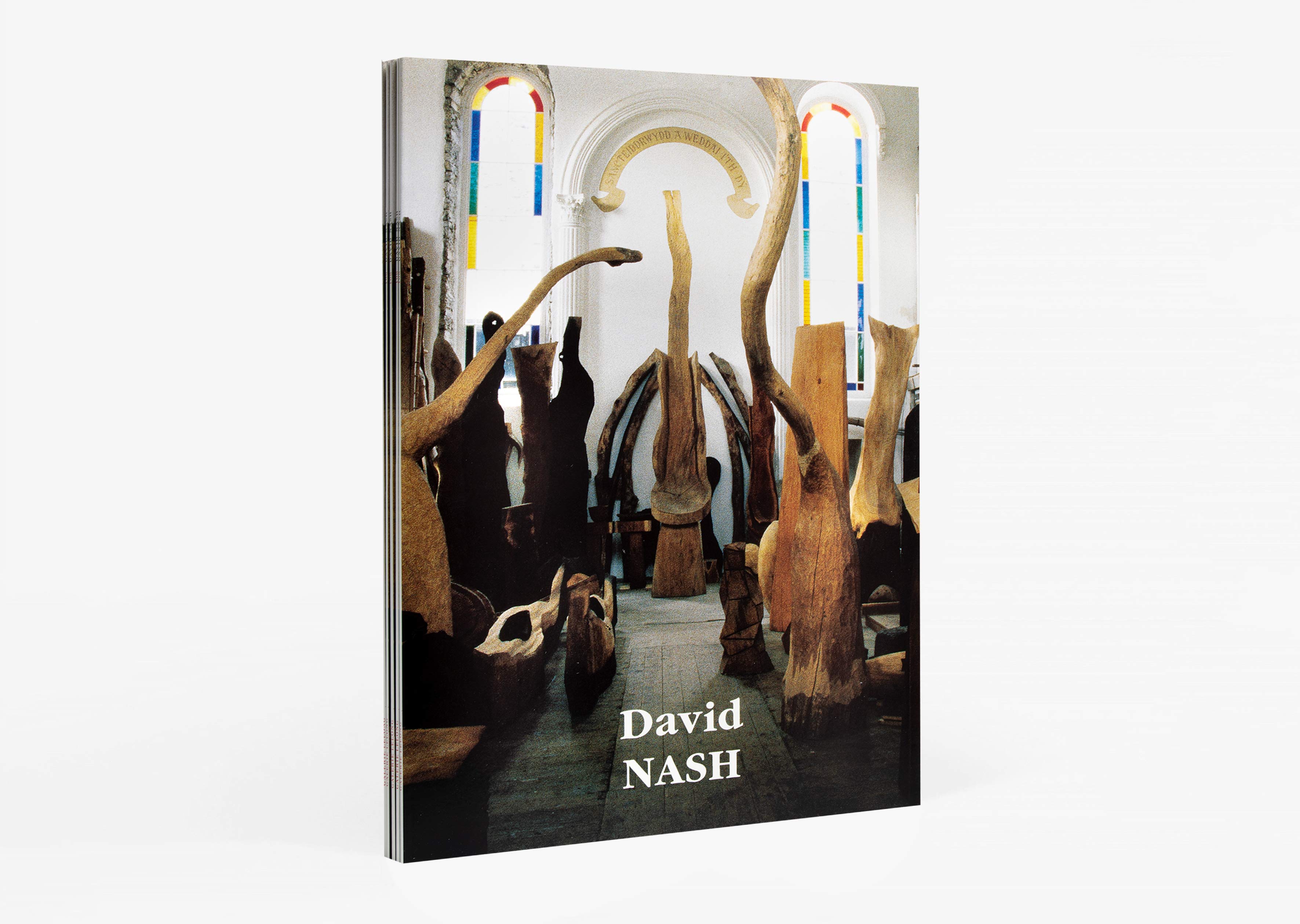
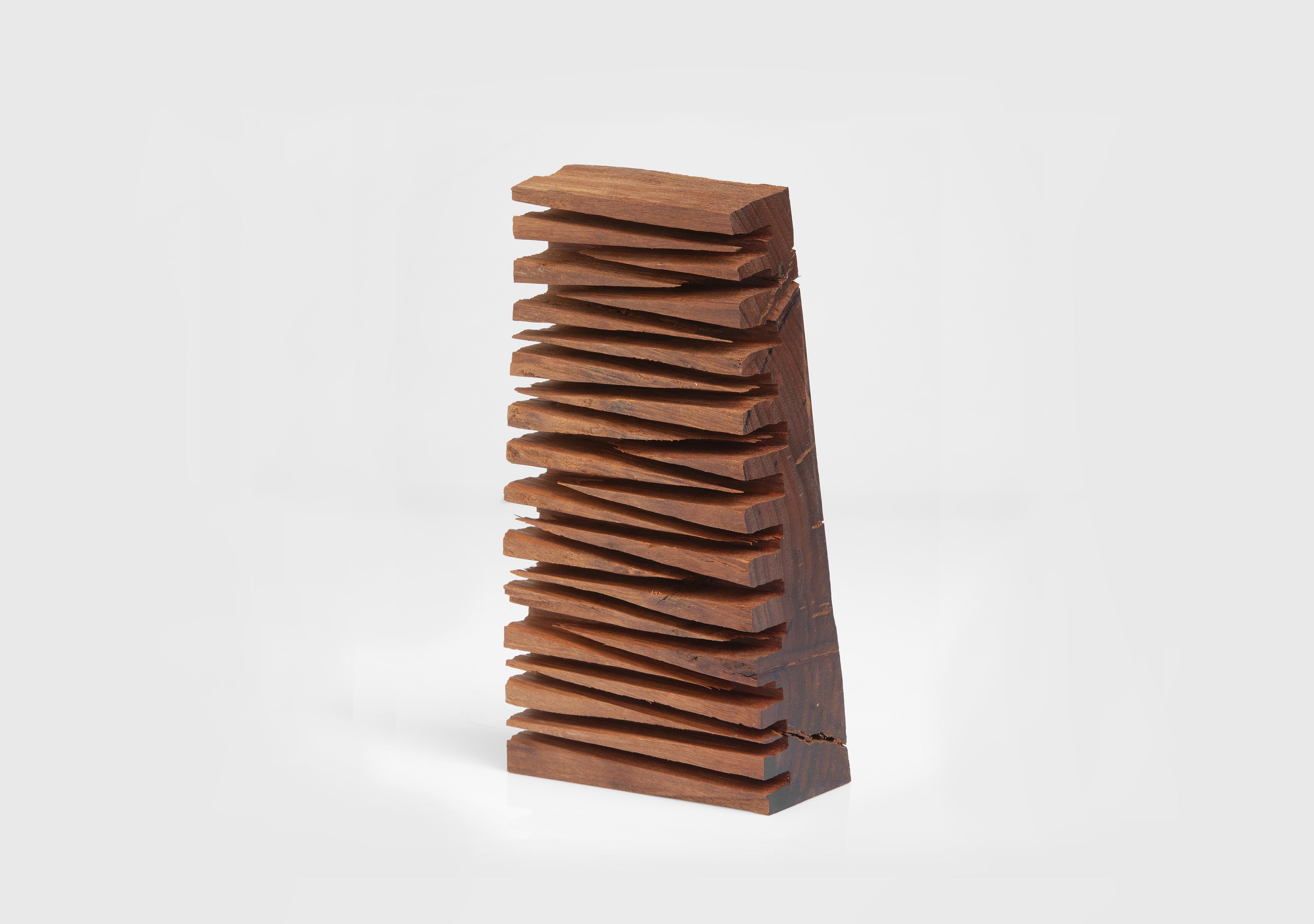
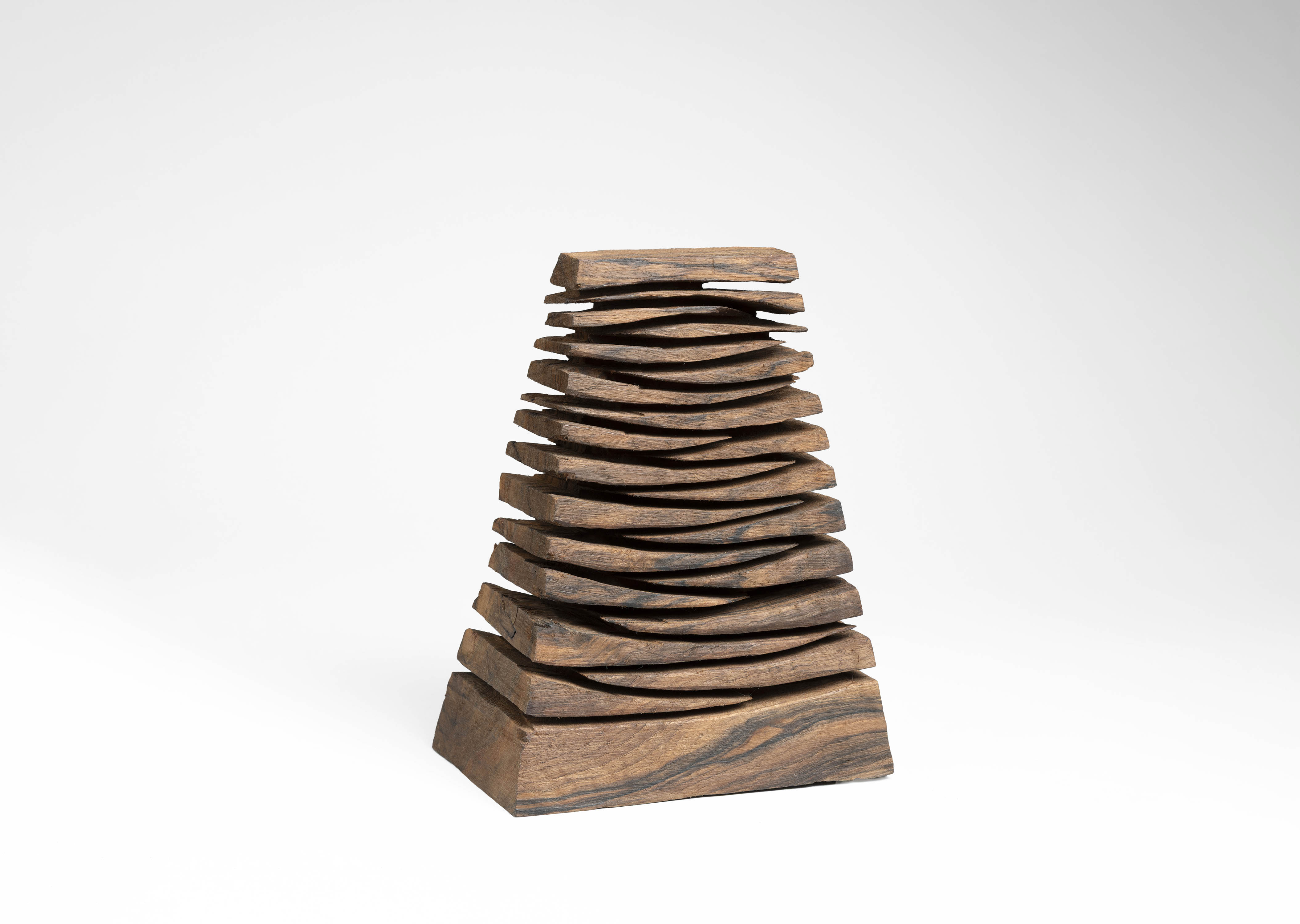
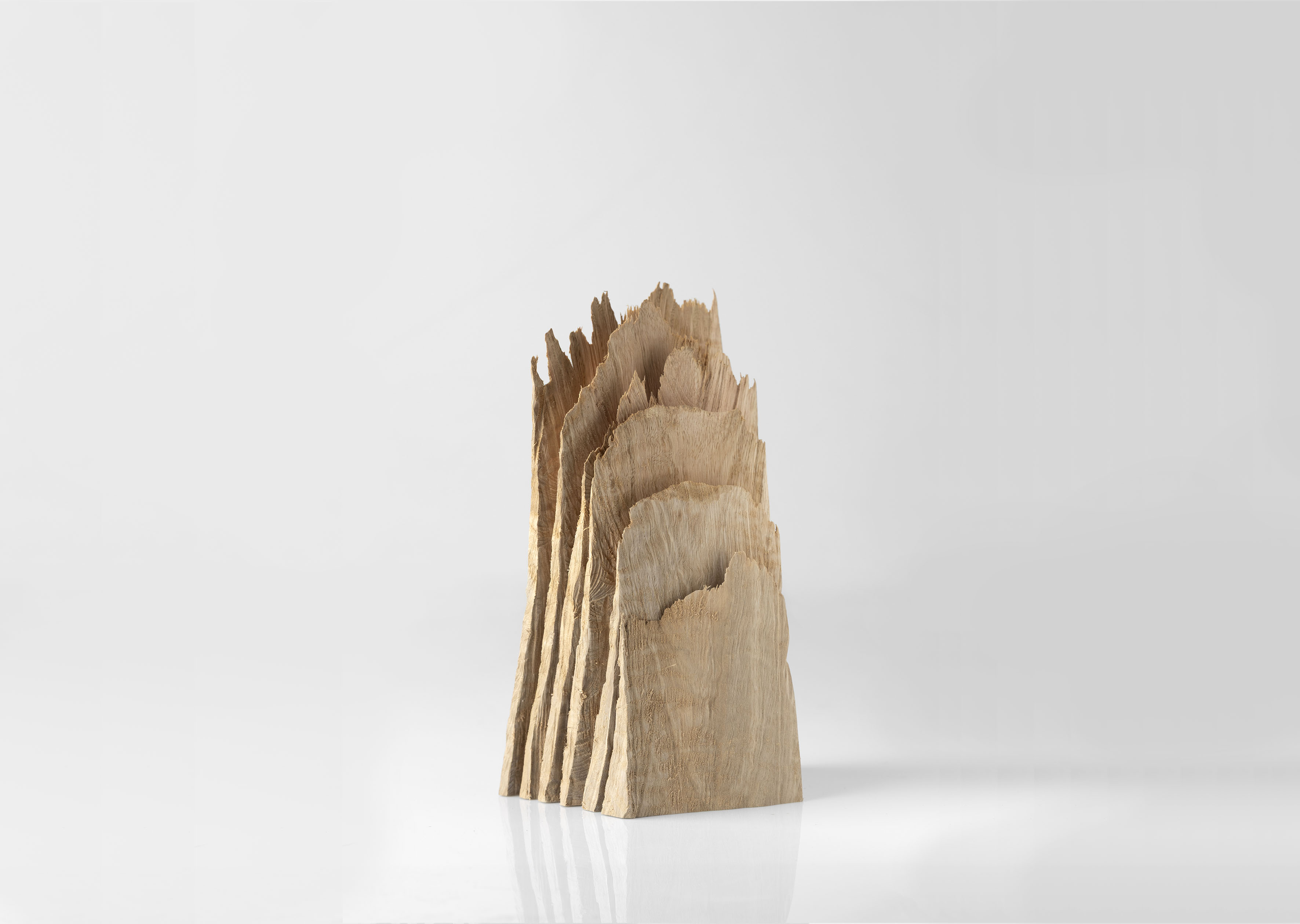
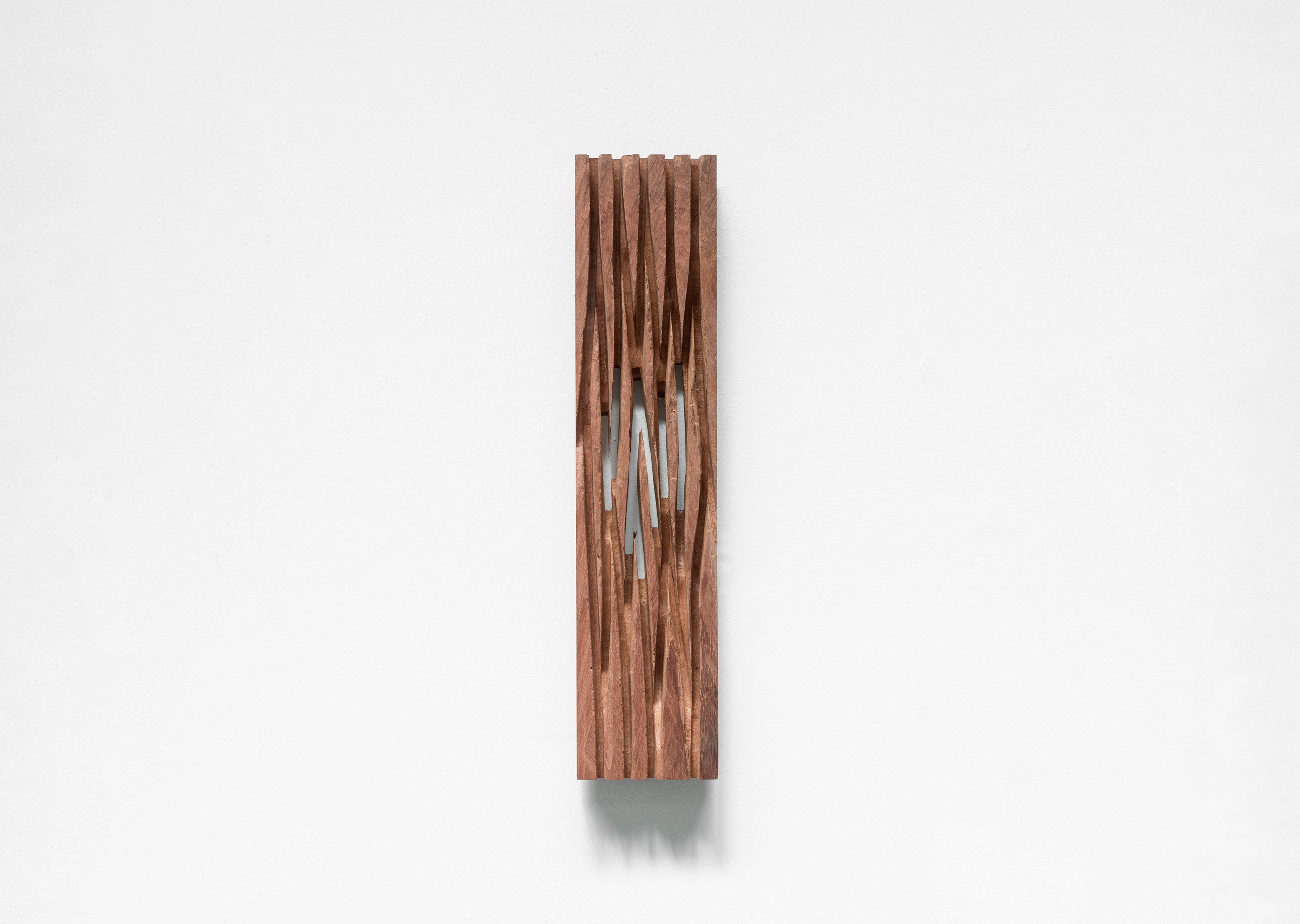
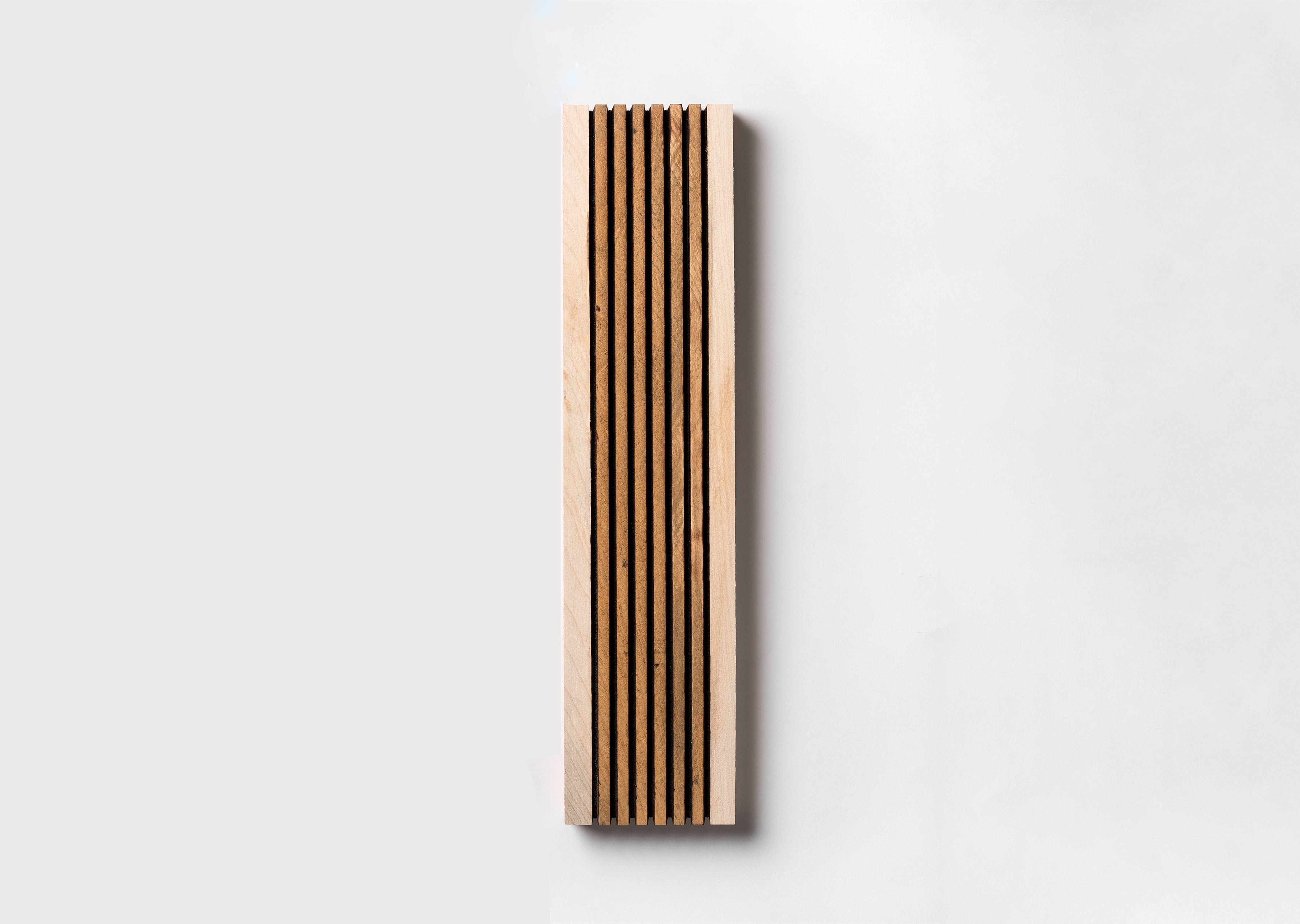
David Nash early dedicated himself to sculpture in wood, letting himself be guided by the trees’ inherent shapes. “Rather than coming up with an idea and trying to find a suitable piece, I have always allowed the material to seduce me. Everything comes from the tree, from its shape and its essence.” He uses a variety of “tools”, from axe and chainsaw to fire and water. Often, he lets his sculpture be transformed by the seasons, integrating it into a natural evolutionary cycle.
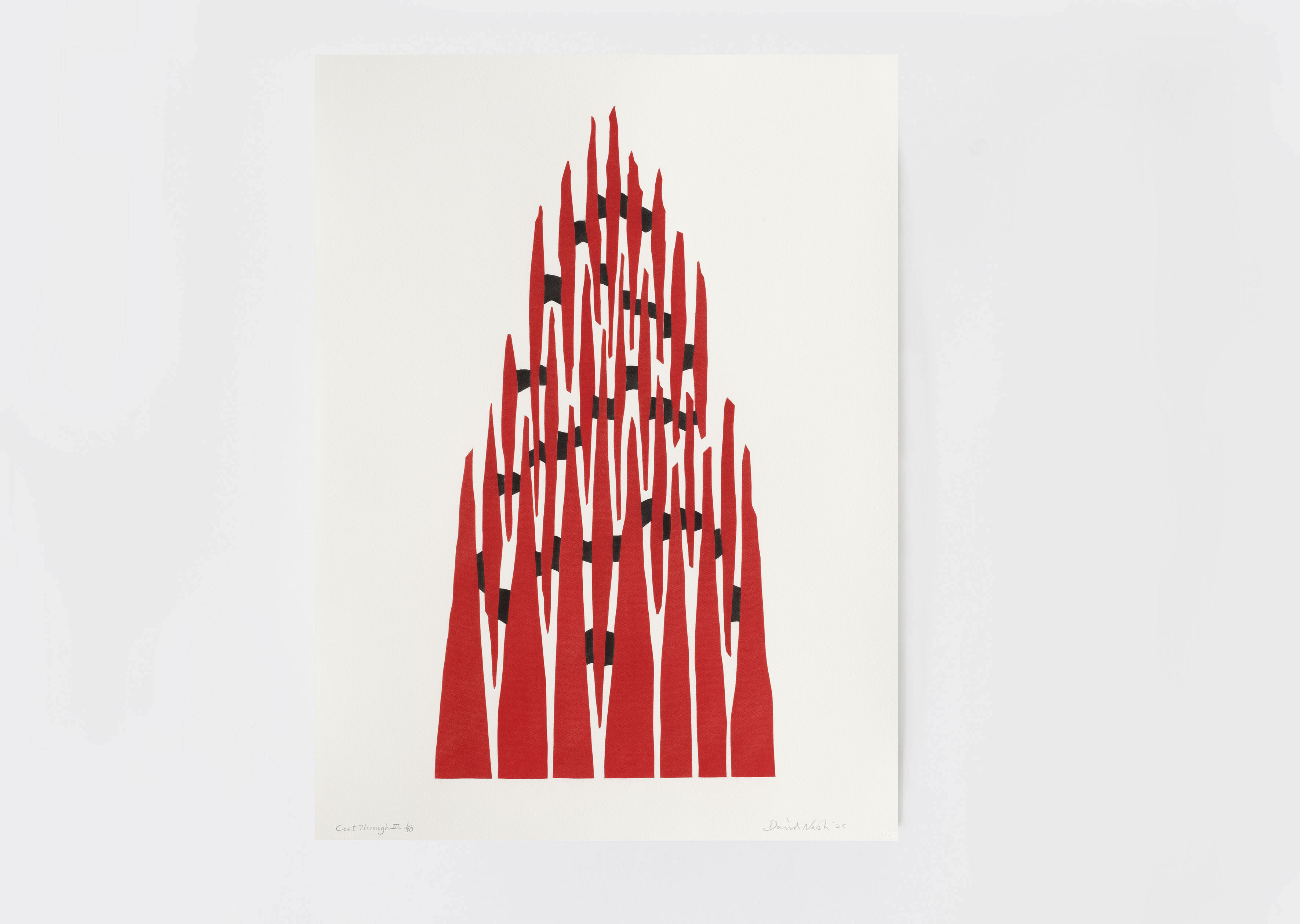
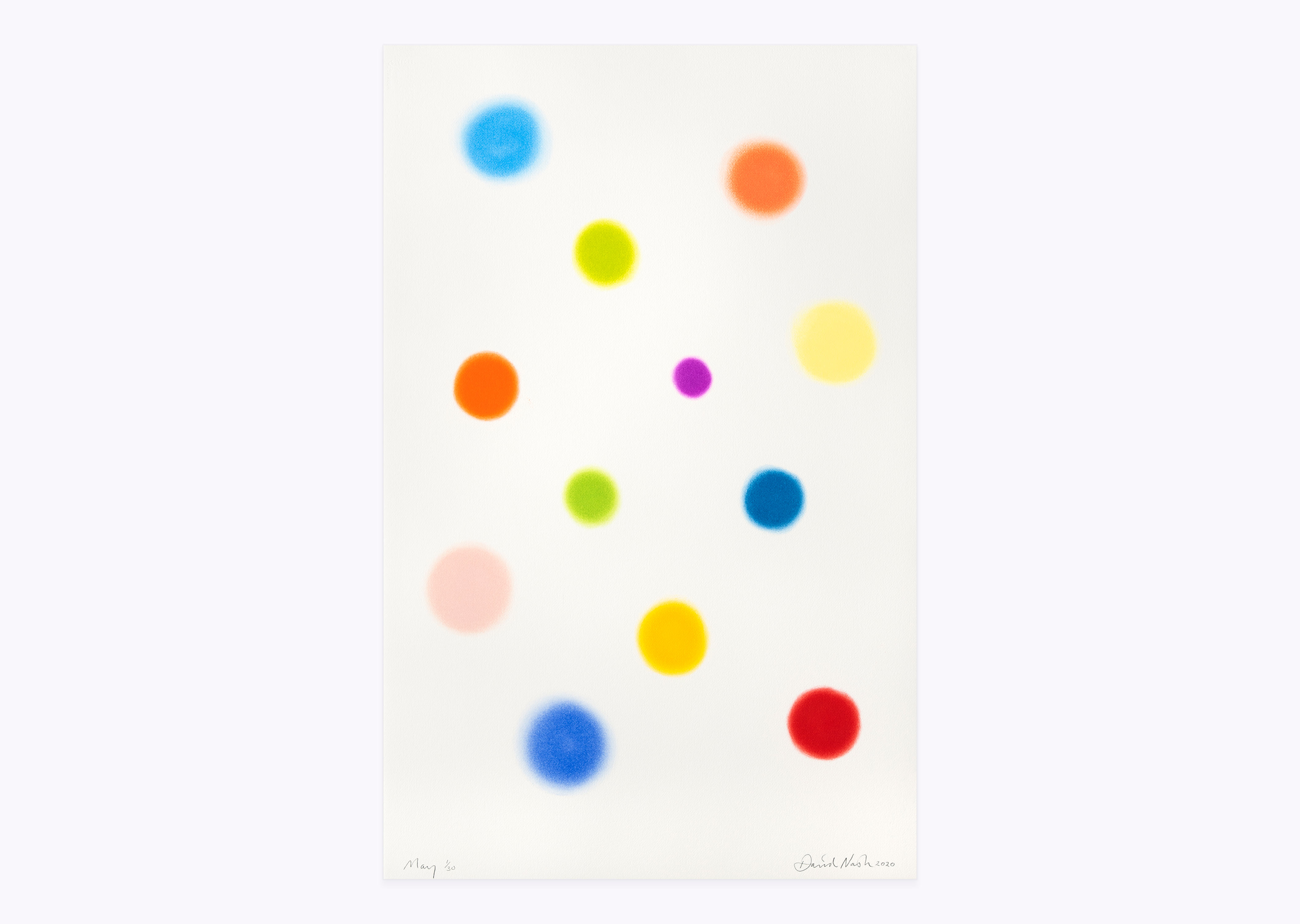
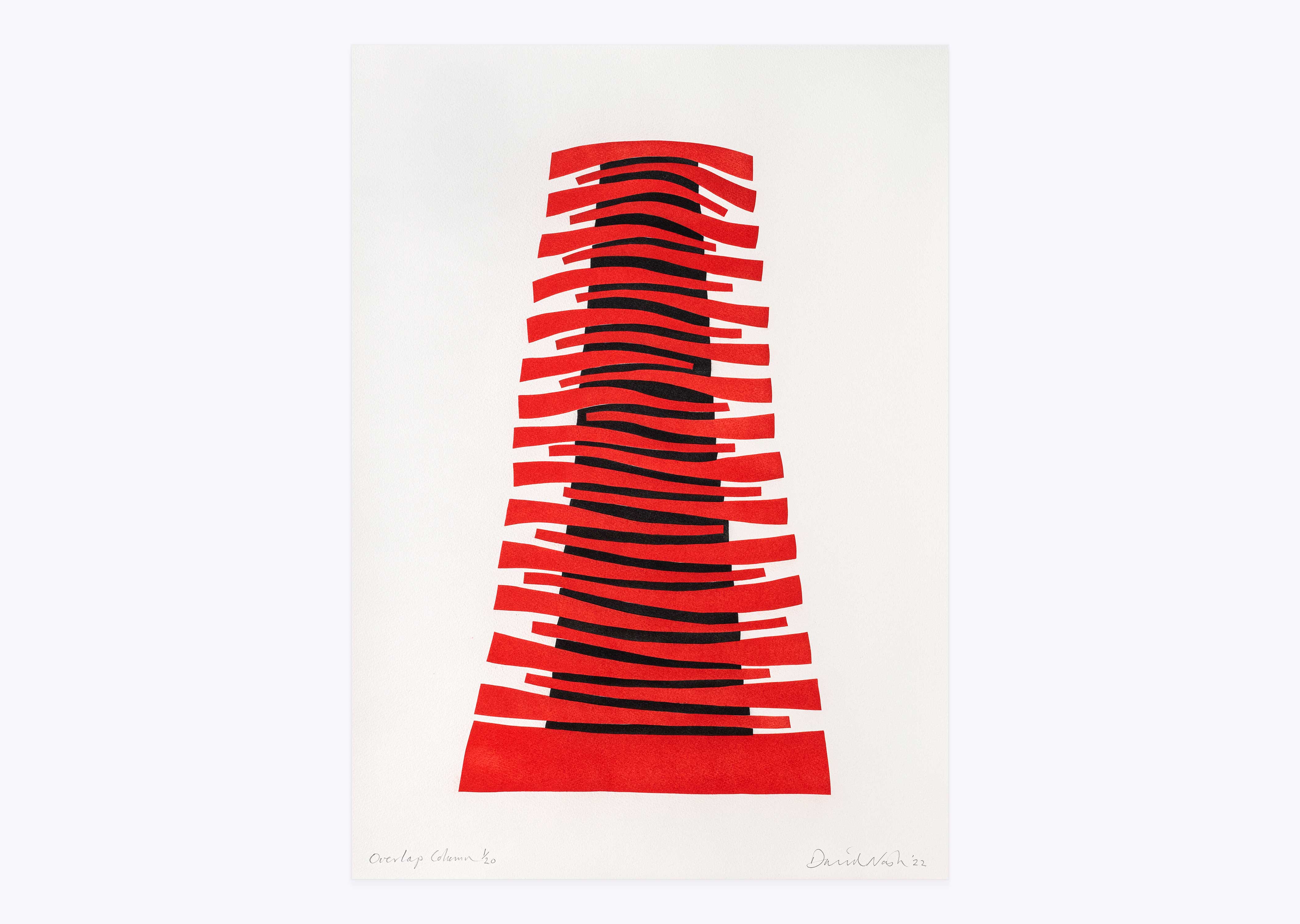
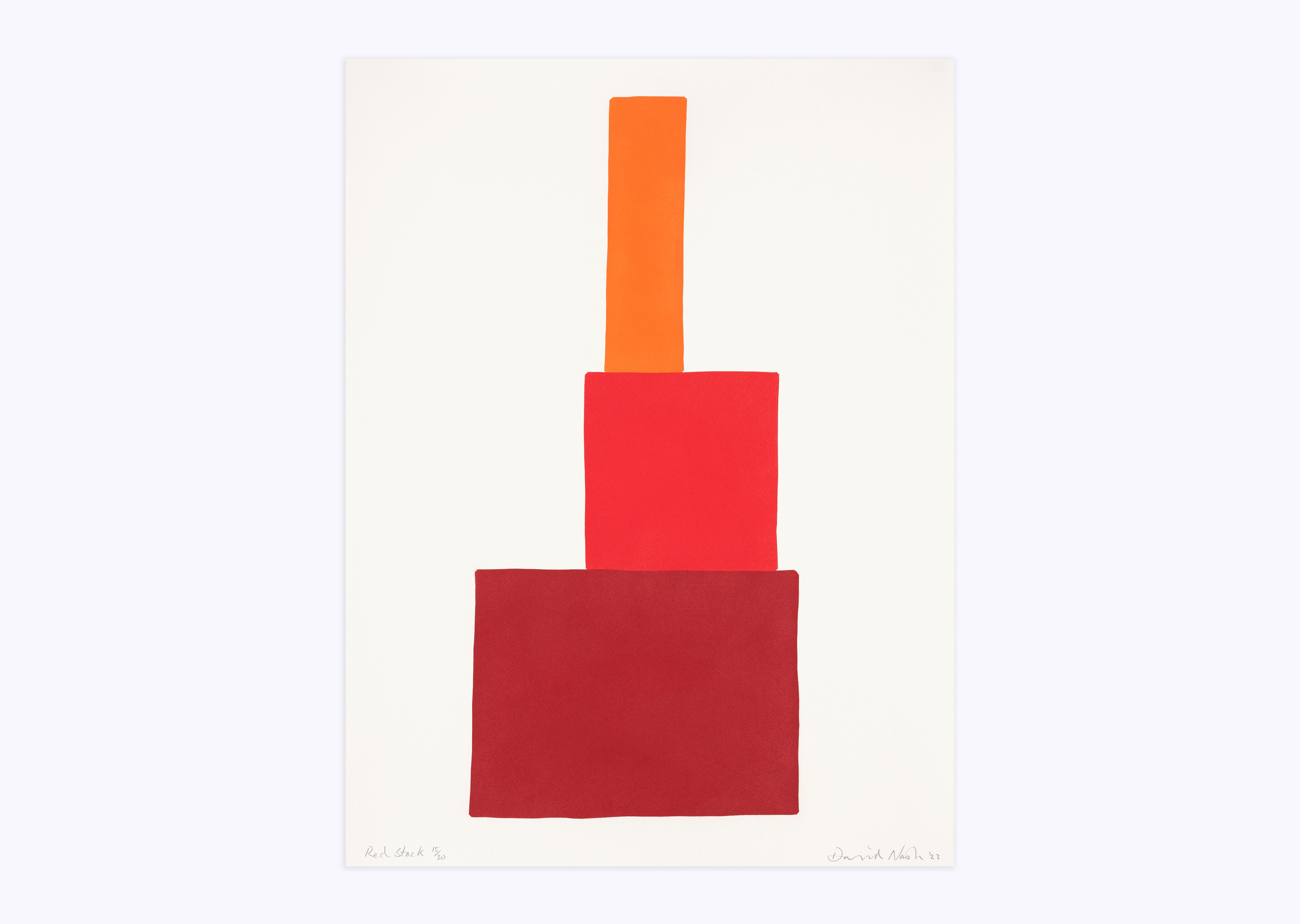
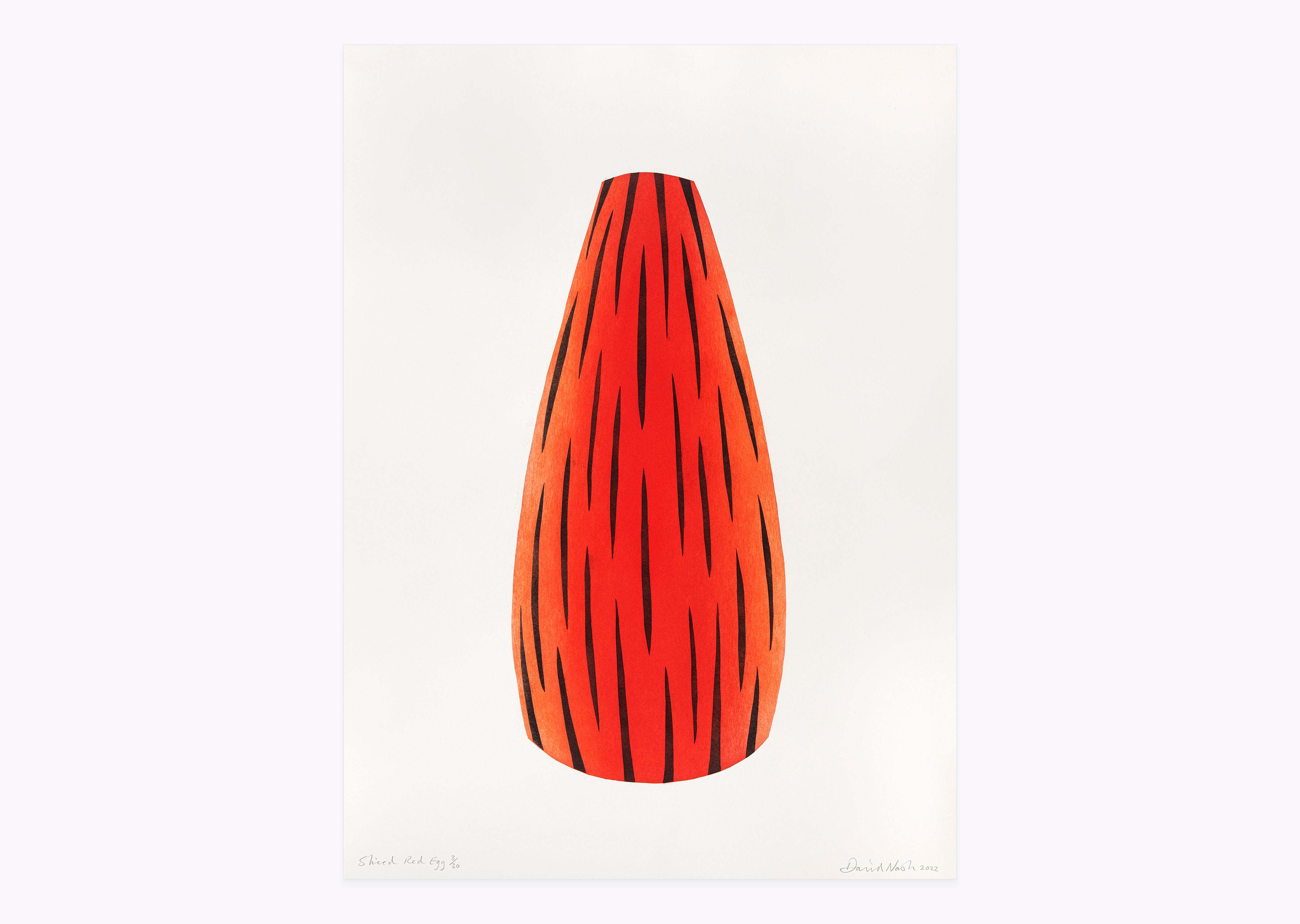
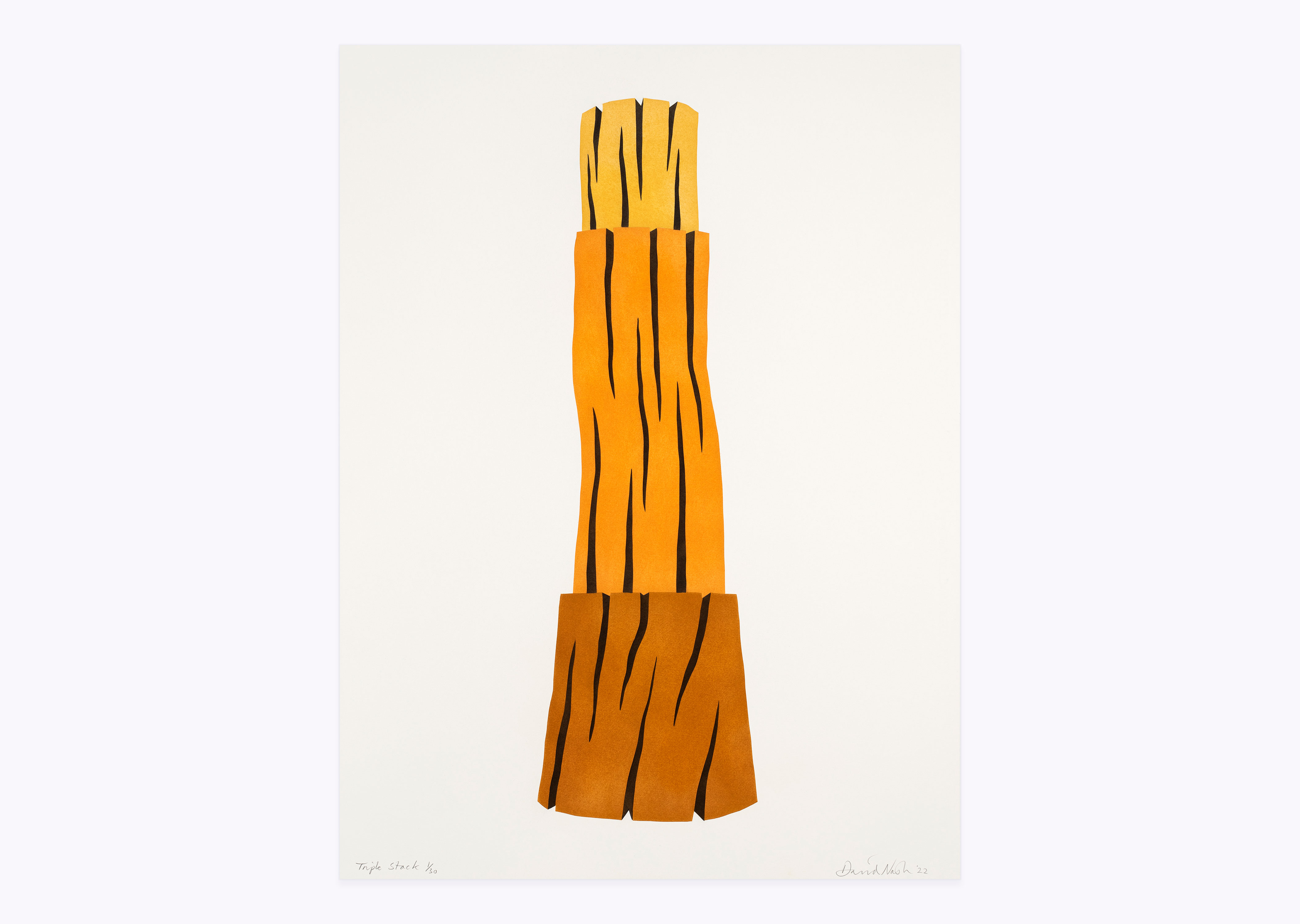
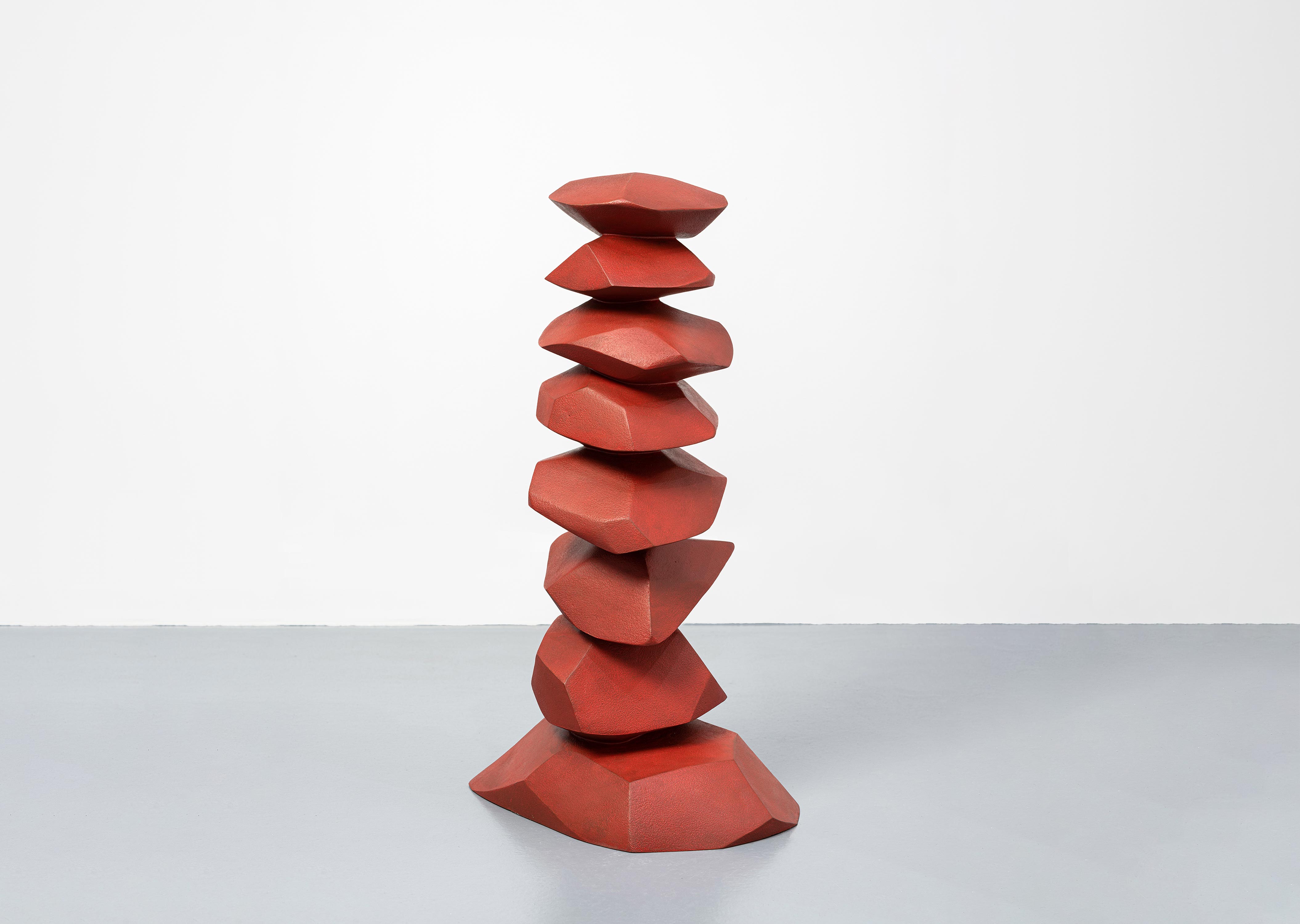
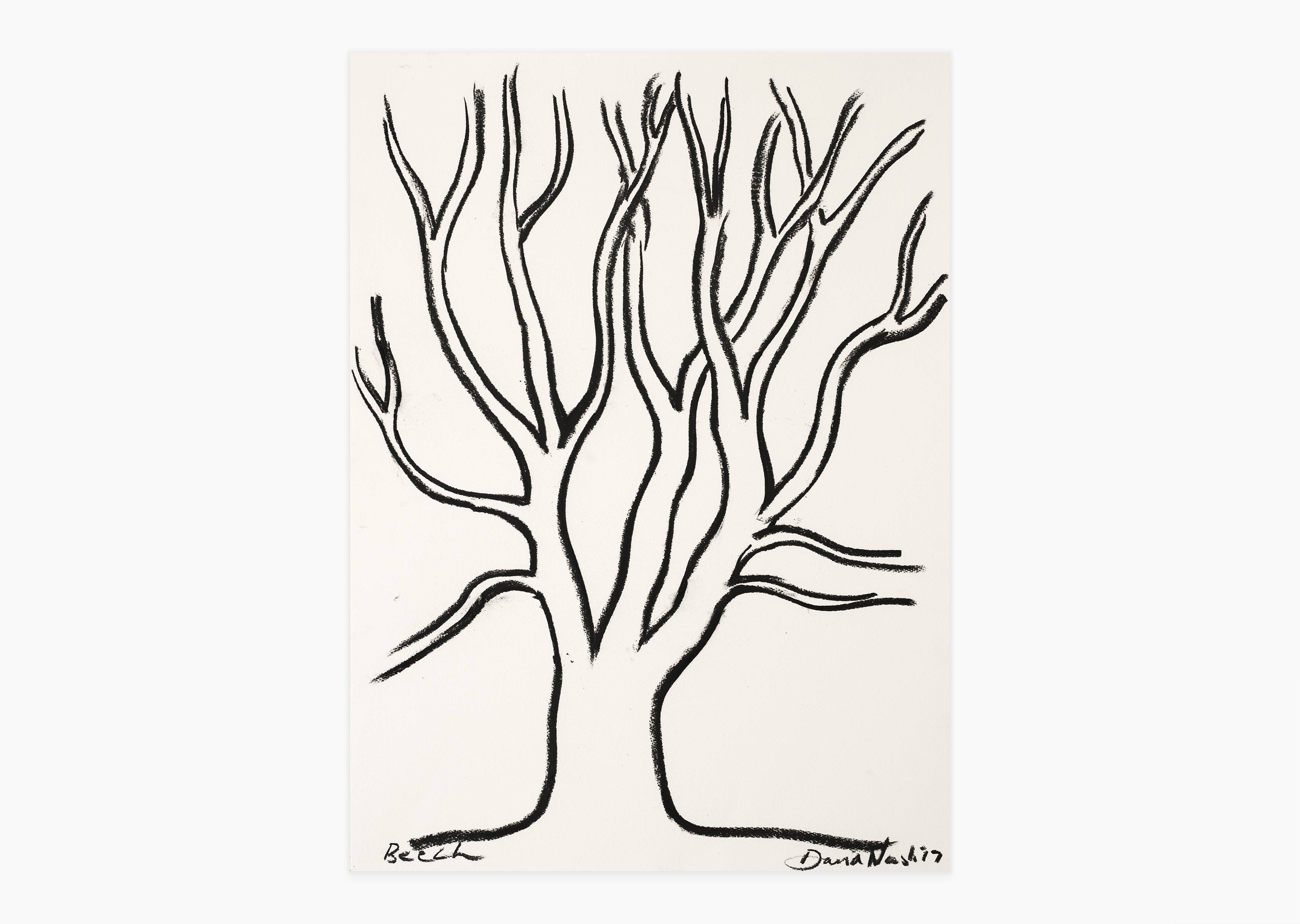
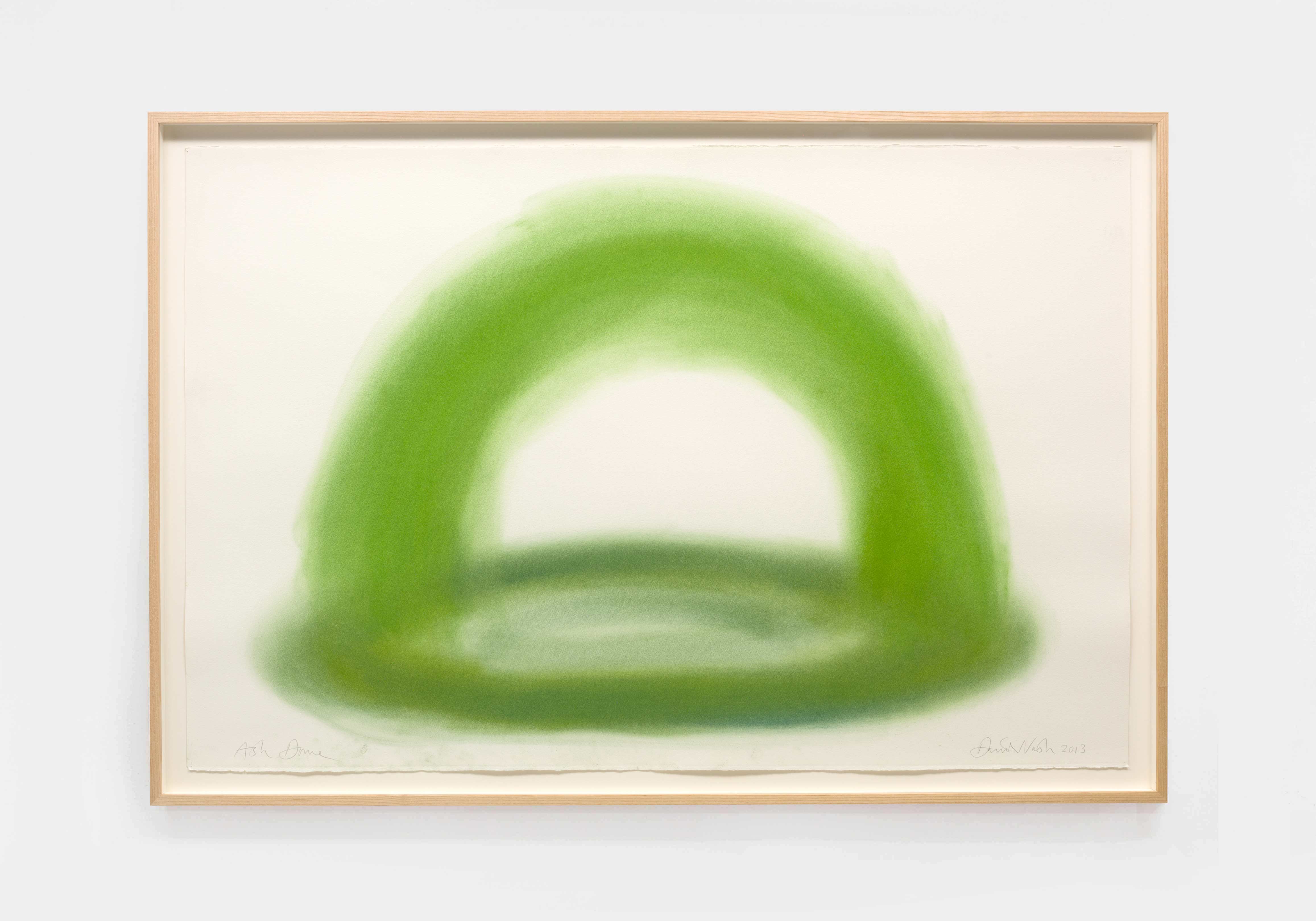
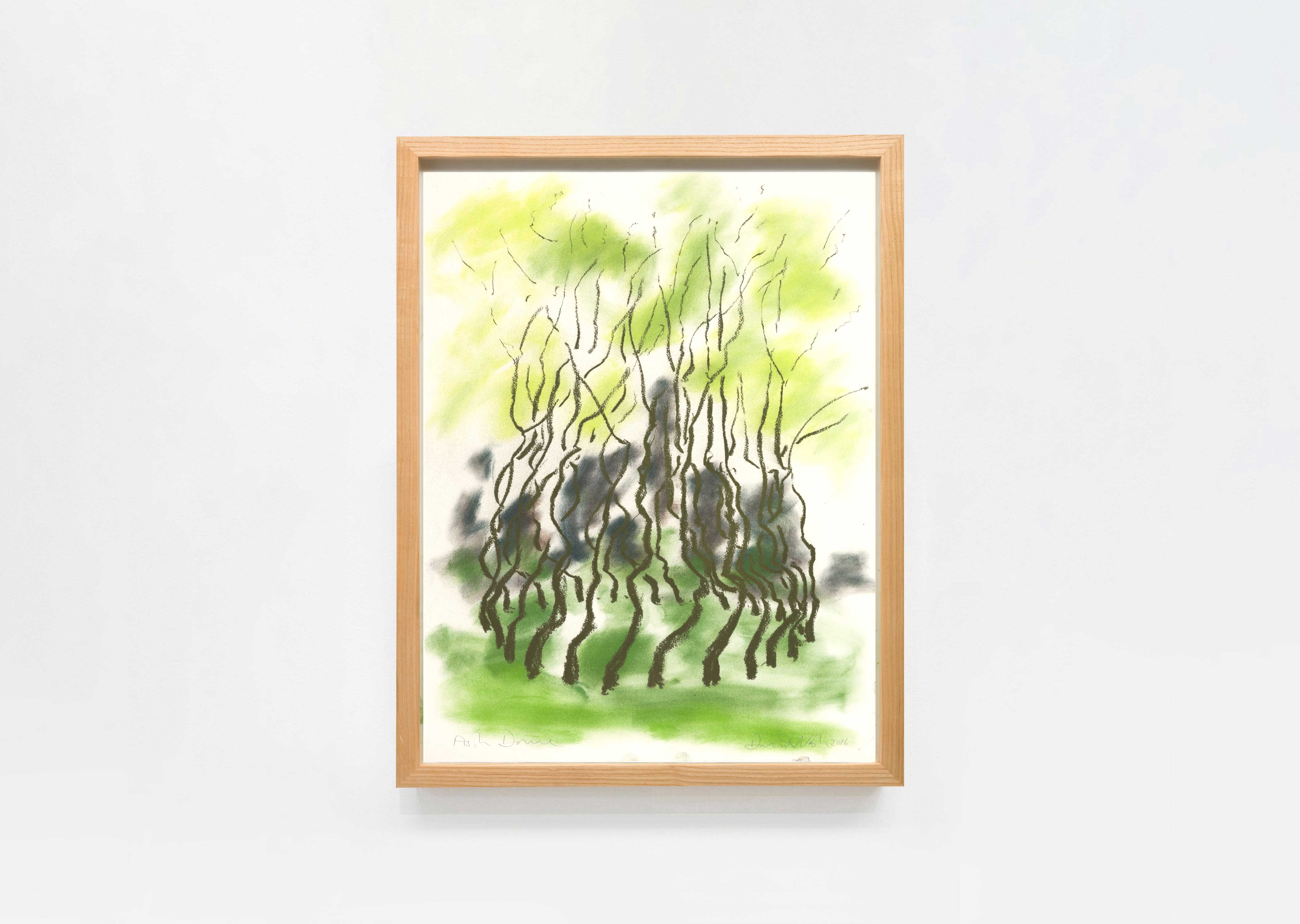
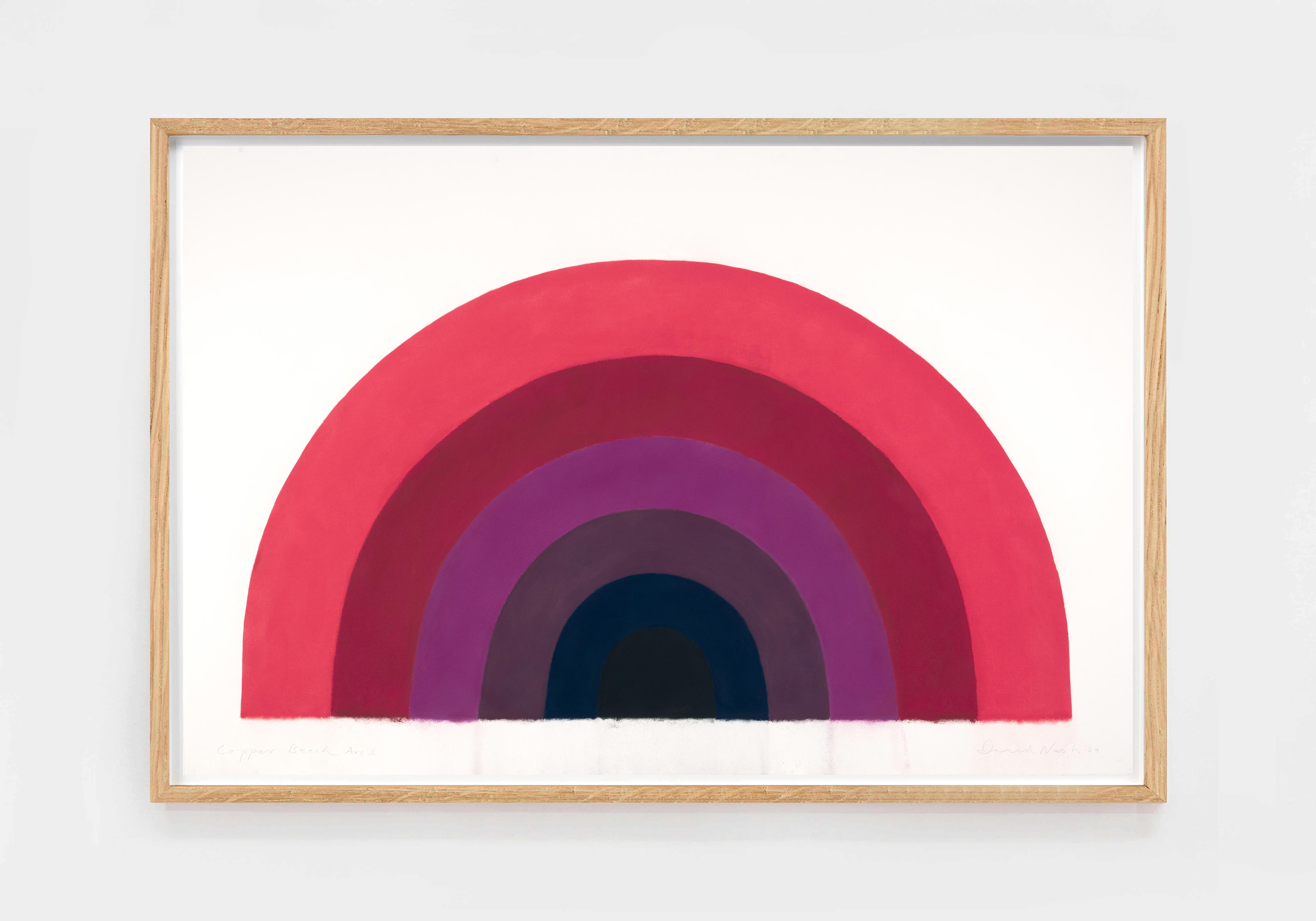
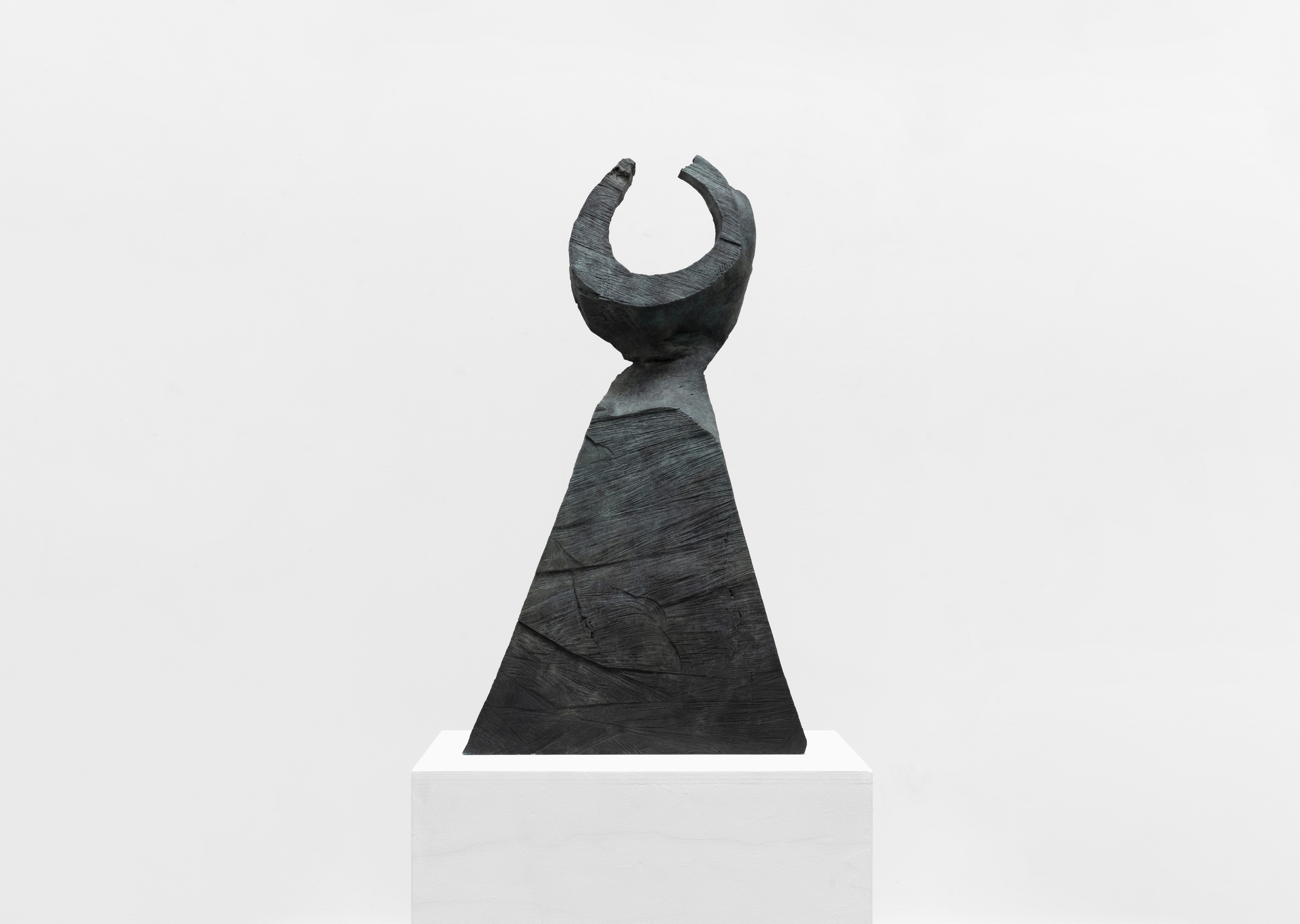
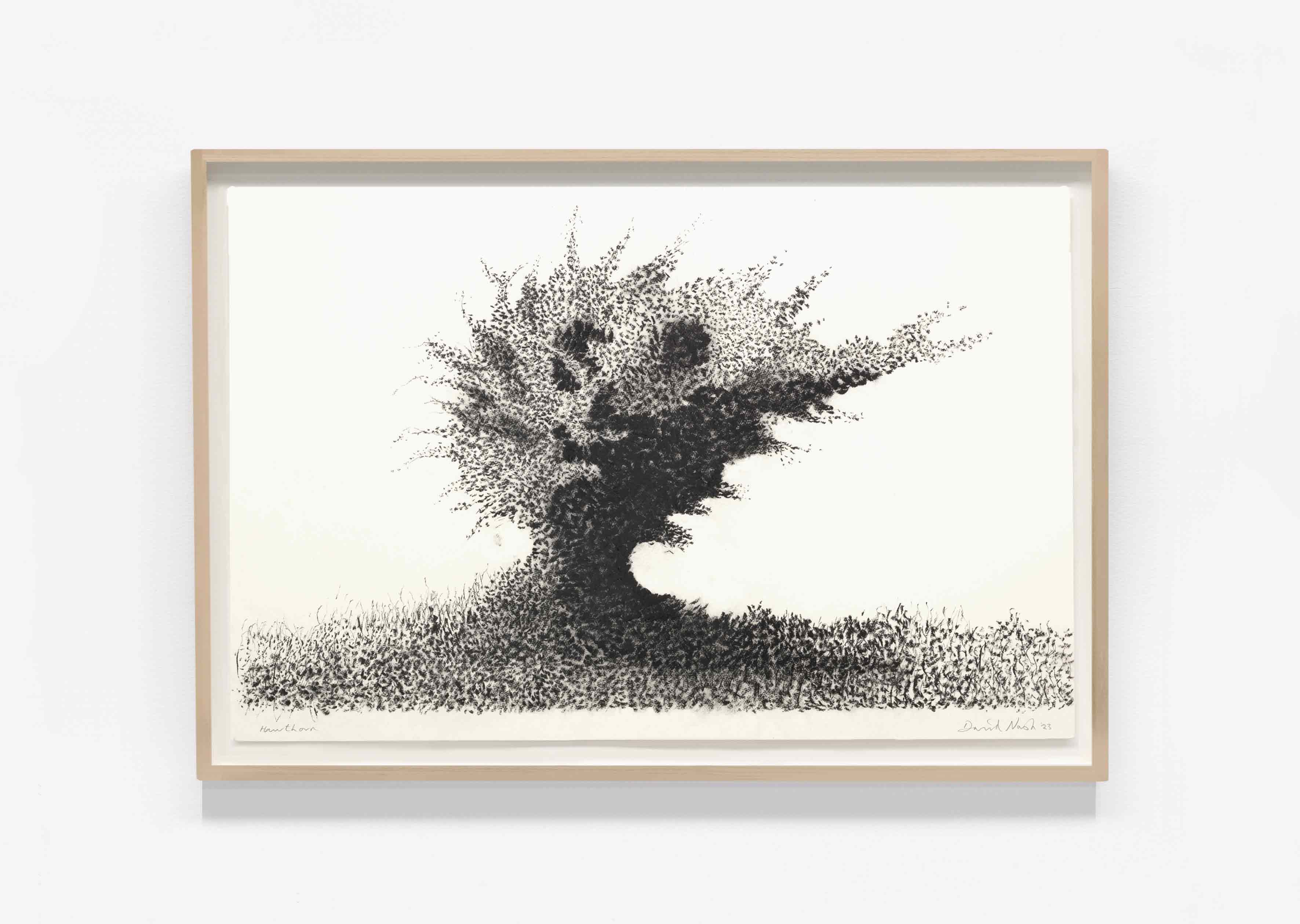
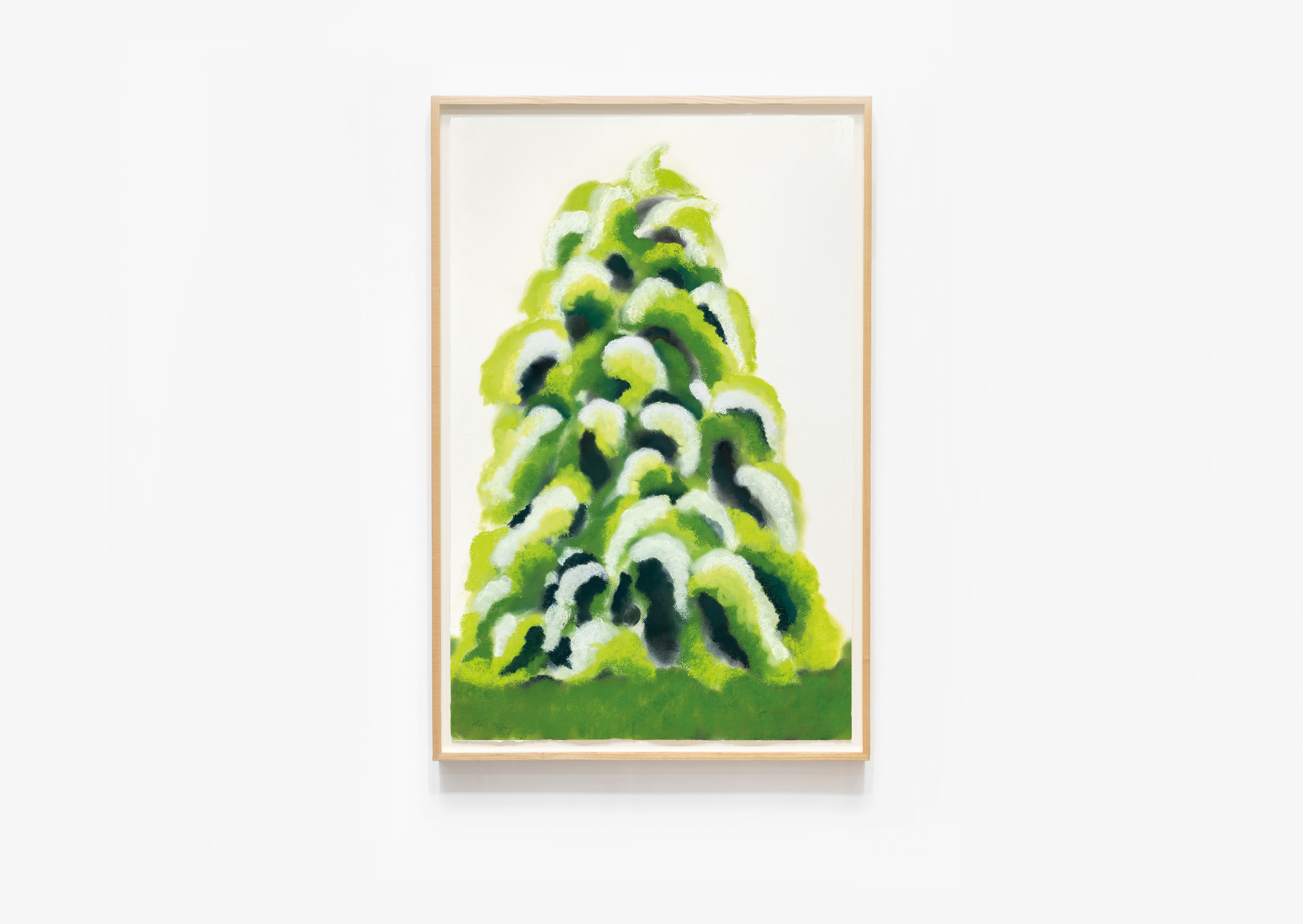
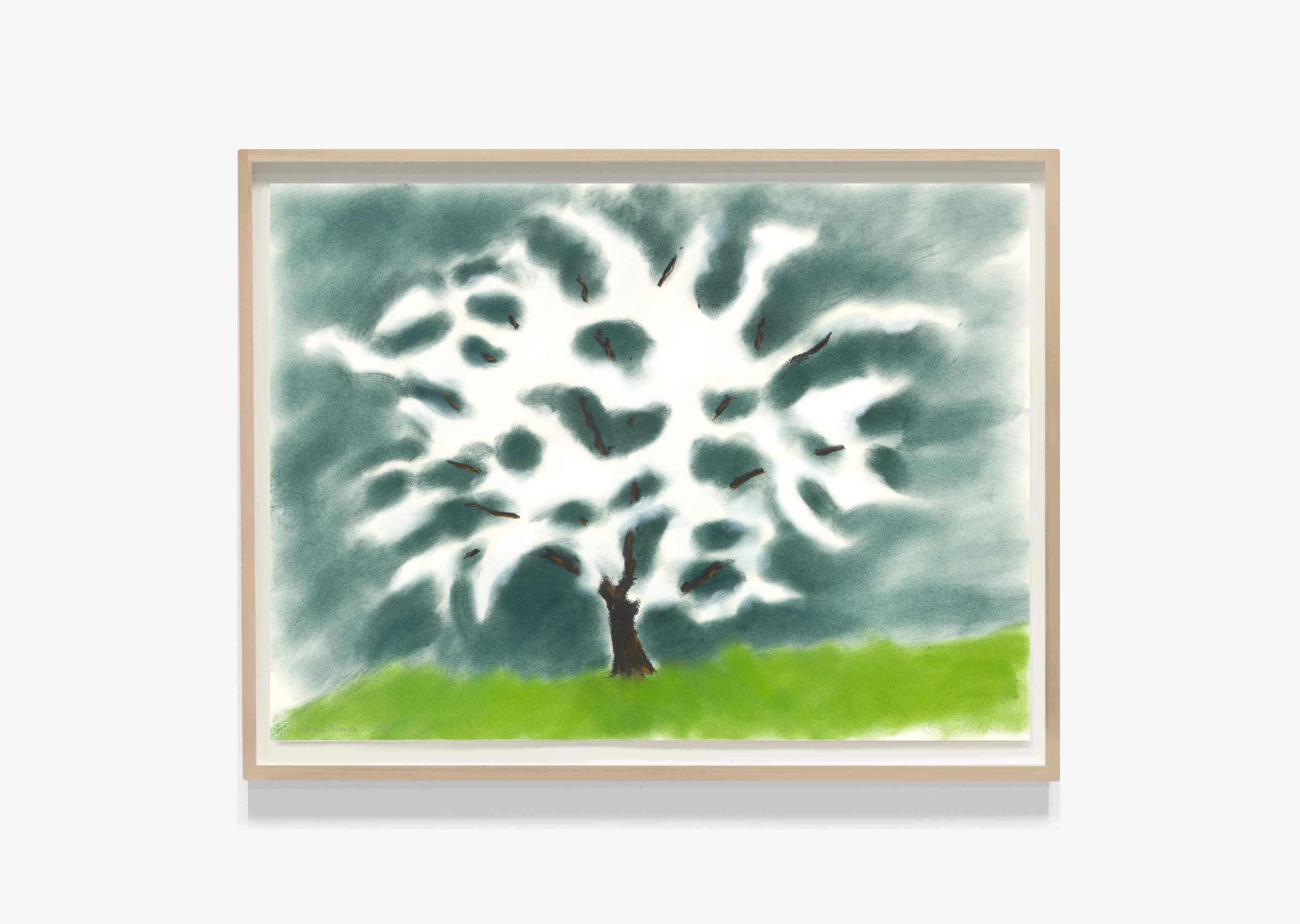
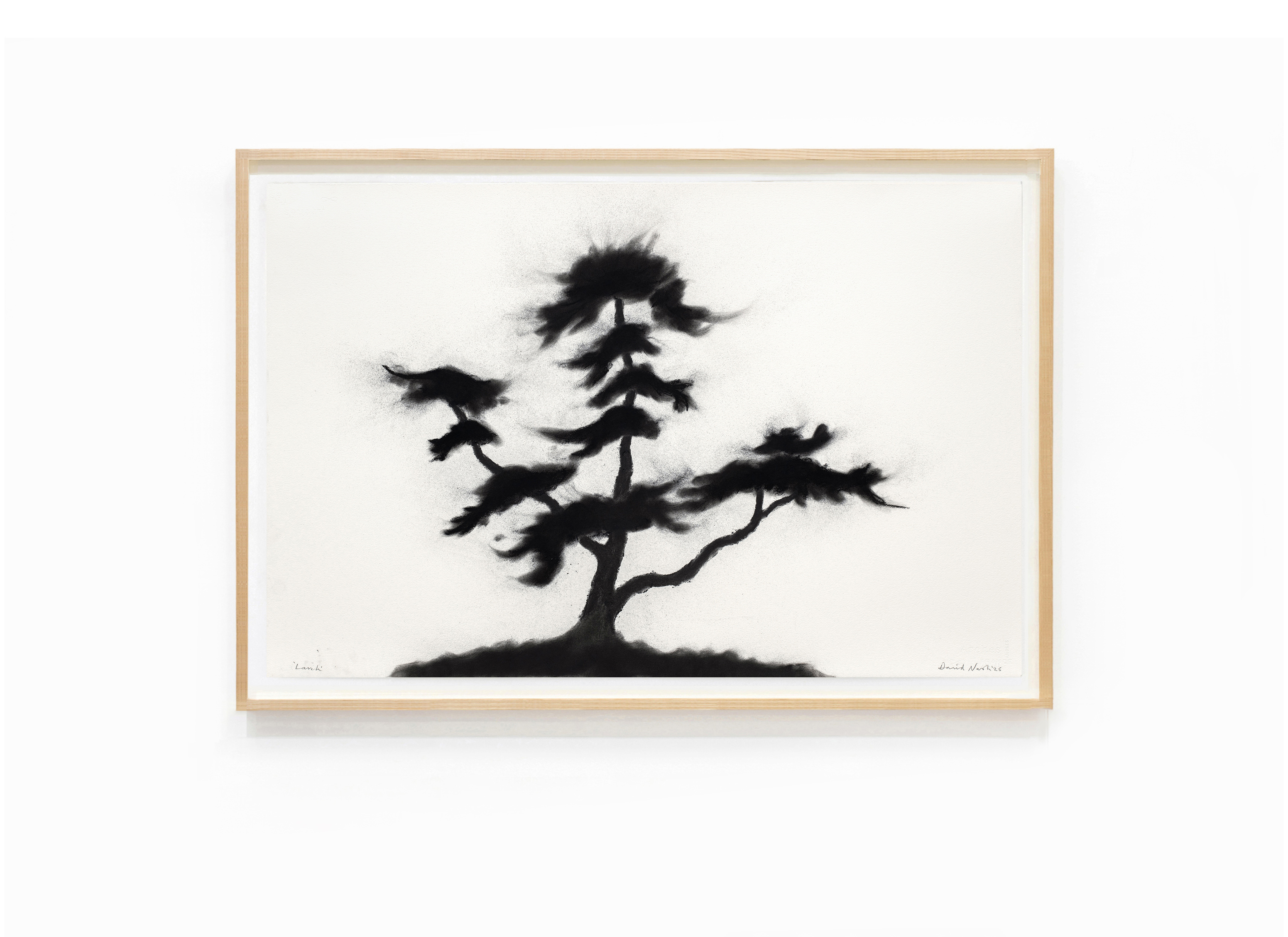
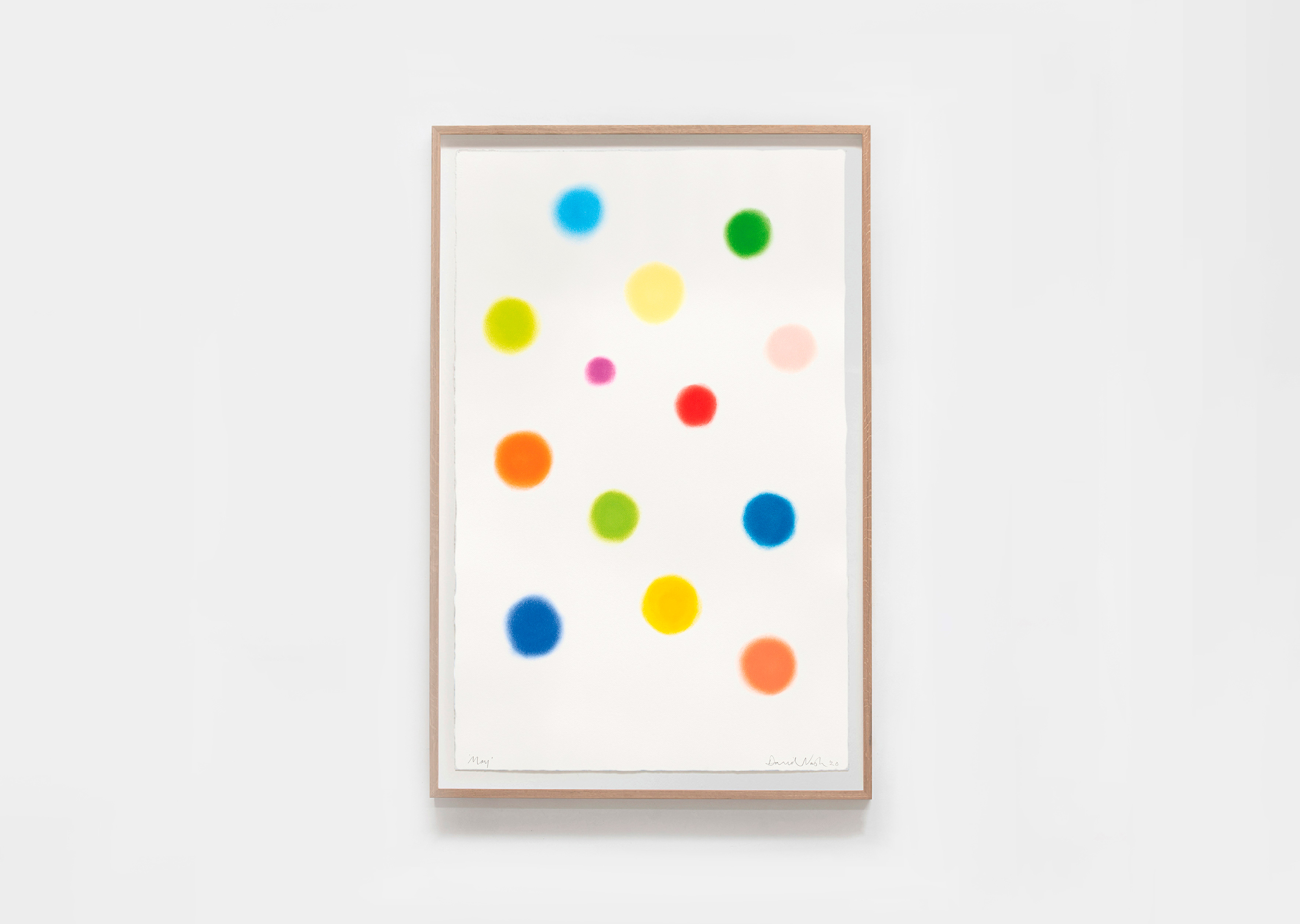
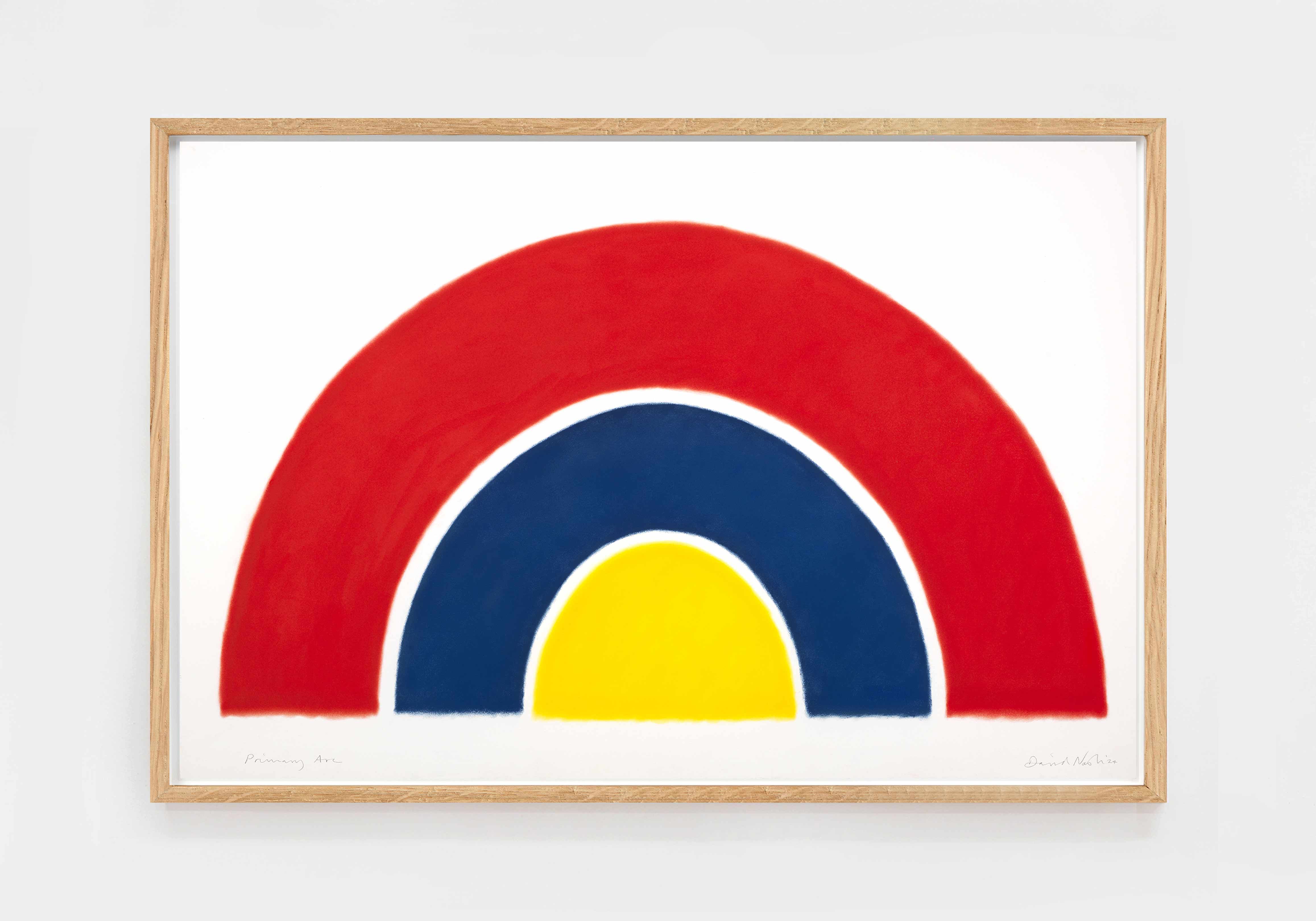
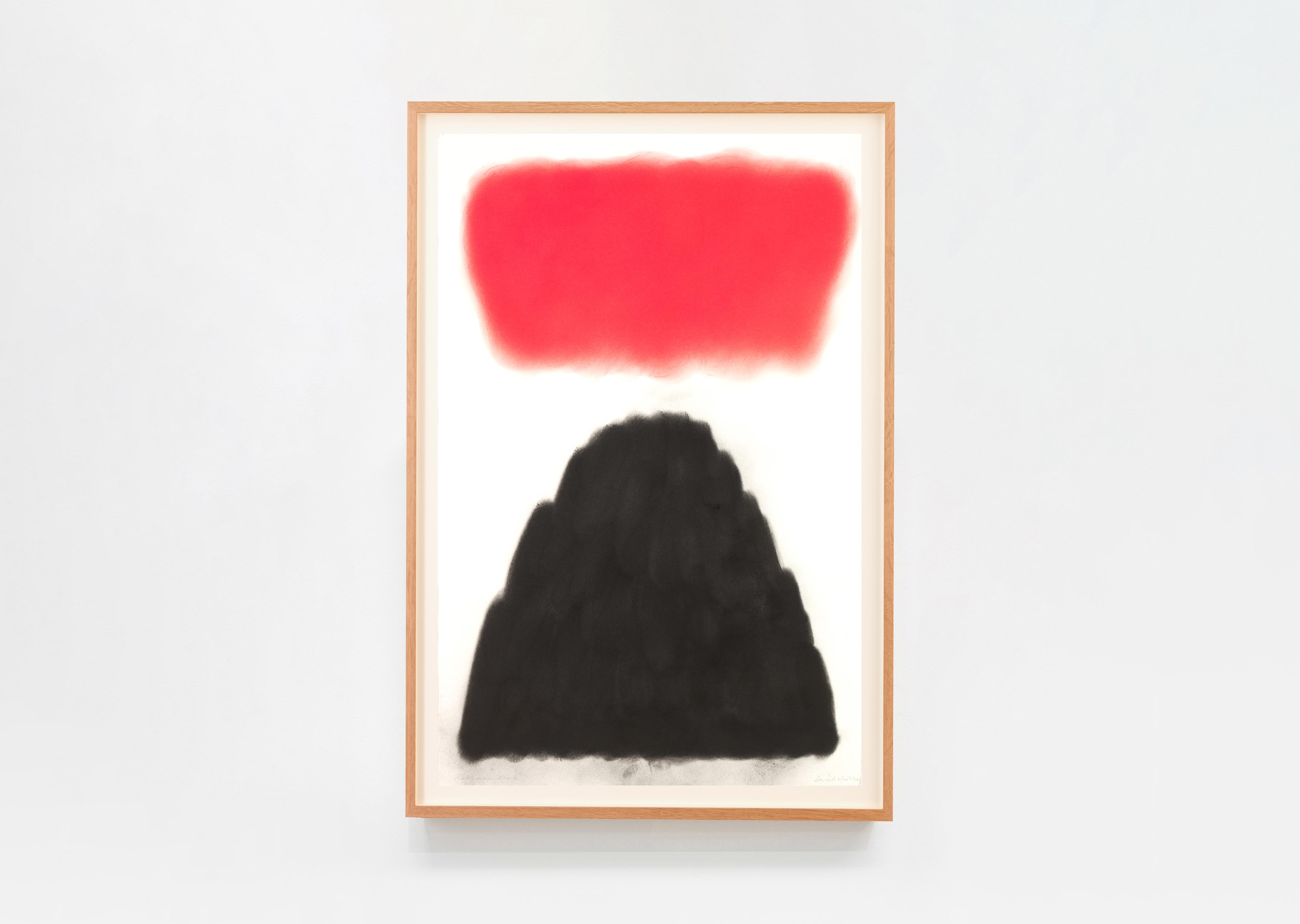
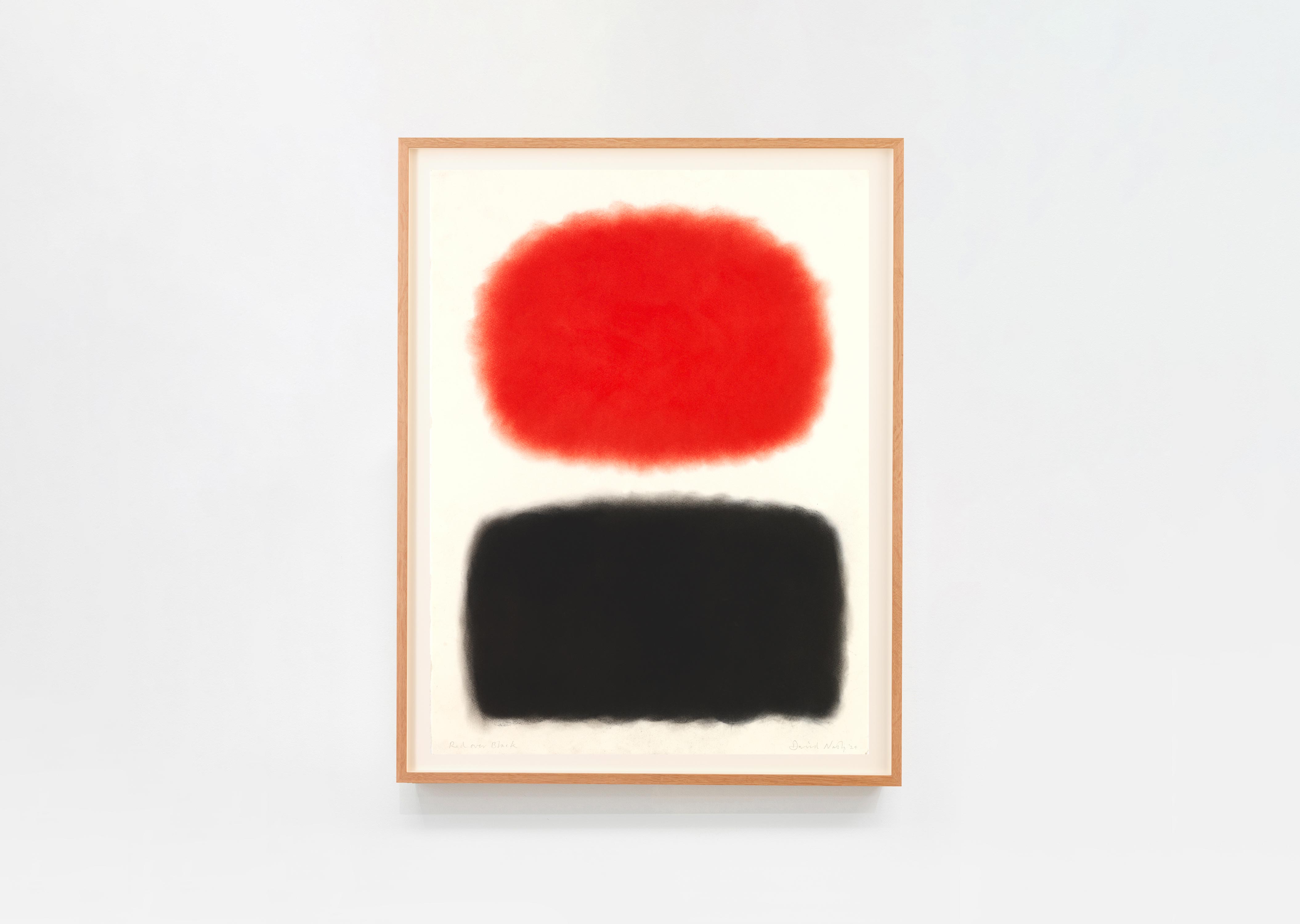
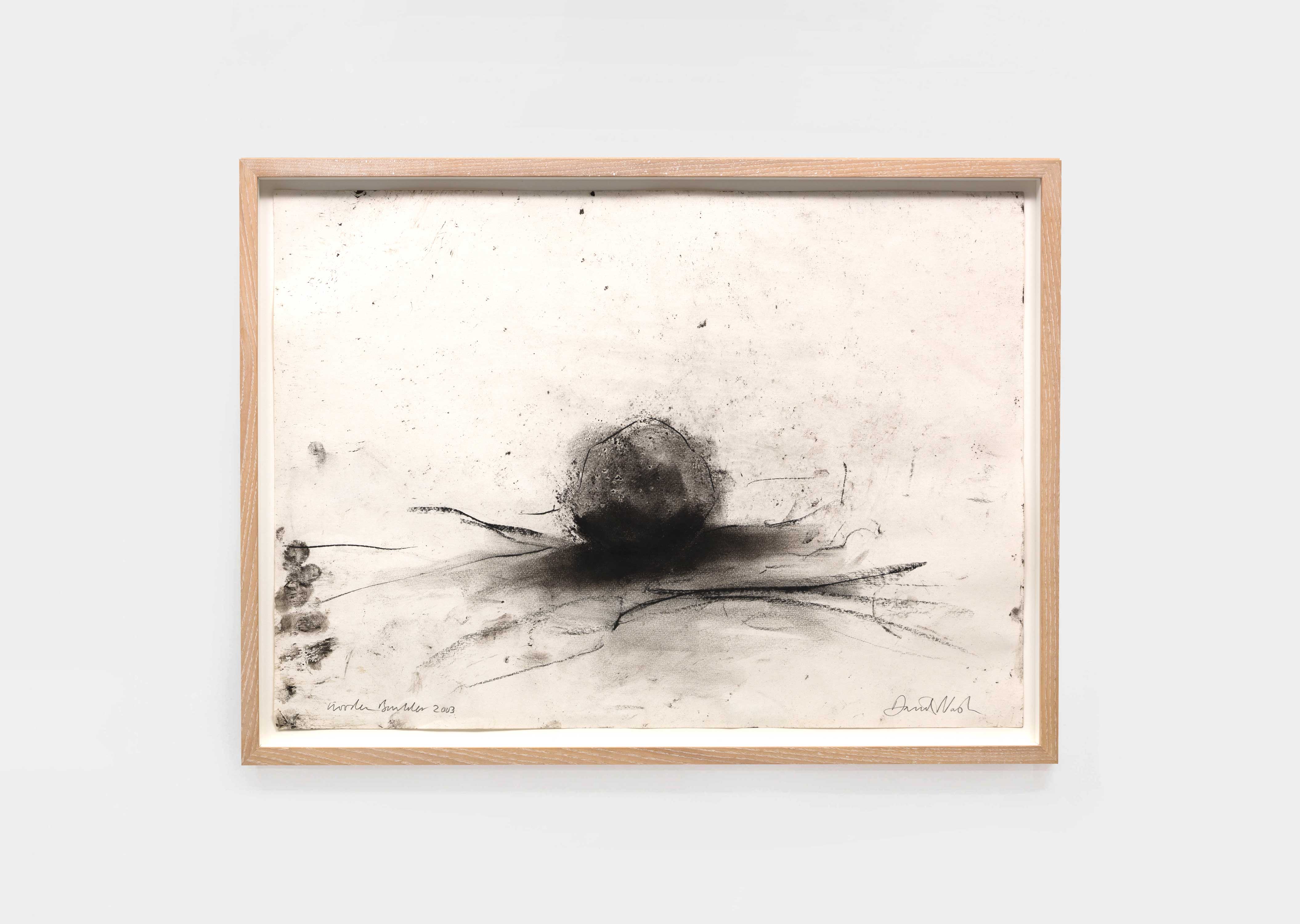
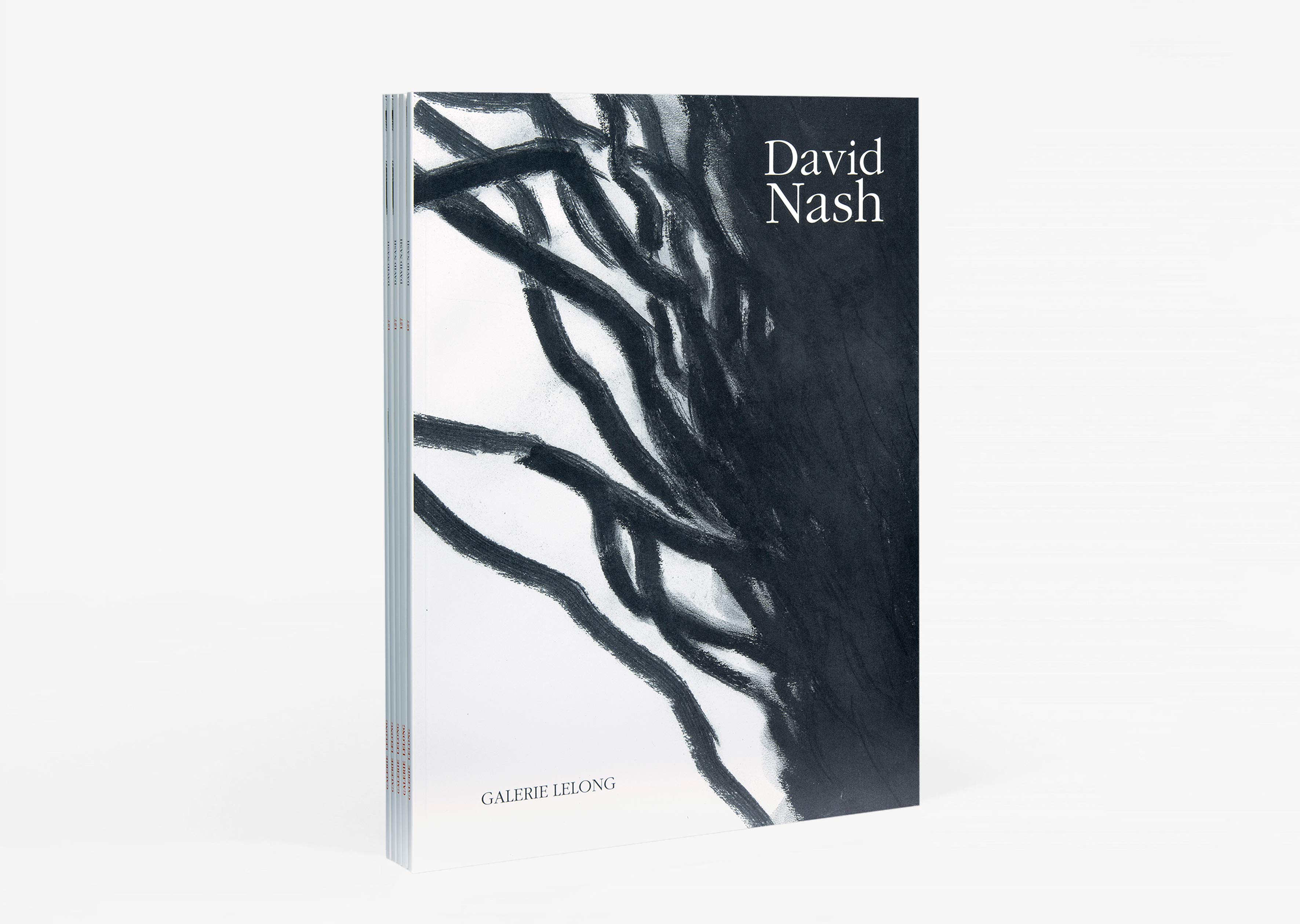
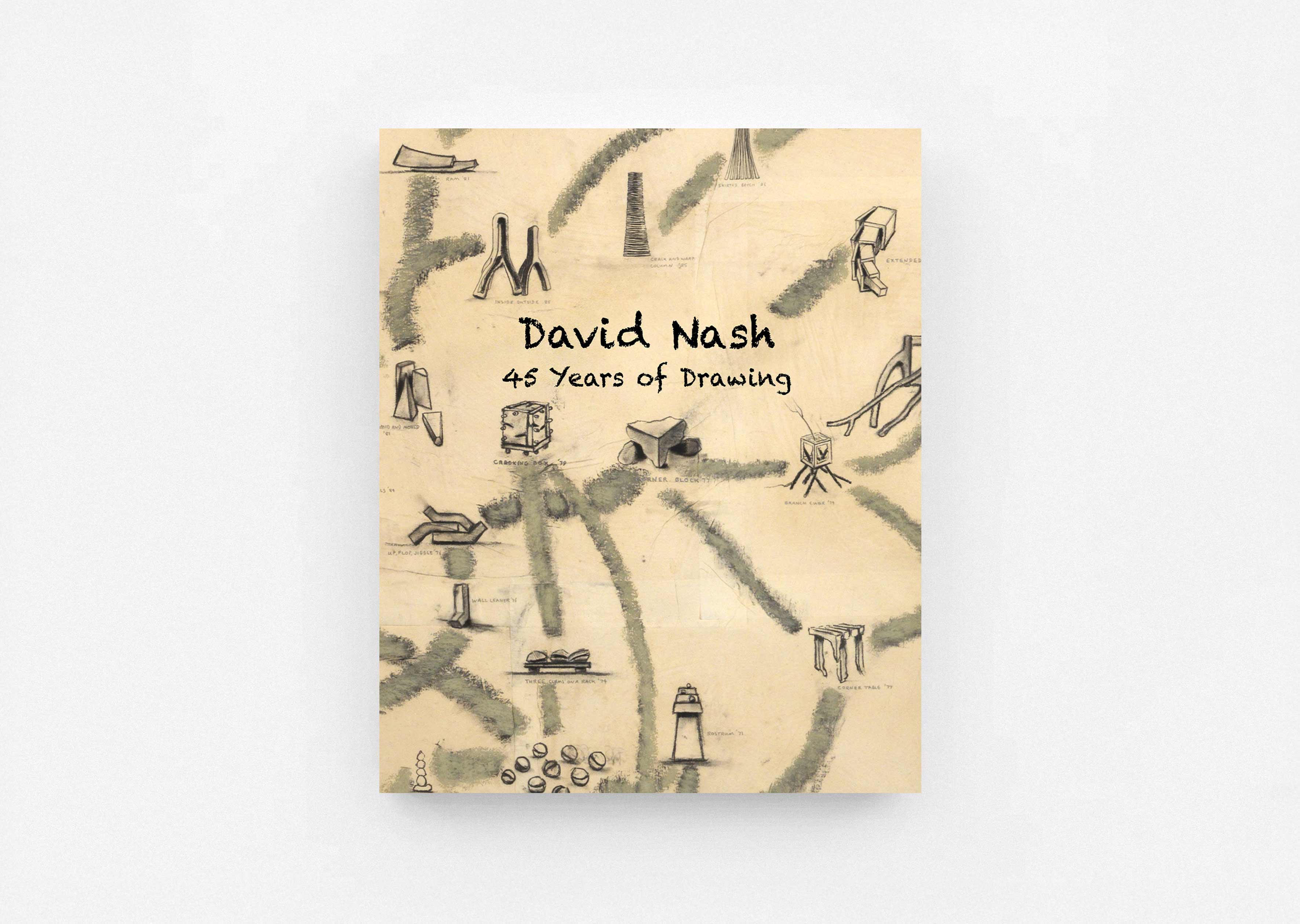
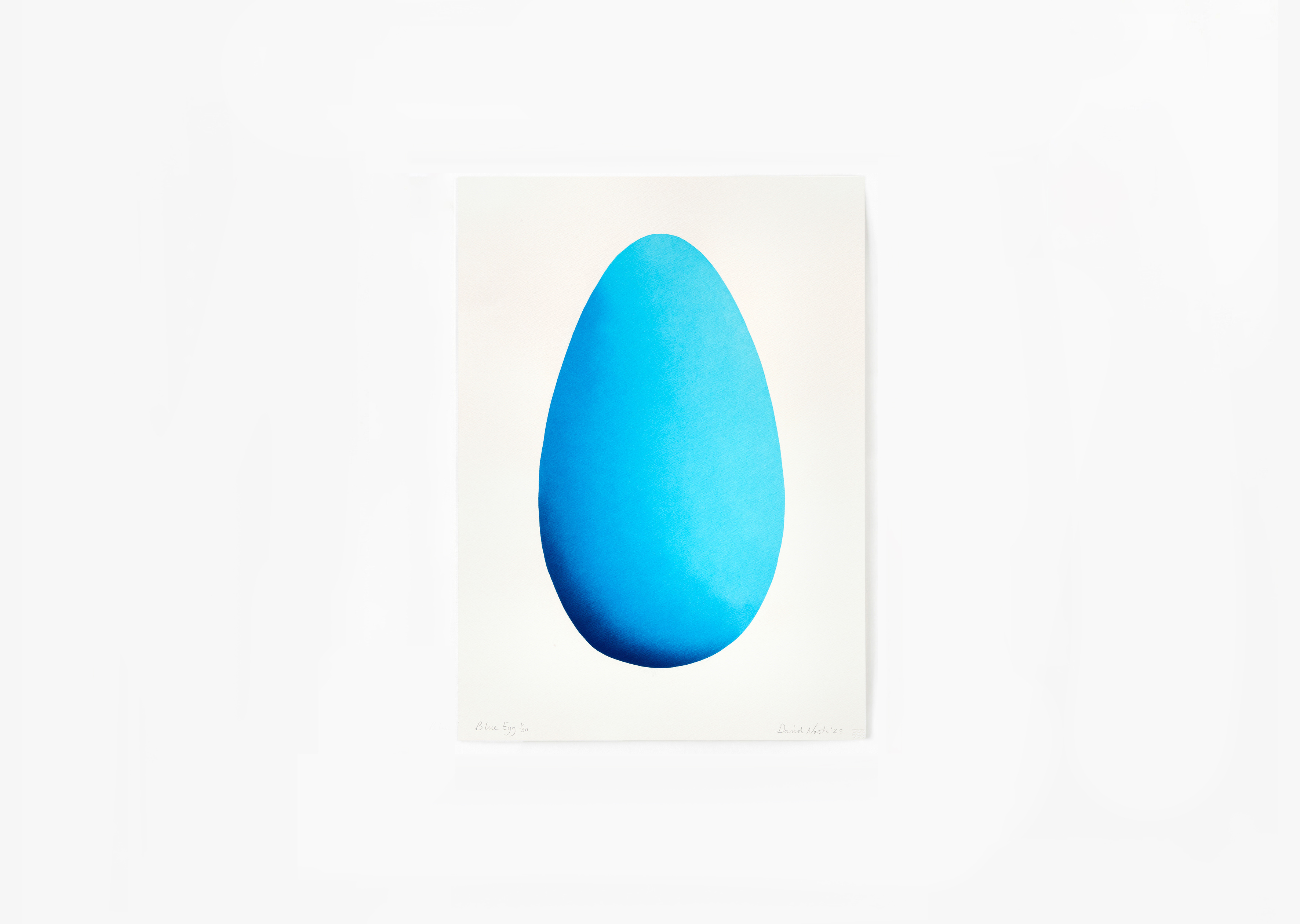
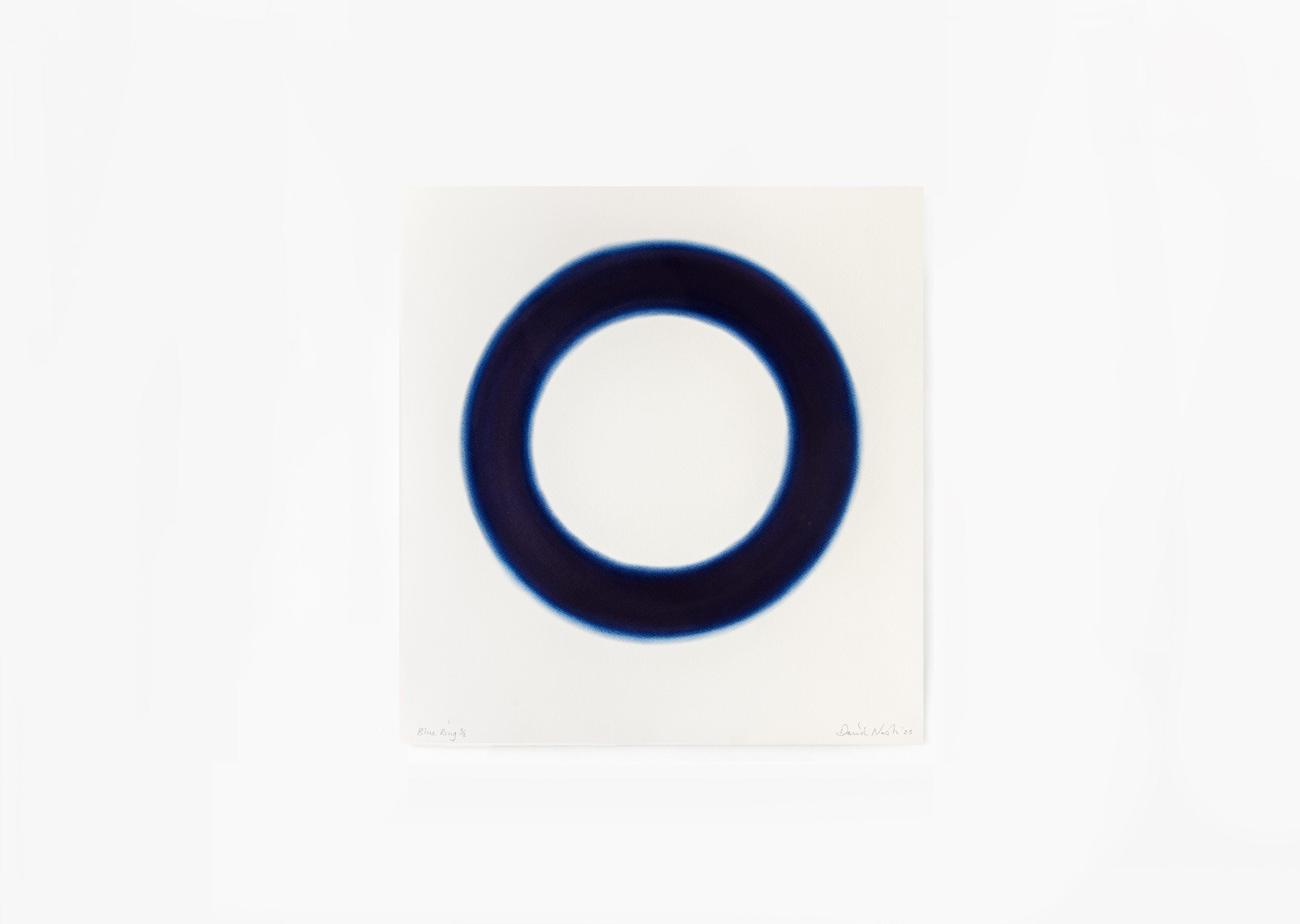
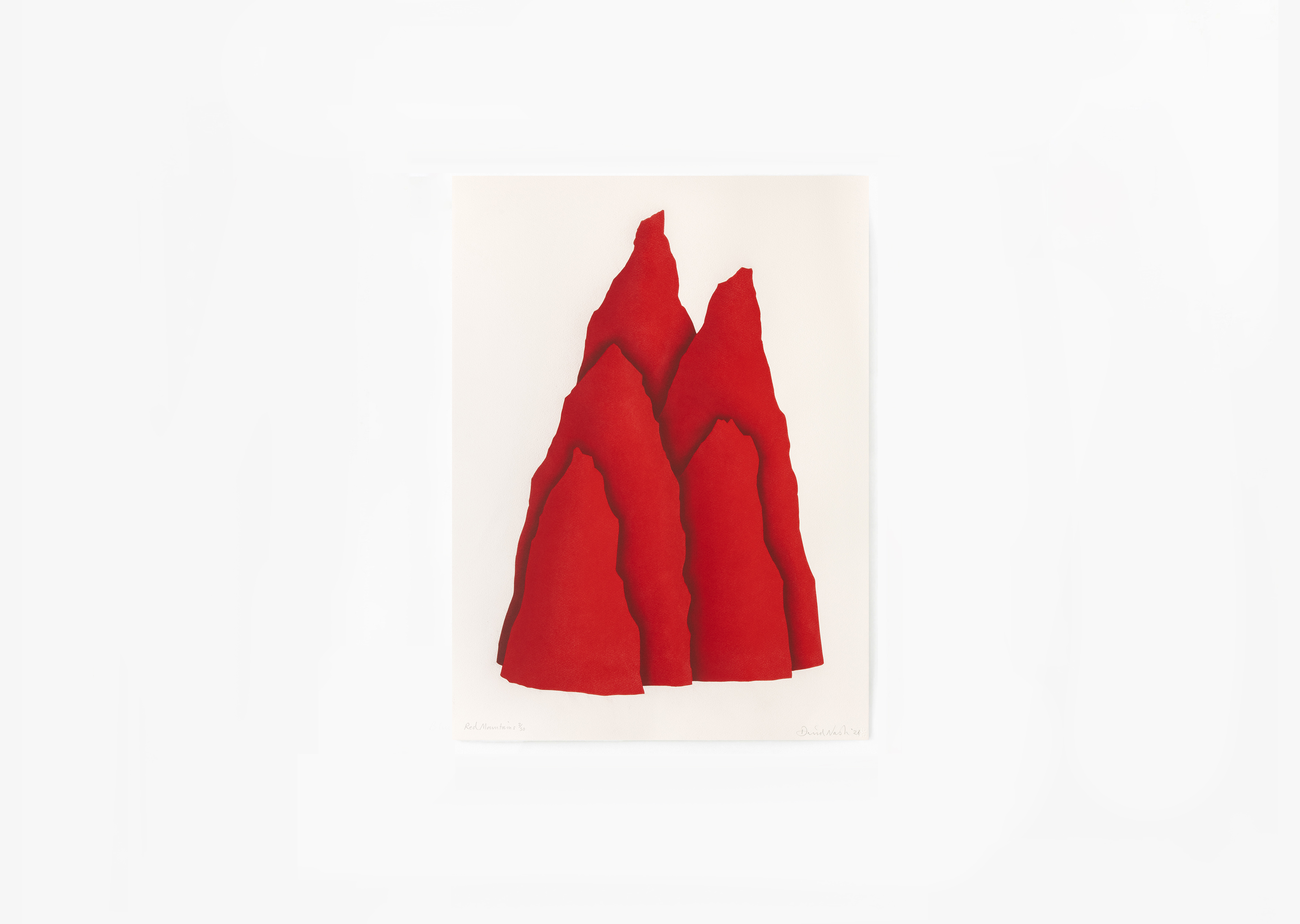
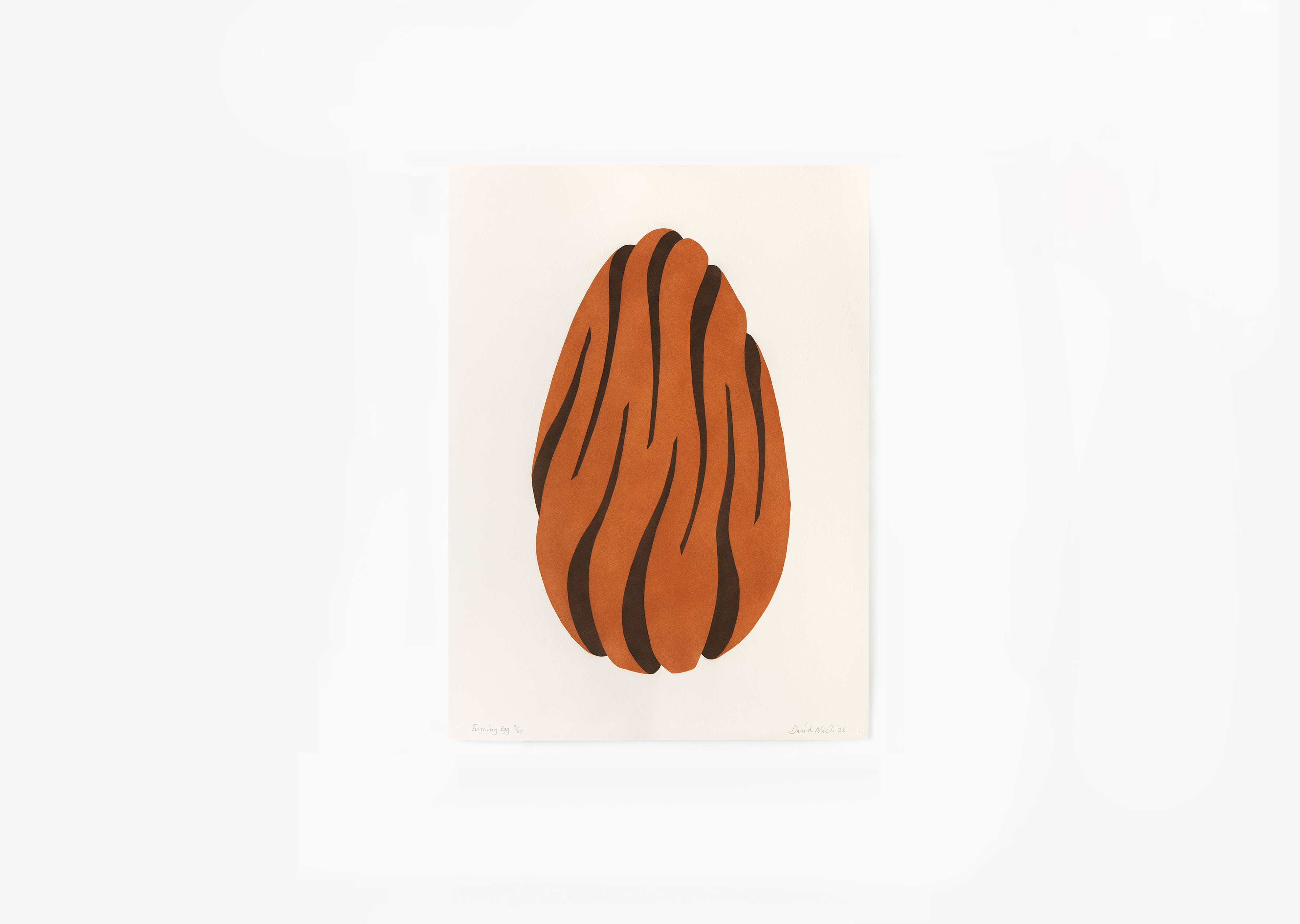
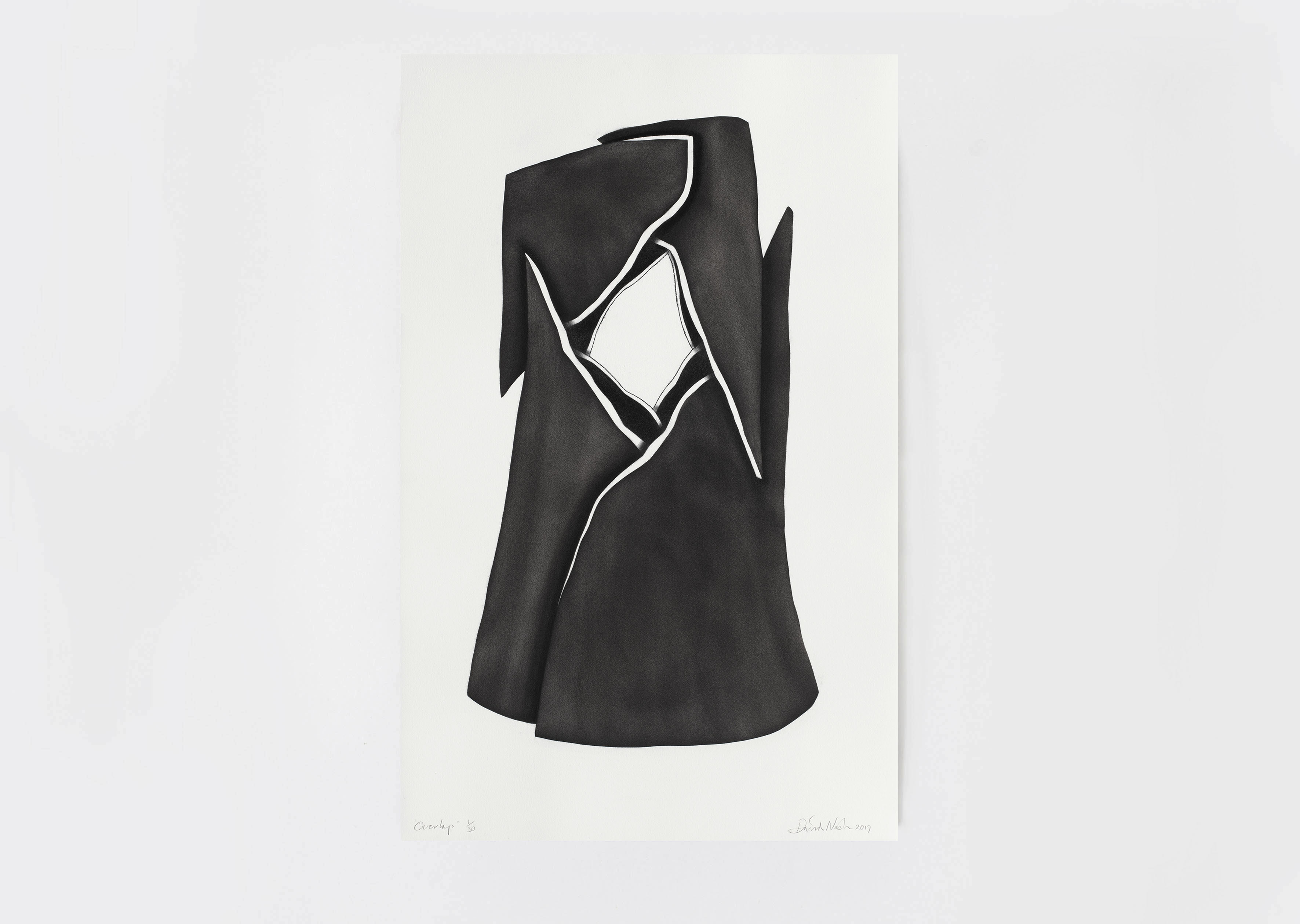
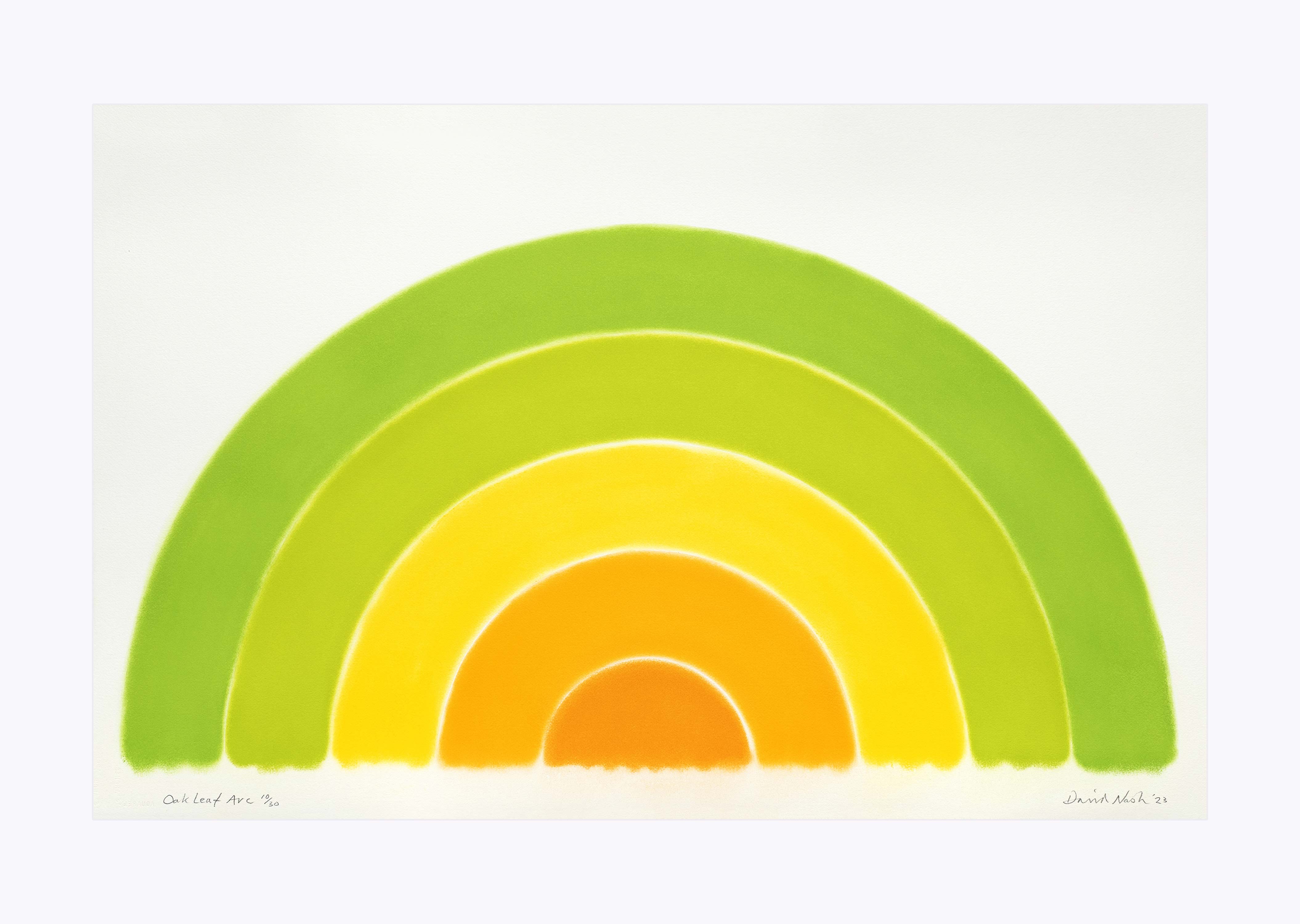
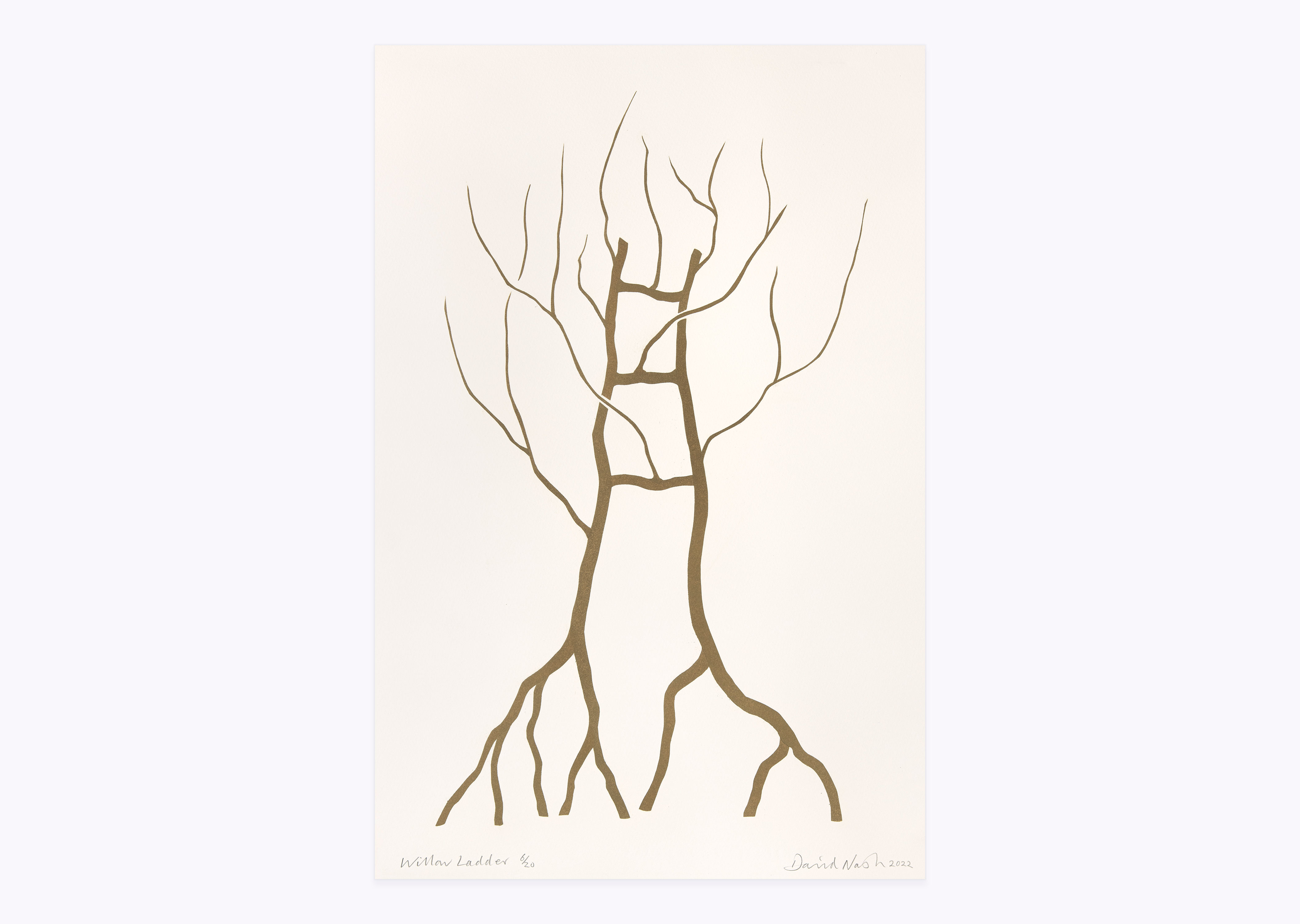
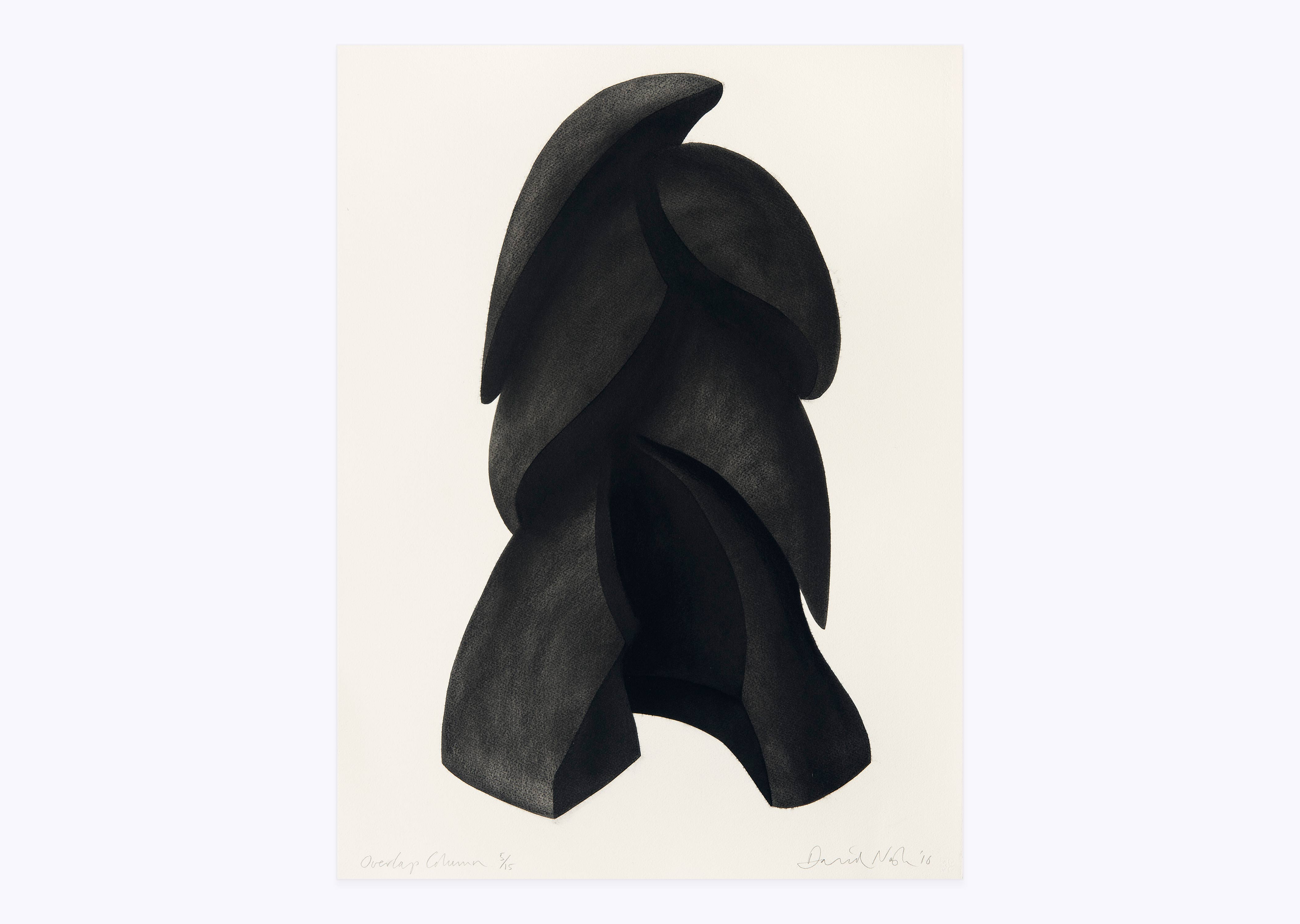
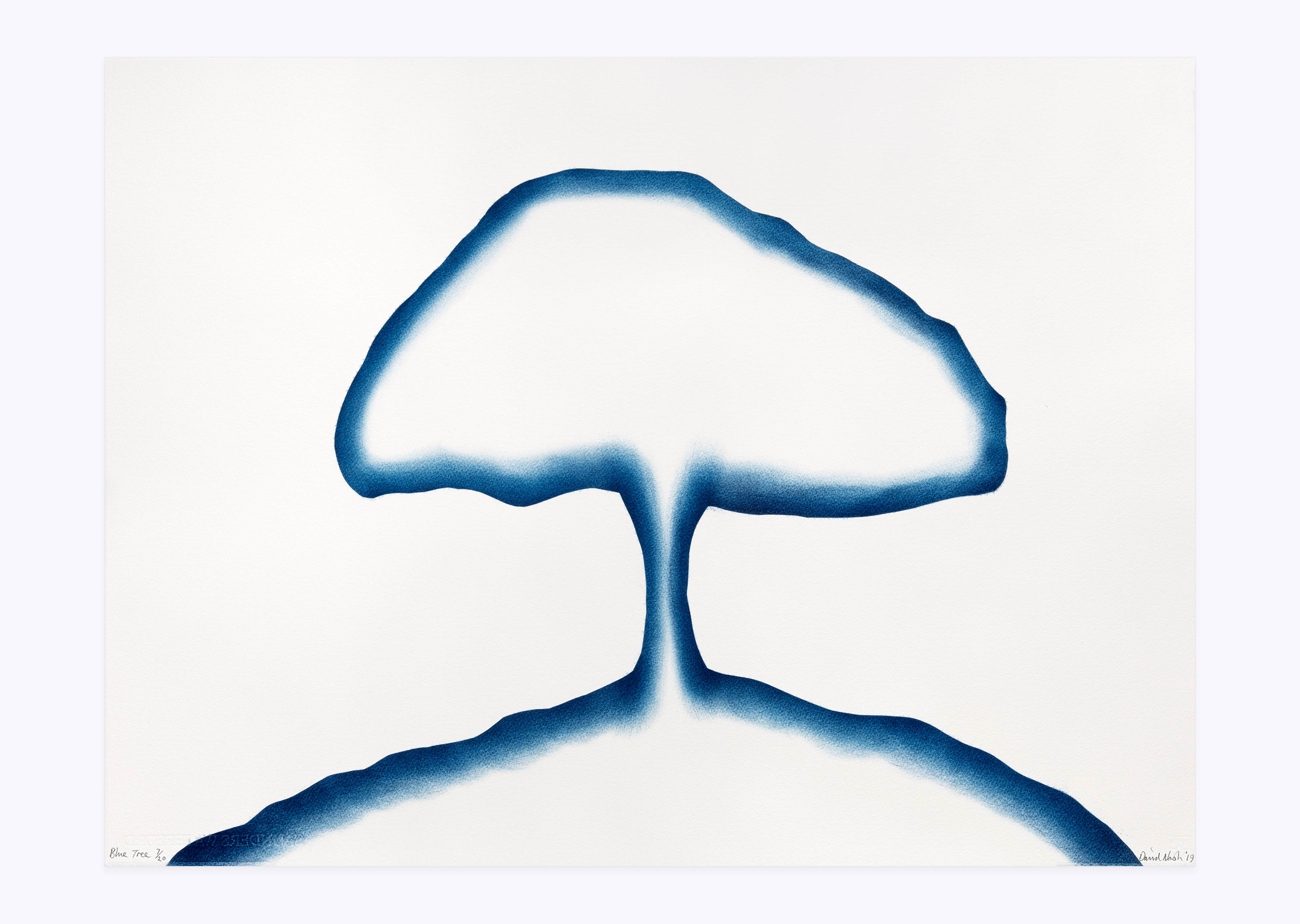
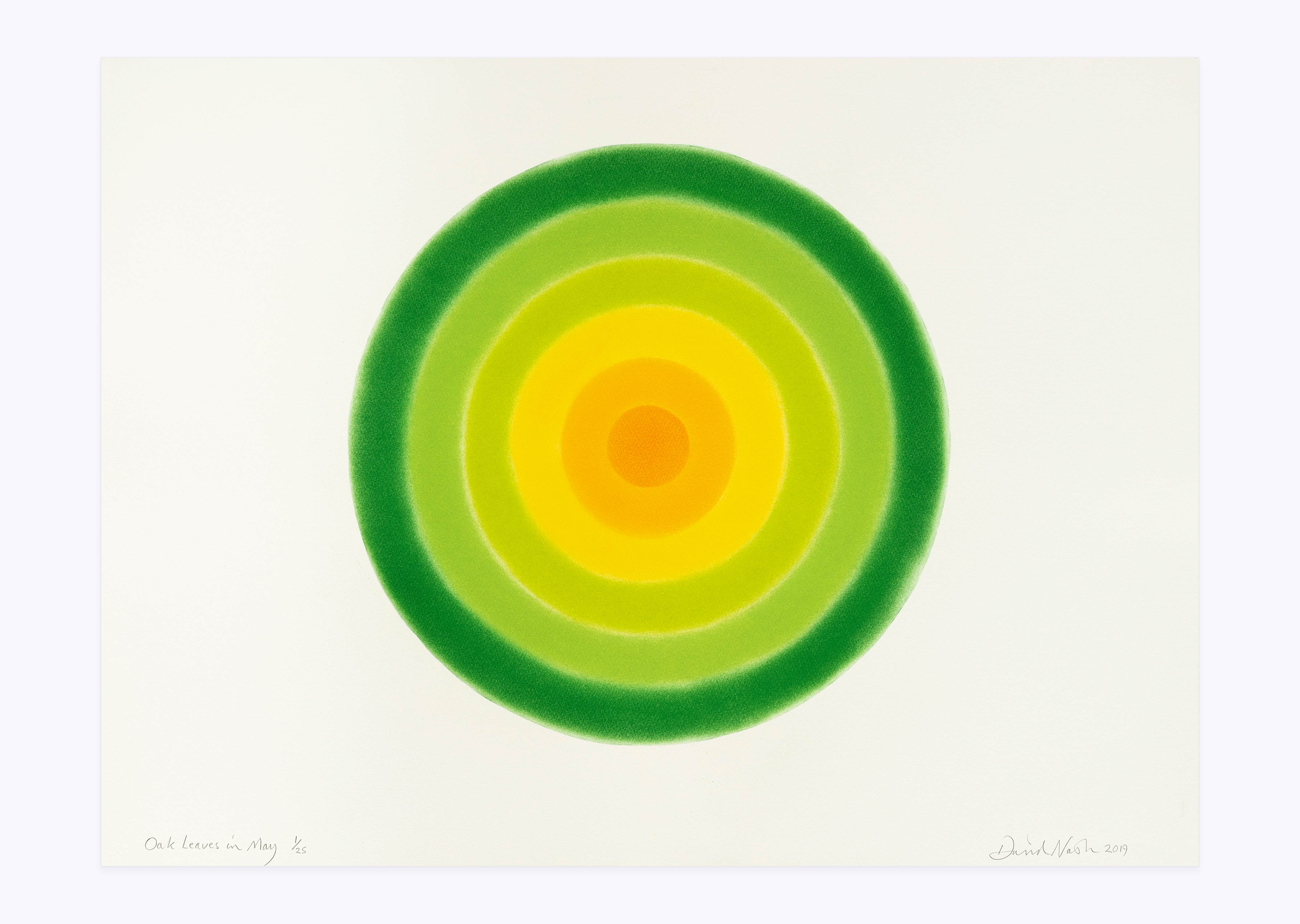
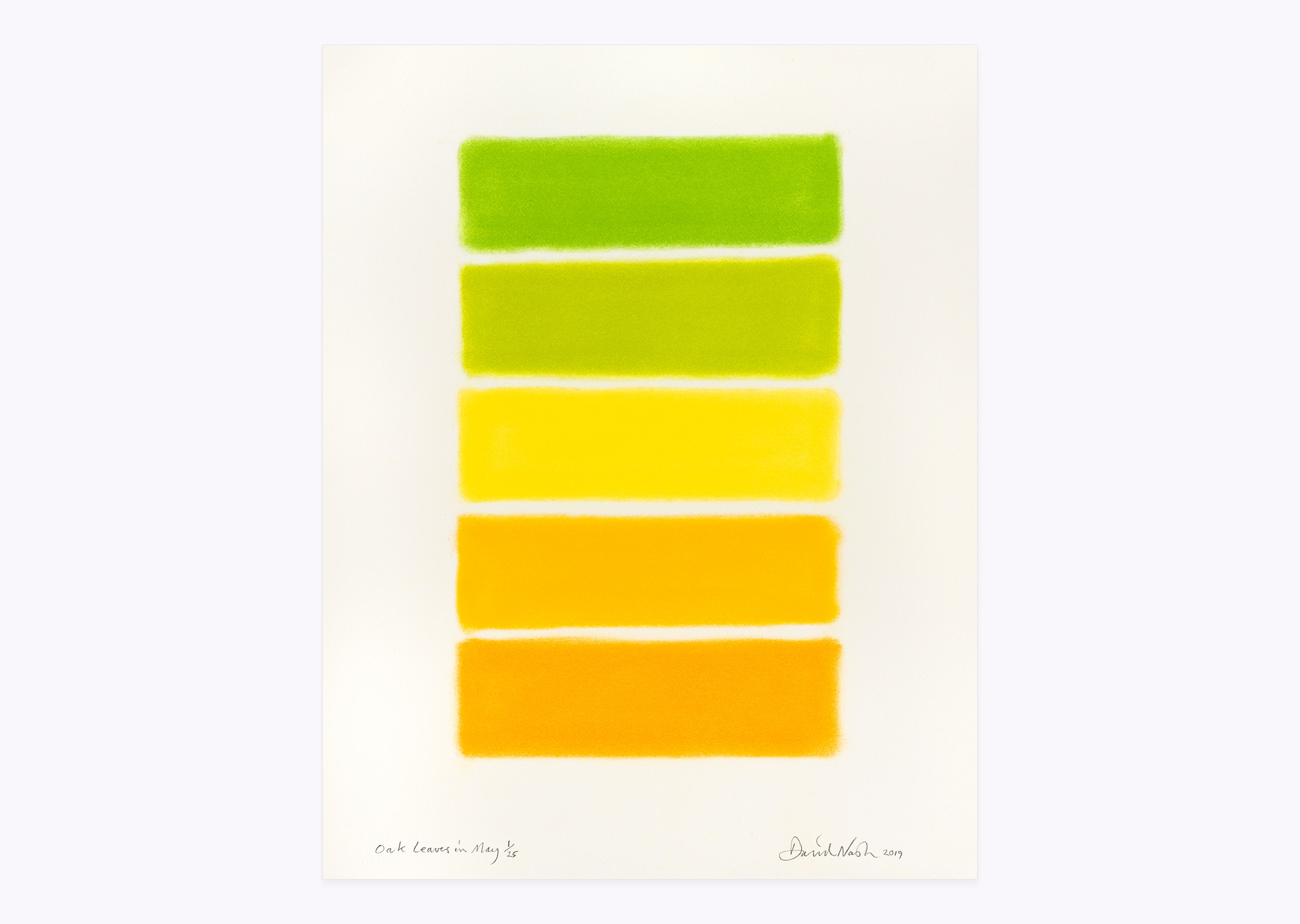
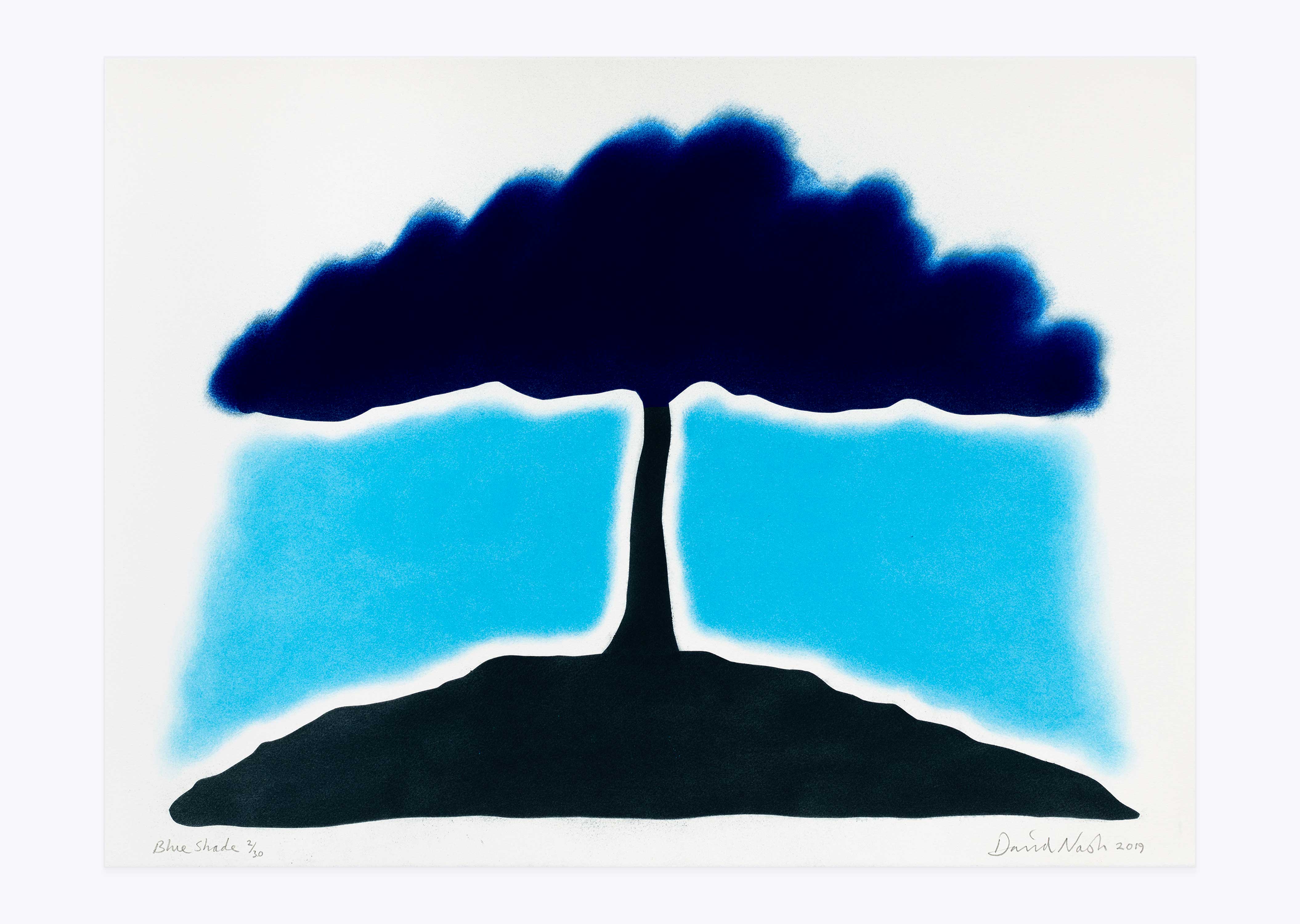
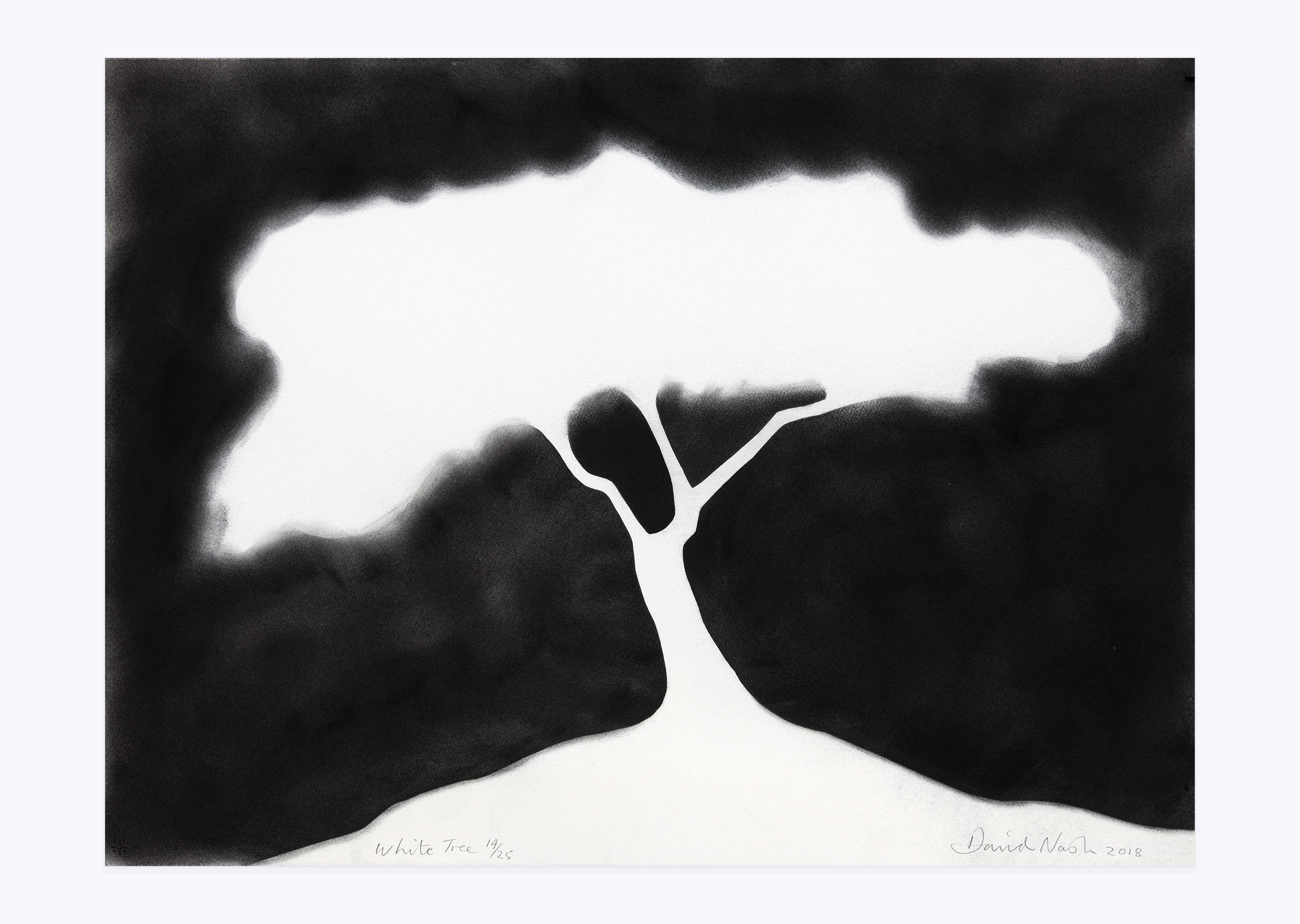
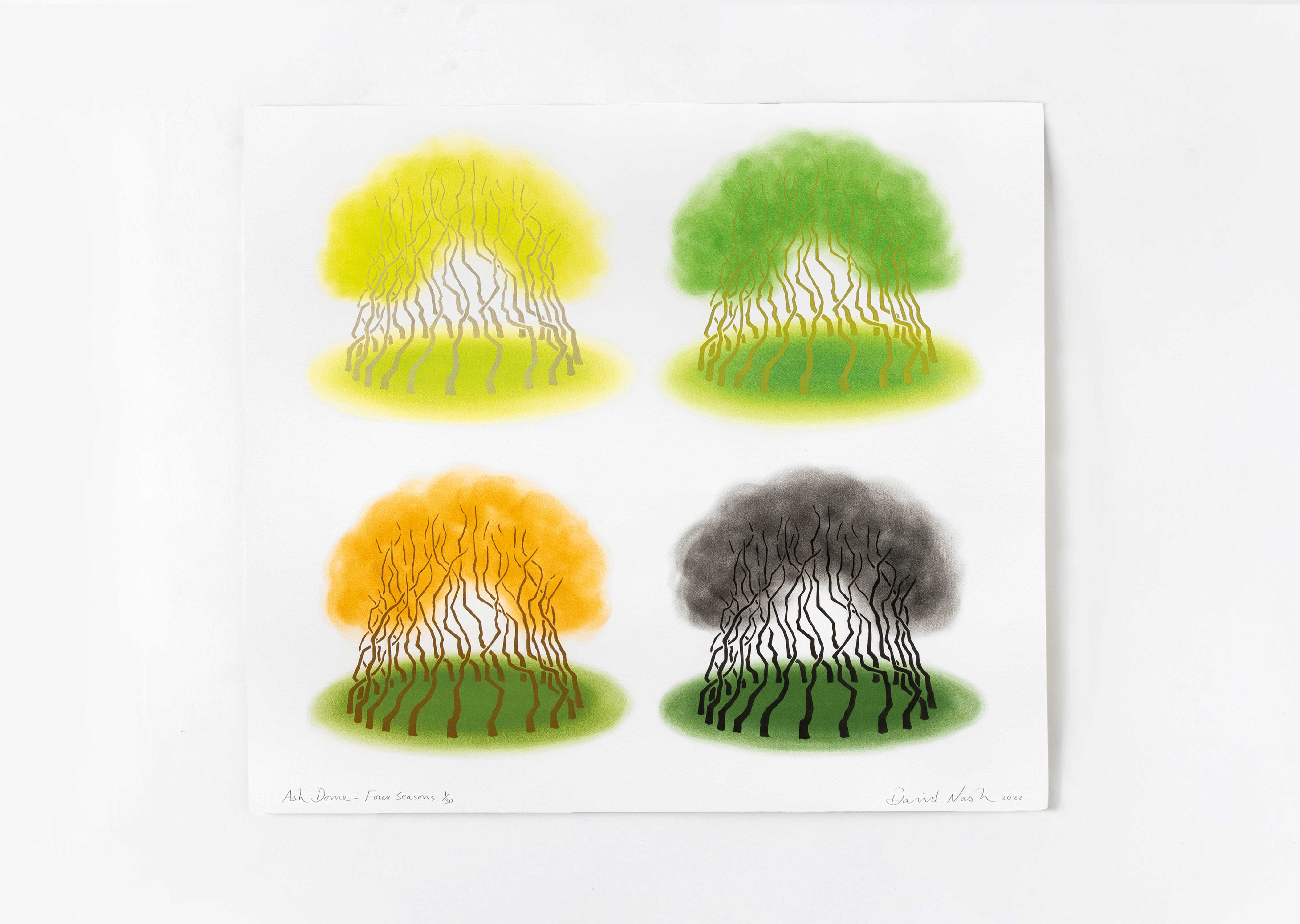
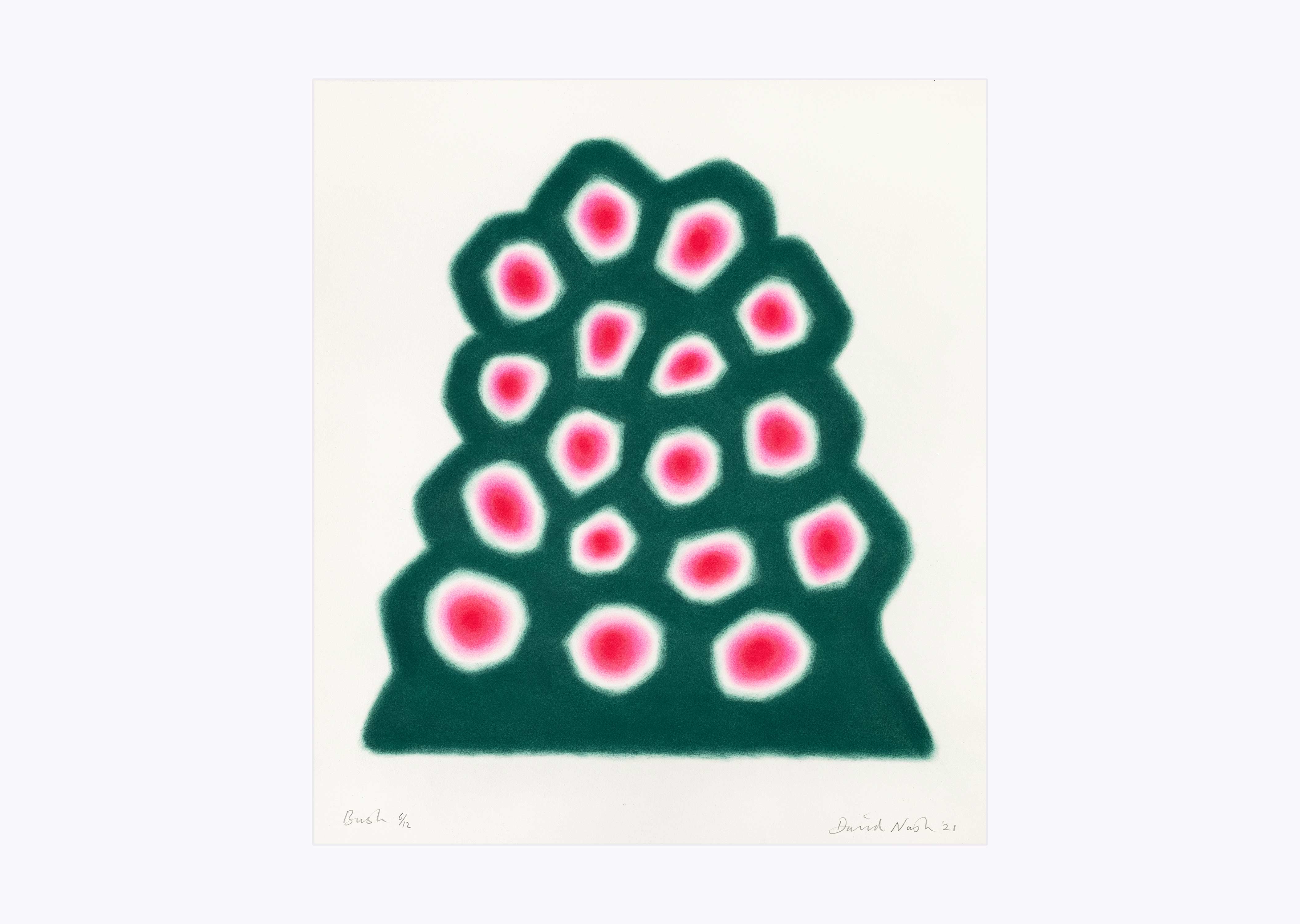
Nash’s formal vocabulary is composed of cubes, spheres and triangles, as well as arcs, domes and columns. “From the minimalist generation that preceded his own, he retained a taste for simple shapes, and a rejection of decoration in favour of a subtle use of proportions.” 2 For the artist, if shape has self-expression, it must be at one with material, space and movement. These shapes can be found not only in his sculpture but also in his work on paper: the square structures the material, the triangle defines space, and the circle provides movement. Each of the geometric shapes is associated with a colour: a red square, a yellow triangle, a blue circle. A skilled draughtsman working with pencils, chalk and stencils, Nash uses pastels and coloured charcoals to dialogue with wood, raw or burned, and with bronze. Some of his drawings are presented in frames made by him from burned wood. Nash’s “living works” also reveal a desire to insert his sculpture into nature. The most famous of these is “Ash Dome”, made in the mid-1970s.
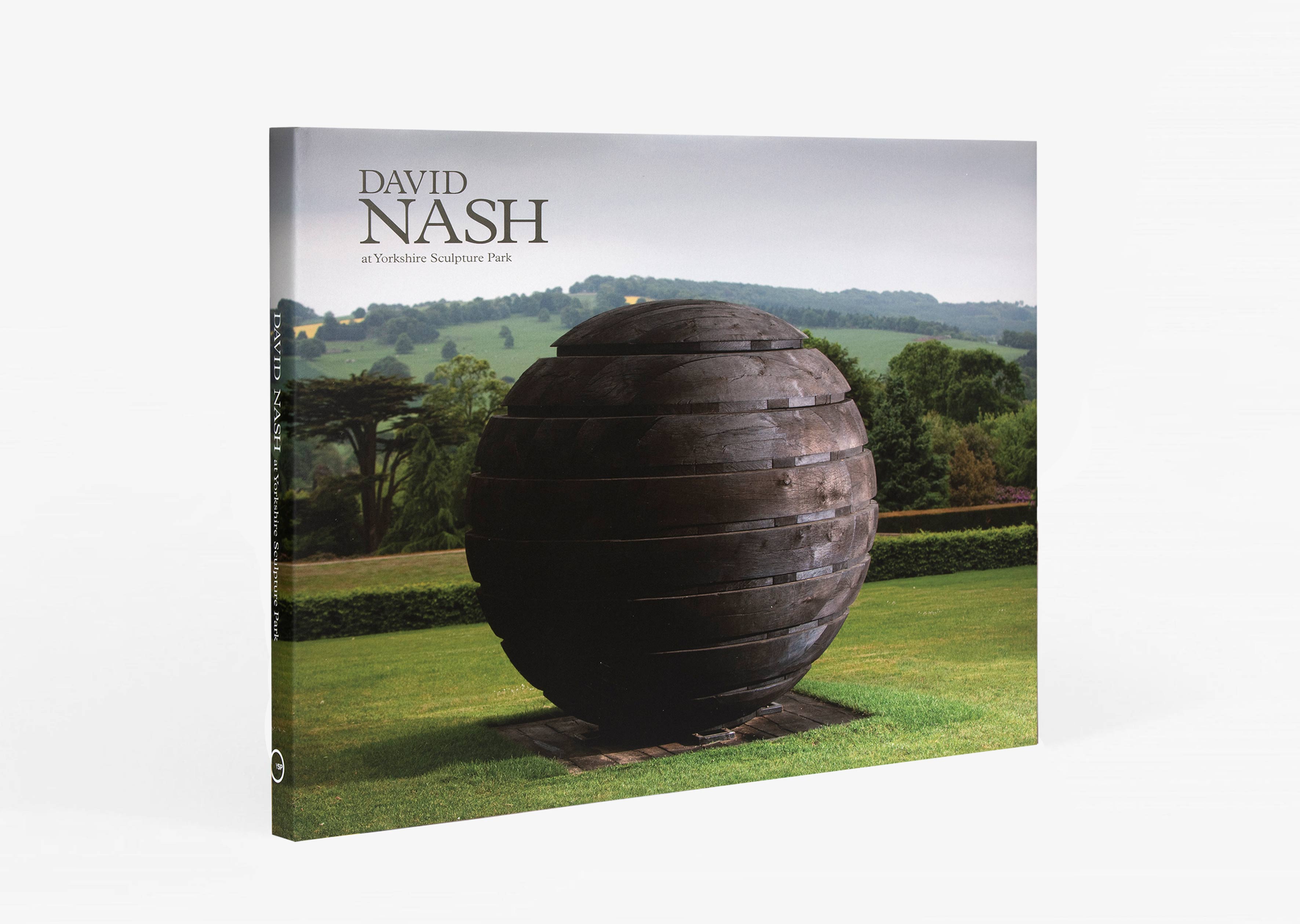
David Nash has been a member of the Royal Academy since 1999. His work, which is widely represented in the leading museums of America, Australia and Japan, has featured in retrospectives at Yorkshire Sculpture Park (2010), Kew Gardens (2012), the Museum of Cardiff (2019) and the Fondation Fernet-Branca (2018). He has produced works in situ in sculpture parks, for example in the Domaine de Chaumont-sur-Loire (“Thirteen Reds” and “Tumble Block”, 2013).





.jpg)